

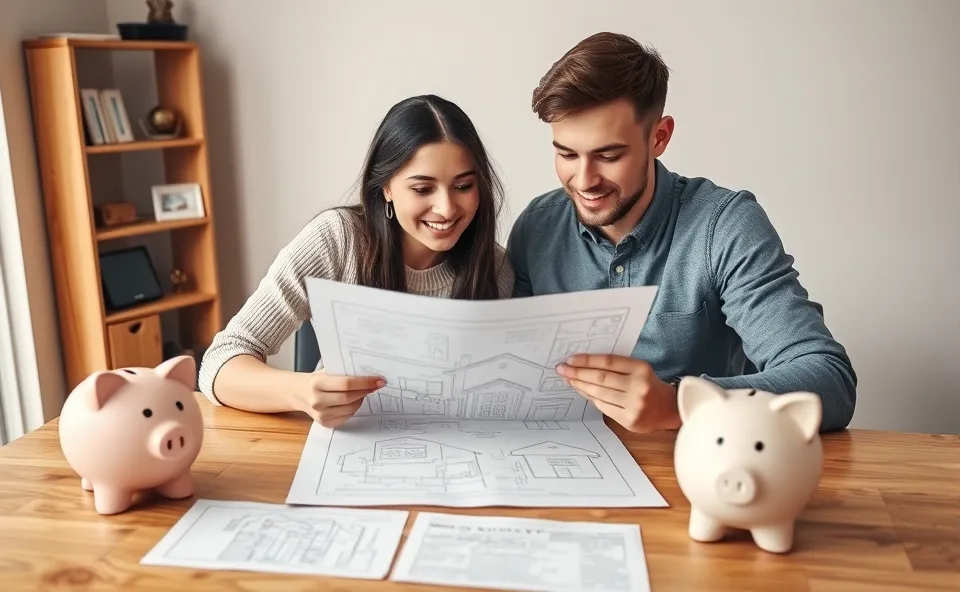
The First Big Step Toward Your Front Door
Buying a home is one of the most exciting milestones you can hit, but the process often feels like learning a new language. At the center of this conversation is the down payment. Simply put, a down payment is the initial cash you pay upfront when you purchase a house. It represents your direct investment in the property, while the rest of the cost is covered by your home loan.
Think of it as your skin in the game. When you hand over that initial chunk of money, you are showing the bank that you are committed to the property. This upfront payment reduces the total amount you need to borrow, which directly influences how much you pay back over time. It is the bridge between dreaming about a home and actually holding the keys in your hand.
Why Everyone Is Talking About Home Buying Costs Right Now
If you have noticed more people discussing a down payment lately, there is a good reason for it. The housing market has shifted significantly over the last few years. With home prices remaining high and interest rates moving in ways that change monthly budgets, buyers are feeling more pressure to be strategic with their savings.
People are searching for clarity because the old rule of thumb—that you absolutely need 20 percent down—is no longer the only way to get a mortgage. In a competitive market, potential homeowners are looking for ways to enter the game sooner rather than waiting decades to save a massive pile of cash. They are weighing the trade-offs between saving longer and paying more in monthly interest, and that search for the perfect balance is driving a massive wave of interest in how these finances actually work.
The History Behind Your Home Investment
It is helpful to understand why banks care so much about this payment. Historically, lenders have used a metric called the loan-to-value ratio to measure risk. This ratio compares the amount of the loan to the actual value of the home. If you put down a large amount of money, the bank feels safer because you have more equity, which is the portion of the home you truly own outright. If you stop making payments, the bank knows they can still recover their costs because you have already invested so much of your own money.
For a long time, the standard was set at 20 percent. This was the magic number that made banks comfortable and allowed buyers to avoid extra fees. However, as home prices rose and the economy evolved, many programs emerged to help people buy homes with much smaller contributions. Today, the landscape is much more flexible, allowing people to enter the market with as little as 3 percent or 3.5 percent down, provided they have a solid credit score and a steady financial profile.
How Your Upfront Payment Changes Everything
Your down payment does more than just lower your principal balance. It acts as a lever for your entire financial experience as a homeowner. The most immediate impact is on your mortgage rates. Generally, the more you pay upfront, the lower the risk you pose to the lender. This can lead to more favorable interest rates, which can save you a significant amount of money over the 15 or 30 years of your loan.
Another massive factor is private mortgage insurance, often called PMI. If you put down less than 20 percent, lenders usually require you to pay this insurance to protect themselves if you ever default on the loan. While PMI is an extra monthly cost, many buyers choose to pay it temporarily so they can buy a home sooner rather than waiting years to save for the full 20 percent. You also need to keep in mind that the down payment is separate from closing costs, which are the fees paid at the end of the transaction to cover taxes, title insurance, and other administrative tasks. Having cash set aside for both is essential for a smooth experience.
Looking Ahead at Your Path to Ownership
Moving forward, we expect to see more creative ways for buyers to bridge the gap. We are already seeing an increase in down payment assistance programs, which are designed to help first-time buyers overcome the hurdle of initial savings. These programs can come in the form of grants or low-interest loans that make that initial payment much easier to handle.
Technology is also changing how we save. With new budgeting tools and automated high-yield accounts, tracking your progress toward your home goals is easier than ever. While we cannot predict the exact movement of the market, the trend is clearly moving toward more accessible paths to homeownership. The key for the future buyer is preparation. By focusing on your credit score today and looking into assistance programs early, you put yourself in a much stronger position to navigate whatever the market looks like when you are ready to make your move.
Frequently Asked Questions About Home Financing
How much of a down payment is typically required for a home?
While many people believe 20 percent is the standard, many buyers today put down between 3 and 10 percent. The amount depends on your loan type and your lender. It is best to look at your budget to see what feels comfortable while keeping enough cash in your escrow account for other closing costs.
Does a higher down payment always mean a better mortgage rate?
Often, yes. A larger payment lowers the loan-to-value ratio, which signals to the lender that you are a lower-risk borrower. This can sometimes result in more competitive interest rates, though your credit score and current market conditions play a massive role as well.
What is the difference between a down payment and closing costs?
Your down payment goes toward the purchase price of the home and builds your equity. Closing costs are the separate fees you pay at the end of the process for things like appraisals, title searches, and legal fees. You should plan to save for both when preparing to buy.
Can I get help if I do not have enough cash saved for a down payment?
Yes, there are many down payment assistance programs available. These are often offered through state or local housing agencies and can provide grants or loans to help you cover that initial cost. Always check your local housing authority websites for options that might apply to you.
How does my credit score affect the down payment I need?
Your credit score tells the bank how reliably you pay back debts. If you have a higher score, you might qualify for loans that require a smaller down payment. If your score is lower, some lenders might ask for a larger payment to offset the perceived risk. Keeping your credit healthy is one of the best ways to prepare for home buying.











