

A Simple Way to Get Your Money Right: The 50/30/20 Rule
Ever feel like your money just disappears? You get paid, you pay bills, and then suddenly you’re wondering where it all went. It’s a common feeling, and honestly, a lot of people struggle with personal budgeting. But what if I told you there’s a straightforward framework that can help you get a clearer picture of your finances and work towards your financial goals? It’s called the 50/30/20 rule, and it’s pretty darn effective for money management.
Why Everyone’s Talking About the 50/30/20 Rule Now
You might be hearing more about the 50/30/20 rule lately because, in today’s economic climate, people are really focused on financial planning and getting their money to work for them. With rising costs and a general desire for more financial stability, individuals are actively seeking simple yet powerful tools to take control of their personal finances. This rule offers a clear path to understand income allocation, prioritize savings goals, and build a solid foundation for the future, which is exactly what many are looking for right now.
Where Did This Smart Money Idea Come From?
The 50/30/20 rule isn’t some brand new invention, but its popularity has grown as a practical approach to personal budgeting. The core idea is to divide your after-tax income into three main categories, making it easy to see where your money is going and ensuring you’re meeting your financial obligations while also saving for the future. It’s built on the principle that a balanced approach to spending, saving, and meeting necessities leads to better financial health. Think of it as a flexible guide rather than a rigid set of commands, designed to help you build sustainable financial habits.
How the 50/30/20 Rule Works in Real Life
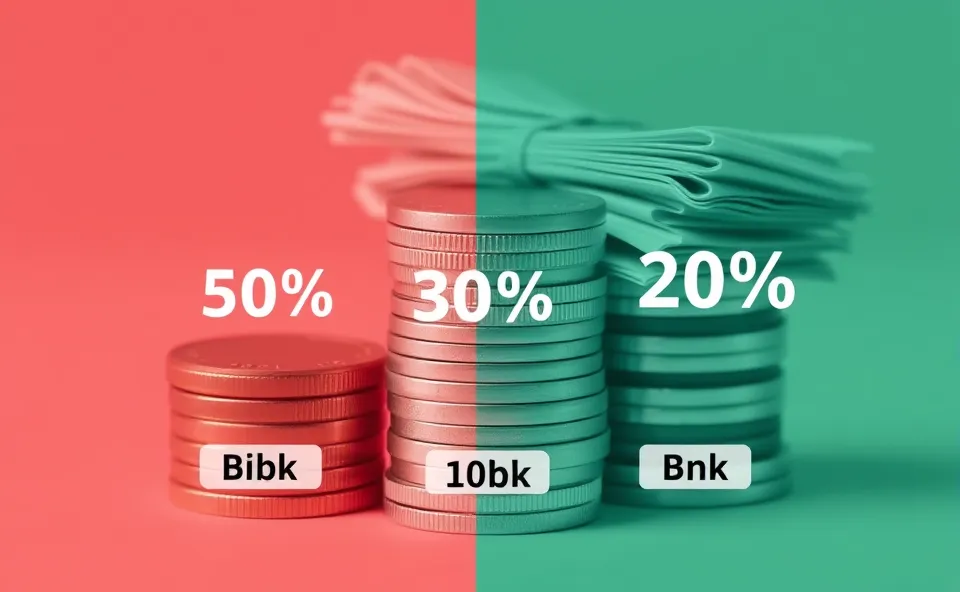
So, let’s break down this popular personal budgeting strategy. The 50/30/20 rule suggests you allocate your income like this:
- 50% for Needs: This is the biggest chunk, and it’s for the essentials. Things you absolutely cannot live without. Think of your rent or mortgage payments, utility bills like electricity and water, groceries, essential transportation costs to get to work, and minimum debt repayments. These are the non-negotiables in your monthly spending.
- 30% for Wants: This is the fun part, and it’s for everything that makes life enjoyable but isn’t strictly necessary. This category includes dining out, entertainment, hobbies, new clothes, vacations, streaming services, and gym memberships. It’s about enjoying your life and treating yourself, but within a defined budget.
- 20% for Savings & Debt Repayment: This is the crucial portion for your future. This 20% is dedicated to building your financial security. It includes saving for an emergency fund to cover unexpected expenses, investing for long-term goals like retirement, and making extra payments on debt beyond the minimums. The faster you can pay down high-interest debt, the more money you’ll save in the long run.
The beauty of the 50/30/20 rule lies in its simplicity. Once you know your after-tax income, you can quickly calculate how much you should be aiming to spend in each category. For example, if you bring home $4,000 a month after taxes, your targets would be $2,000 for needs, $1,200 for wants, and $800 for savings and debt repayment.
The Amazing Benefits of Following This Money Management Strategy
Adopting the 50/30/20 rule can bring some significant improvements to your financial life. It’s a powerful tool for gaining control and fostering financial stability.
- Clarity and Awareness: It forces you to look at your spending habits and understand exactly where your money is going. This awareness is the first step to making positive changes.
- Goal Achievement: By consistently allocating 20% to savings and debt repayment, you’re actively working towards your financial goals. Whether it’s building an emergency fund, saving for a down payment, or becoming debt free, this rule helps you get there faster.
- Reduced Financial Stress: Knowing you have a plan in place and are making progress towards your savings goals can significantly reduce anxiety about money.
- Balanced Lifestyle: It’s not about deprivation. The 30% for wants ensures you can still enjoy life, preventing burnout and making the budget sustainable.
- Foundation for Financial Stability: Regularly saving and investing builds a strong financial cushion, making you more resilient to life’s uncertainties.
What Happens Next? Looking Ahead with the 50/30/20 Rule
The 50/30/20 rule is a fantastic starting point for anyone looking to improve their personal budgeting and financial planning. As you get more comfortable with this framework, you might find yourself naturally wanting to tweak the percentages. Perhaps you want to accelerate debt repayment, so you might shift a bit more from ‘wants’ to the ‘savings & debt’ category. Or maybe you’ve built a substantial emergency fund and are comfortable reducing that slightly to allocate more towards enjoyable experiences within your ‘wants’ category. The key is that this rule provides a flexible structure that adapts to your evolving financial situation and goals. It’s a stepping stone to mastering your money management and achieving long-term financial well-being.
Frequently Asked Questions About the 50/30/20 Rule
Is the 50/30/20 rule the only way to do personal budgeting?
Not at all! The 50/30/20 rule is a popular guideline, but it’s just one approach to personal budgeting. Many people find it incredibly helpful because it’s simple and easy to understand. However, depending on your income, expenses, and financial goals, other methods might suit you better for effective money management.
What if my needs are more than 50% of my income?
This is a common challenge, especially for those in high cost of living areas or with significant debt obligations. If your needs consistently exceed 50%, the 50/30/20 rule highlights an area that needs attention. You might need to look for ways to reduce your essential expenses, increase your income, or focus intensely on paying down debt that’s driving up your ‘needs’ category before you can comfortably allocate to wants and savings goals.
How do I calculate my income for the 50/30/20 rule?
The most accurate way to apply the 50/30/20 rule is to use your net income, which is the amount of money you actually receive after all deductions from your paycheck, such as taxes, health insurance premiums, and retirement contributions. This is the money you have available to spend and save, making it the ideal figure for your income allocation.
Can the 50/30/20 rule help with debt repayment?
Absolutely! The 20% category is specifically designated for savings and debt repayment. By prioritizing this portion, you can actively work on paying down debt. You can use this 20% to make extra payments on high-interest loans or credit cards, which will help you become debt free faster and save money on interest over time, contributing significantly to your financial stability.
What are some examples of things that count as ‘wants’ in the 50/30/20 rule?
‘Wants’ are all about discretionary spending—things that enhance your lifestyle but aren’t essential for survival. Examples include dining out at restaurants, going to the movies, buying new gadgets, taking vacations, subscriptions to streaming services or magazines, and hobbies like golfing or art classes. It’s about enjoying life’s extras responsibly within your allocated 30% for wants.











