

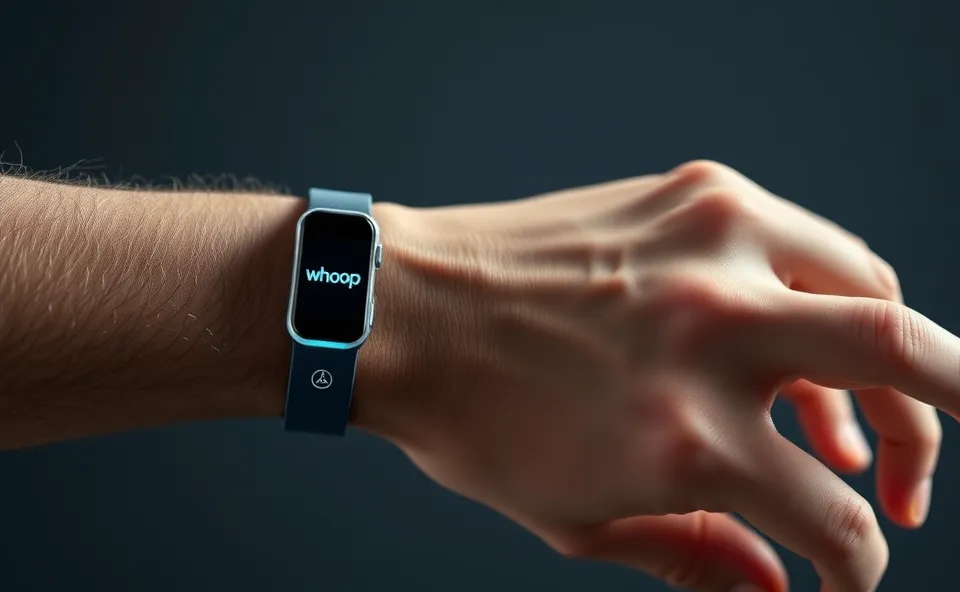
Whoop’s Big Shift Towards Everyday Health
For a long time, the name Whoop made us think of elite athletes, intense training, and peak performance. It was the secret weapon for those pushing their physical limits, helping them understand recovery, sleep, and strain on a deep level. But something significant has changed. Whoop is no longer just for professional sports stars. It is making a profound move into the world of general wellness, positioning itself as a comprehensive health wearable for everyone and actively pursuing a future as a recognized medical device.
This isn’t just about adding a few new features. It’s a strategic evolution, a clear signal that the company sees its sophisticated biometric tracking not just as a performance enhancer, but as a critical tool for preventative health and everyday well-being. This shift opens up exciting possibilities for how we all monitor our bodies and manage our health proactively, bringing powerful insights from the locker room directly to your wrist.
Why Everyone’s Talking About Personal Health Tracking Now
Why is this pivot from Whoop happening now, and why is it capturing so much attention? The world has become more aware of personal health than ever before. Recent global events highlighted the importance of understanding our bodies and taking proactive steps to stay healthy. People are no longer content with reactive medicine; they want to be empowered with information to make smarter choices every day.
This growing interest in personalized health is driving a surge in the popularity of wearable technology. Devices that can offer insights into our sleep patterns, heart rate variability, and daily activity are no longer niche gadgets; they are becoming essential tools for millions. The demand for sophisticated yet easy-to-use solutions in digital health is immense. Consumers are actively searching for ways to get a clearer picture of their physical and mental state, and Whoop is stepping up to fill that need with a device that promises depth beyond a typical fitness tracker. This move aligns perfectly with a society increasingly focused on wellness, longevity, and taking control of one’s own health journey.
From Pro Locker Rooms to Your Wrist: Whoop’s Journey
To really grasp where Whoop is headed, it helps to look back at where it began. The story starts with Will Ahmed, Whoop’s founder, who saw a gap in how athletes understood their bodies. Traditional methods often relied on subjective feelings, but Ahmed envisioned a way to use data to objectively measure recovery and performance. He started Whoop with the goal of providing high-resolution data on the human body, initially targeting elite athletes who needed every edge they could get.
Early versions of the Whoop strap became indispensable for professional sports teams and individual athletes across various disciplines. It tracked crucial metrics like heart rate variability, resting heart rate, and sleep cycles, providing a daily “recovery score.” This score told athletes how ready their body was for intense training, helping them avoid overtraining and optimize their performance. It was more than just a step counter; it was a sophisticated physiological monitor. As the technology matured and its accuracy improved, it became clear that the insights gained from tracking recovery, sleep, and strain were not just valuable for Olympians or pros. Everyday individuals also benefited from understanding how their lifestyle choices affected their body’s ability to recover and perform, setting the stage for Whoop to become a leading health wearable for a much wider audience.
What This Means for Your Health and Wearable Technology
Whoop’s expansion into mainstream health and its medical ambitions carry significant implications for users, the technology market, and the broader concept of consumer health. For individuals, this means access to increasingly powerful and validated tools for self-monitoring. Imagine knowing with greater certainty how your sleep quality affects your immune system, or how daily stress impacts your cardiovascular health.
Here are some key impacts:
- Empowered Users: You gain deeper, more actionable insights into your body’s specific needs, moving beyond generic health advice to truly personalized health strategies. This empowers you to make informed decisions about exercise, nutrition, sleep, and stress management.
- Shift in Wearable Technology: The market for wearable technology is evolving rapidly. Devices like Whoop are blurring the lines between pure fitness tracking and serious health monitoring. This pushes innovation, encouraging other companies to develop more sophisticated, accurate, and medically relevant features.
- Enhanced Preventative Medicine: By providing continuous, detailed physiological data, Whoop supports a shift towards preventative medicine. Instead of waiting for symptoms to appear, users can potentially identify trends or early warning signs, taking action before minor issues become major problems.
- Bridging Consumer and Clinical: As Whoop seeks FDA clearance for specific use cases, it starts to bridge the gap between consumer-grade wellness devices and clinical-grade medical tools. This could lead to a future where personal health data is more readily accepted and even integrated into traditional healthcare settings, supporting better doctor-patient conversations.
This evolution elevates the role of a health wearable from a simple gadget to a crucial component of modern self-care and disease prevention, truly revolutionizing digital health on a personal level.
Looking Ahead: Whoop’s Path to Becoming a Medical Device
The most intriguing aspect of Whoop‘s current trajectory is its explicit goal of becoming a recognized medical device. This isn’t a small undertaking. It involves rigorous testing, scientific validation, and the lengthy process of seeking approval from regulatory bodies like the FDA in the United States. Achieving FDA clearance for specific health metrics or diagnostic capabilities would be a game-changer.
Imagine a future where your Whoop not only tells you about your recovery but also helps detect early signs of illness, monitors chronic conditions, or even assists in managing specific health issues under medical supervision. This kind of validation would transform the perception of wearable technology from a wellness accessory into a legitimate tool for healthcare. It would enable medical professionals to trust the data and potentially integrate it into patient care plans, moving towards truly integrated digital health solutions.
This path suggests a future where consumer medicine is driven by high-quality, continuous data, allowing for highly personalized health interventions. While it will take time and significant investment, Whoop’s commitment to this medical future signals a powerful direction for the entire health tech industry, promising more accurate, reliable, and actionable insights for everyone’s health.
Quick Answers About Whoop and Your Health
What is Whoop aiming for in the medical field?
Whoop is actively working towards becoming a certified medical device by seeking approval from regulatory bodies like the FDA. This would allow its technology to be used for more specific health monitoring and potentially diagnostic purposes, going beyond general wellness to play a role in clinical care.
How does Whoop go beyond a typical fitness tracker?
Unlike many basic fitness tracker devices, Whoop focuses deeply on physiological metrics like heart rate variability, resting heart rate, and comprehensive sleep stage tracking. It translates this data into actionable insights about recovery, strain, and sleep quality, offering a more holistic and personalized health view rather than just counting steps or calories.
Is Whoop suitable for general consumer health?
Absolutely. While it started with elite athletes, Whoop has evolved to be a powerful health wearable for general consumer health. It provides valuable data for anyone looking to optimize their sleep, manage stress, understand their body’s recovery needs, and practice preventative medicine in their daily life.
How does wearable technology like Whoop contribute to digital health?
Wearable technology like Whoop is at the forefront of digital health by providing continuous, real-time physiological data. This data empowers individuals with insights into their health, supports personalized wellness strategies, and has the potential to integrate with healthcare systems for better monitoring and preventative care.
What’s the role of Will Ahmed in Whoop’s vision for personalized health?
Will Ahmed, as the founder of Whoop, has been the driving force behind its vision. From its inception, he aimed to provide objective data for human performance. This vision has naturally evolved into a broader commitment to personalized health, using advanced biometric tracking to empower individuals with deep understanding of their unique physiology and aid in their overall well-being.











