

The Simple Truth About a Rainy Day Fund
Imagine waking up to a phone call that your car needs a massive repair or your refrigerator just stopped working. For many people, these moments create a wave of panic. The stress does not just come from the broken appliance, but from the fear of how to pay for it. This is where an emergency fund comes into play.
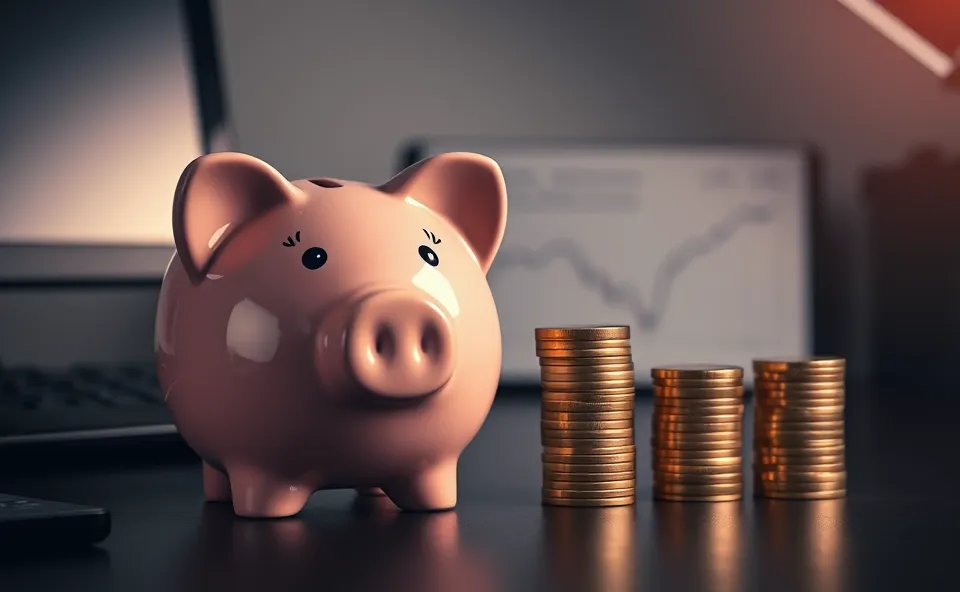
In the simplest terms, an emergency fund is a stash of money set aside specifically for unplanned expenses. It is not money for a summer vacation, a new gadget, or a fancy dinner. Instead, it acts as a financial shock absorber. When life throws a curveball, this money catches it so that your entire life does not spin out of control.
To make this work, you need liquid assets. This means your money must be in a place where you can grab it quickly. You cannot put your emergency money into a house or a long term investment that takes weeks to sell. It needs to be accessible, safe, and separate from the money you use for your daily coffee or monthly rent.
Why Everyone Is Talking About Financial Security Right Now
You might notice that more people are discussing personal finance than ever before. This is not a coincidence. The way we work and live has changed rapidly. A few decades ago, many people had stable jobs with pensions that provided a safety net. Today, the economy is much more fluid.
With the rise of the gig economy, freelance work, and shifting corporate landscapes, the idea of a guaranteed paycheck for thirty years has vanished. People are realizing that their income can fluctuate. When you add inflation and the rising cost of living to the mix, the margin for error becomes very slim.
Social media has also played a role. More people are sharing honest stories about their struggles with debt and the relief that comes from having a cushion. There is a growing movement toward financial stability because people are tired of living on the edge. They want to know that one bad week will not lead to a total financial collapse.
How We Got Into the Cycle of Financial Stress
To understand why building a fund is so vital, we have to look at how most people handle money. For a long time, the cultural norm was to spend what you earn and use credit cards to fill the gaps. This approach to debt management often creates a trap. When a real emergency hits, people lean on high interest credit cards, which only makes the problem worse over time.
Many of us were never taught the basics of budgeting in school. We were told to work hard and save, but we were not told how to save or where to put the money. This lack of context led to a generation of people living paycheck to paycheck, even if they earned a decent salary. The result is a constant state of low level anxiety.
The shift we are seeing now is a move toward intentionality. People are rediscovering that budgeting tips are not about restricting their lives, but about giving them freedom. By understanding where every dollar goes, they can carve out a small piece of their income to protect their future self.
Changing Your Life With a Financial Safety Net
Having an emergency fund does more than just pay for a tow truck. It changes your mental state. When you have a cushion, you stop operating from a place of fear. You can make better career decisions because you are not terrified of losing your job tomorrow. You can sleep better knowing that a medical bill will not ruin your credit score.
If you are starting from zero, the process might feel overwhelming, but it is all about small wins. Here are some practical steps to get moving:
- Start with a small goal. Do not worry about six months of expenses yet. Aim for your first 500 or 1,000 dollars. This creates immediate momentum.
- Automate your savings. Set up your bank account to move a small amount of money into a separate savings account every time you get paid. If you never see the money in your checking account, you will not miss it.
- Audit your spending. Look for small leaks in your budget. A few unused subscriptions or fewer takeout meals a month can add up to hundreds of dollars a year.
- Use windfalls. If you get a tax refund, a bonus at work, or a cash gift, put a large portion of it directly into your fund.
As for how much you should save, the general rule of thumb is to aim for three to six months of essential living expenses. This includes rent, utilities, food, and insurance. If your job is very stable, three months might be enough. If you are a freelancer or work in a volatile industry, aiming for six months or more provides better financial security.
The best place to keep this money is in a high yield savings account. This allows your money to grow slightly through interest while remaining completely liquid. It keeps the money out of sight so you are not tempted to spend it, but it remains available within a few clicks or a quick trip to the bank.
The Road Ahead for Your Money
Once you have built your initial fund, your relationship with money will likely shift. You will stop viewing savings as a chore and start seeing it as a tool for power. The next logical step is not to stop saving, but to evolve how you save.
As your financial stability grows, you can begin to diversify. Once the emergency fund is full, you can start looking at long term investments or paying down high interest debt more aggressively. The fund remains the foundation. You do not touch it for investments, and you do not use it for luxury purchases.
In the future, you will need to adjust your fund as your life changes. If you buy a larger home, your monthly expenses go up, which means your emergency fund needs to grow too. If you start a family, your need for a safety net becomes even more critical. The habit of maintaining this fund is a lifelong practice of self care.
The goal is to move from a state of survival to a state of thriving. By prioritizing your fund today, you are essentially buying peace of mind for the rest of your life.
Common Questions About Emergency Savings
How is an emergency fund different from a regular savings account?
A regular savings account is often used for specific goals, like buying a car or going on a trip. An emergency fund is strictly for unexpected crises. While you might keep both in a savings account, they serve different purposes. One is for your dreams, and the other is for your survival.
What counts as a real emergency?
A real emergency is something that is urgent, necessary, and unexpected. Examples include job loss, urgent medical procedures, or a leaking roof. A sale on a new laptop or a friend’s wedding invitation are not emergencies. If it was on your calendar or you knew it was coming, it should be a planned expense, not an emergency draw.
Should I pay off debt or build my emergency fund first?
This is a common struggle in personal finance. While paying off debt is important, having a small starter fund is usually the first priority. If you put every cent toward debt and then have a car breakdown, you will likely just go deeper into debt to fix the car. Build a small cushion first, then attack your debt with everything you have.
Where is the safest place to keep my liquid assets?
The safest and most effective place is a federally insured savings account. You want a balance between safety and accessibility. Avoid keeping large amounts of cash at home where it could be stolen or lost, and avoid investing this specific money in the stock market where the value could drop right when you need it most.
What do I do after I spend some of my emergency fund?
The moment the crisis is over, your primary financial goal should be to refill the fund. Treat this as a priority in your debt management and budgeting plan. Your safety net is only useful if it is intact, so focus on getting back to your target amount before returning to other spending or investing goals.











