

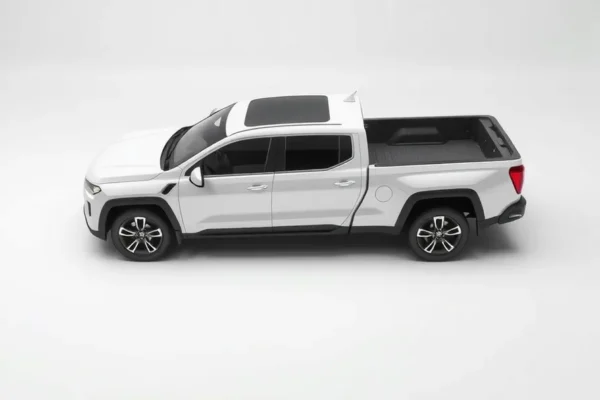
Why The Slate Electric Truck Is Changing The Game
For years, the electric pickup market has felt like a contest of who can build the most aggressive, angular, and intimidating vehicle. Between sharp edges and fighter-jet styling, many modern trucks feel more like props from a sci-fi movie than practical tools for your driveway. Enter the Slate electric truck. Its design philosophy takes a different approach, focusing on a minimalist design that prioritizes human comfort and approachability over sheer shock value.
This electric vehicle isn’t trying to scare the neighbors or scream for attention at the stoplight. Instead, it offers a clean, soft-edged look that fits naturally into a suburban garage or a job site. If you have been looking for an electric vehicle that feels like an evolution of the traditional truck rather than a total redesign of your lifestyle, the Slate might be the breath of fresh air you need.
Living With The Slate In The Real World
What does this design actually mean for your day-to-day routine? Because the Slate electric truck avoids the complex, jagged body panels found on many competitors, it feels more welcoming. It works like a familiar tool that happens to be powered by electricity. You are not just buying a battery on wheels; you are buying a vehicle that feels manageable to park, load, and drive in normal traffic.
Consider these scenarios for your daily life:
- The School Run and Grocery Haul: If you manage a busy household, you know the struggle of navigating tight parking lots. The approachable aesthetic and smart layout of the Slate make it feel less like a heavy-duty industrial machine and more like a capable family SUV that happens to have a bed for your weekend projects.
- The Weekend Home Project: If you frequent hardware stores or move gear for your hobbies, the accessibility is key. The design language is focused on low loading heights and intuitive storage, meaning you aren’t fighting the truck to get your equipment in or out.
- Commuting in Style: For those who commute in heavy traffic, the minimalist design extends to the cabin. It creates a calm, uncluttered workspace that reduces the sensory overload of driving a massive vehicle in busy streets.
Who Should Consider This Electric Truck
The Slate is best for the everyday consumer who wants to transition to electric without feeling like they are driving a concept car. It is ideal for families who need a utility vehicle but don’t want a “tank” that looks out of place at the grocery store. It is also a great choice for professionals who need a reliable work truck that presents a clean, approachable image to clients.
However, skip the Slate if you are specifically looking for a truck that makes a loud, aggressive statement. If your goal is to have the most “futuristic” or “tough” looking vehicle on the block, the minimalist aesthetic might feel too plain for your tastes. If you require specialized, heavy-duty towing capacity that exceeds the range limits of mid-size electric platforms, you may also want to look at more specialized alternatives.
How It Compares To Traditional Truck Designs
In the world of automotive design, the Slate is bucking the trend of “brutalist” EVs. While competitors like the Tesla Cybertruck lean into extreme geometric shapes and the Rivian R1T focuses on high-tech adventure aesthetics, the Slate sits in the middle. It offers a friendlier profile that feels closer to a modern, electrified version of your favorite mid-size truck.
Price-wise, it positions itself as a competitive option for the mid-range EV market. You aren’t paying the “early adopter tax” for obscure, complex body panels that are expensive to repair. The value proposition here is long-term ownership and ease of maintenance, rather than just having the latest bells and whistles that might frustrate you over time.
Getting Started And The Learning Curve
One of the biggest wins for the Slate is its intuitive nature. You don’t need a computer science degree to start driving it. The controls follow logical patterns, and the setup is almost plug-and-play. If you have driven a modern car in the last five years, you will find the interface familiar.
There is very little “learning curve” here. While some electric vehicles force you to navigate endless touchscreens to change basic climate settings, the Slate keeps physical interaction points where you actually need them. You can expect to feel comfortable behind the wheel within minutes of your first drive.
The Real World Pros
- Approachable Design: The clean lines and soft edges mean it fits into everyday life without looking like a science experiment.
- Ease of Use: The cabin layout prioritizes human-centric design, making it simple to find what you need without digging through menus.
- Practical Utility: It delivers on the promise of a truck with a functional bed and cabin, perfectly suited for the average DIYer or family.
- Reduced “EV Anxiety”: Because it feels so familiar to drive, the jump from gas to electric feels much less intimidating for first-time buyers.
The Real World Cons
- Range Limitations: Like many EVs in this class, heavy towing or highway driving at high speeds will drain the battery faster than expected, usually cutting advertised range by about 20-25 percent.
- Charging Infrastructure: Depending on where you live, you will still rely on a mix of home charging and public networks, which can still be inconsistent compared to finding a gas station.
- Less “Street Cred” For Enthusiasts: If you love the aggressive, boxy, or extreme looks of other electric trucks, this might feel a bit too safe or “vanilla” for your personal aesthetic.
Price And Overall Value
As of early 2024, the Slate electric truck enters the market at a price point that makes it a viable alternative to high-end gas trucks. While the upfront cost is higher than a base-model internal combustion engine truck, the long-term savings on fuel and maintenance are significant. There are no surprise monthly subscriptions for basic features, which adds to its value. It is designed to be a long-term keeper, not a disposable gadget.
Our Verdict
The Slate electric truck is a smart choice for the majority of people who want a utility vehicle that actually fits into their life. It skips the gimmicks and focuses on being a good, reliable, and friendly truck. If you prioritize usability and a clean aesthetic over aggressive styling and experimental features, this is a truck that will serve you well. It is not for everyone—hardcore off-roaders or design maximalists should keep looking—but for the everyday driver, it is a breath of fresh air.
Common Questions About The Slate Electric Truck
Is the Slate electric truck worth the price?
For most users, yes. It avoids the premium costs associated with complex, avant-garde design while offering the core performance needed for daily utility and comfort.
Do I need special equipment to charge it?
You can use standard public charging stations or install a Level 2 charger at home, which is highly recommended for the best experience.
How long does the battery last in cold weather?
Like all electric vehicles, you should expect a range drop of roughly 20-30 percent in extreme cold, as the battery works harder to heat the cabin and itself.
Is this truck difficult to learn to drive?
Not at all. It handles like a modern vehicle with a familiar layout, meaning you don’t need to spend hours reading manuals to get on the road.
Can I use this for heavy-duty work?
It is excellent for moderate hauling and DIY projects, but if you are towing at maximum capacity daily, you should check the official towing specs against your specific needs.
Product prices and availability vary by region. Verify current pricing before purchase.











