

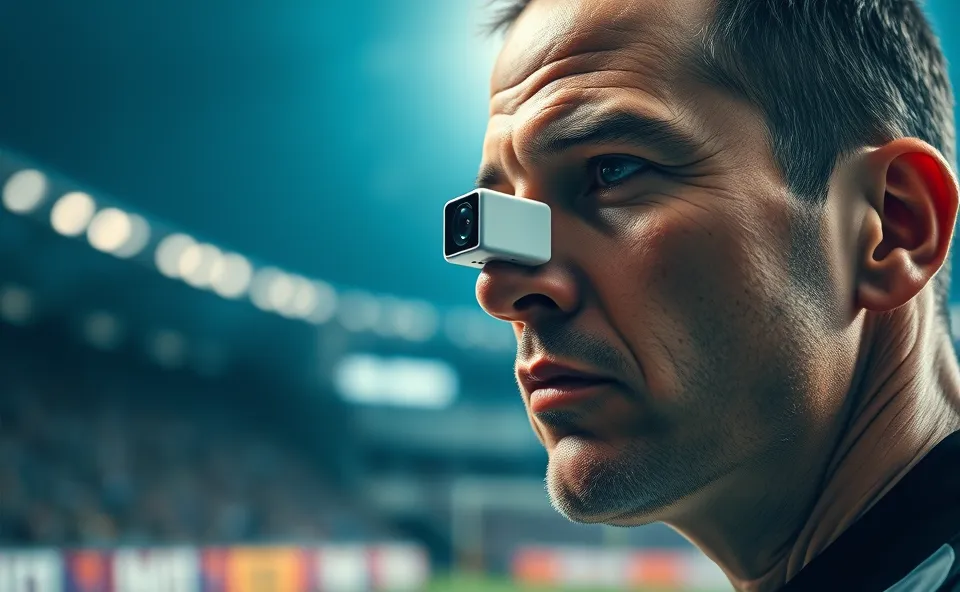
The Game Gets Personal: Referees Go Live on the Field
Imagine this: the roar of the crowd, the tension of a penalty kick, and you get to see it all through the referee’s eyes, live. That’s exactly what’s happening at the 2026 World Cup. They’re equipping referees with brand new body cameras, and it’s a game changer for how we watch football. These aren’t just any cameras; they’re designed to capture the action from a referee’s perspective, giving fans an unprecedented, up close and personal view of the biggest tournament in the world. It’s a massive leap in sports technology, bringing the intensity of the pitch directly into our living rooms.
Why the Buzz About Referee Cameras Now?
So, why is everyone talking about these referee cameras from the 2026 World Cup right now? It’s all about giving fans more. We’re always looking for ways to feel closer to the action, to understand the decisions being made, and to experience the sport in a more immersive way. These body cameras offer exactly that. They promise a raw, unfiltered look at crucial moments, from those tight offside calls to the heated discussions between players and officials. This innovation taps into our desire for authenticity and a deeper connection with the games we love, making the World Cup experience even more compelling.
A Look Back: The Evolution of Seeing the Game
To truly appreciate what these referee cameras bring to the 2026 World Cup, it helps to remember how far we’ve come. For decades, our view of a football match was limited to what the broadcast cameras captured. We relied on commentators and replays to understand what was happening. Then came VAR, video assistant referee technology, which added another layer of scrutiny and, let’s be honest, sometimes debate. VAR itself was a huge technological advancement, aiming to improve accuracy and fairness. But even with VAR, there’s always a gap between the official decision and what the fans at home or in the stadium actually see and feel in real time. These new body cameras are the next logical step, aiming to bridge that gap by providing a direct, unedited feed from the heart of the game, offering a dynamic pitch view that’s never been consistently available before.
The Big Picture: What These Cameras Mean for Everyone
The introduction of body cameras for referees at the World Cup isn’t just a cool gadget; it has real implications for a lot of people and things. For fans, it’s a revolution in the fan experience. Imagine seeing a disputed foul through the referee’s own eyes, moments after it happens. This live stream capability from the pitch can foster greater transparency and understanding of the referee’s decisions, potentially reducing some of the controversies that often surround big matches. It’s like having a backstage pass to the most intense sporting drama.
For the sport itself, it’s about embracing innovation. This sports technology moves beyond just enhancing broadcasts to fundamentally changing how we perceive the game. It could pave the way for more objective officiating, as the cameras provide an undeniable record of events.
Businesses involved in sports technology will see this as a major endorsement. The success of these referee cameras could lead to wider adoption in other leagues and sports, driving further development in wearable tech and broadcast innovations. It’s a clear signal that the industry is pushing boundaries to keep viewers engaged and informed. This also presents an interesting potential alternative or complement to VAR, offering immediate visual context that might simplify certain decisions or provide additional support for review processes. The impact is widespread, touching everything from fan engagement to the future of officiating.
What’s Next on the Horizon?
Looking ahead, the success of these referee cameras at the 2026 World Cup could spark even more exciting developments. We might see these cameras become standard equipment not just for referees, but perhaps for coaches or even players in training sessions, offering deep insights into performance and strategy. The data captured could fuel advanced analytics, providing a richer understanding of player movements and game dynamics.
Furthermore, the technology itself will likely improve. Cameras could become even smaller, lighter, and offer higher resolution with better low-light performance. We might also see the integration of AI analysis directly into the live feed, offering real-time insights to broadcasters or officials. This innovation isn’t a one-off; it’s a stepping stone towards a more integrated and visually rich future for sports consumption. The possibilities for enhancing the way we experience and understand sports are vast.
Your Burning Questions Answered
What is the main purpose of the referee cameras at the 2026 World Cup?
The main goal is to offer viewers a unique live stream perspective directly from the referee’s point of view on the pitch, enhancing the fan experience during the World Cup. This innovation in sports technology aims to bring the action closer to fans.
How will these body cameras improve the fan experience during the World Cup?
By providing a direct pitch view from the referee’s eyes, fans will get an unprecedented, immersive look at the game’s critical moments. This offers a more authentic and engaging way to follow the World Cup.
Are these referee cameras a replacement for VAR at the 2026 World Cup?
While these body cameras offer a new layer of visual information and could serve as a VAR alternative or complement, they are not intended to entirely replace the VAR system, which involves multiple camera angles and officials reviewing specific incidents.
What kind of technology is involved in these World Cup referee cameras?
These are advanced body cameras designed for the demanding environment of professional football. They are built to capture clear video footage and potentially audio, integrating seamlessly with broadcasting systems to provide a live stream.
How might these innovations change how we see football in the future, beyond just the World Cup?
The success of these referee cameras could lead to wider adoption of wearable technology in sports. It might also inspire further advancements in sports technology, offering new ways for fans to connect with games and potentially improving officiating processes in various leagues and competitions.











