

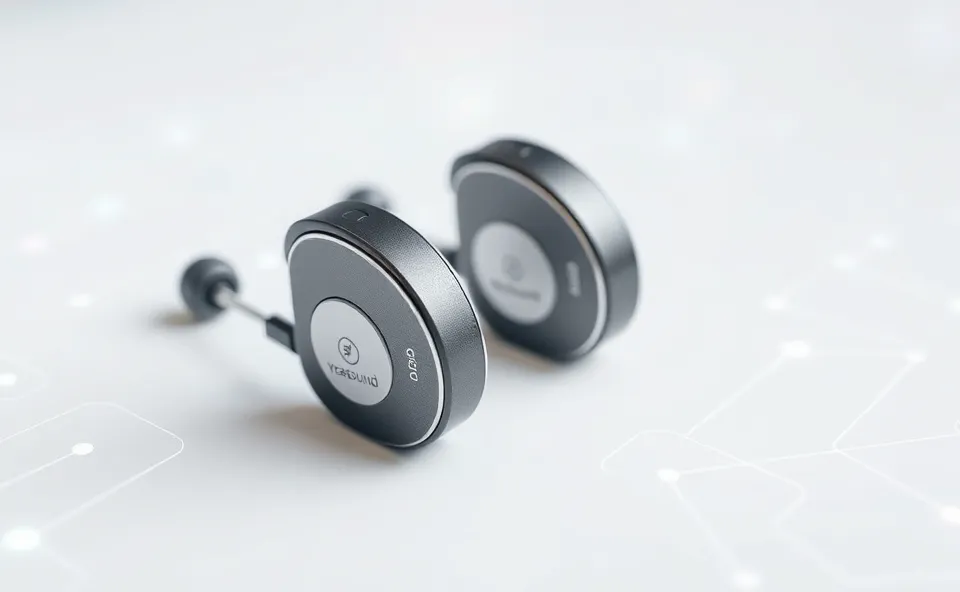
The Yeasound RIC800 A Sound Investment with a Bumpy App Ride
Okay, let’s dive into the Yeasound RIC800 hearing aids. We’ve been hearing a lot about these, and for good reason. On one hand, you’ve got some seriously smart tech under the hood that’s designed to make hearing in noisy places a whole lot easier. On the other hand, there’s a companion app that, well, lets say it could use some serious polish. It’s a classic case of amazing potential meeting a bit of a stumbling block, and we’re going to break down what that means for you.
Why the Buzz Around Yeasound RIC800 Right Now?
The Yeasound RIC800 is gaining traction because it taps into a growing demand for more accessible and advanced over-the-counter hearing aids. People are increasingly looking for solutions that don’t require a doctor’s visit and can be managed more directly. Plus, the promise of AI-powered features that actually make a difference in everyday listening situations is a huge draw. Imagine being able to follow conversations at a bustling restaurant or enjoy a concert without the background noise drowning everything out. That’s the dream the Yeasound RIC800 aims to deliver. The fact that it’s available without a prescription adds another layer of appeal for those seeking a more straightforward path to better hearing.
A Little History: The Evolution of Hearing Help
For decades, hearing aids were complex, often expensive devices that required multiple appointments with audiologists. They were effective, but accessibility and ease of use were significant barriers for many. The landscape started to shift with the introduction of digital hearing aids, offering more customization and clearer sound. Then came the concept of RIC hearing aids, standing for Receiver-In-Canal. These are popular because they’re discreet and offer good sound quality, with the speaker actually sitting in the ear canal rather than in the main body of the device. More recently, the push for over-the-counter hearing aids has opened the door for companies like Yeasound to bring sophisticated technology directly to consumers. The integration of artificial intelligence into these devices is the latest frontier, aiming to intelligently adapt to different sound environments and make listening experiences more natural and less fatiguing. The Yeasound RIC800 review threads we’re seeing are a direct result of this evolution, showcasing a device that’s trying to bridge the gap between cutting-edge tech and everyday practicality.
The Real Impact: What This Means for Your Ears and Beyond
Let’s talk about the star of the show within the Yeasound RIC800 the AI-powered noise reduction and speech-focusing system. This isn’t just your standard hearing aid; it’s designed to be smart. In theory, it analyzes the soundscape around you in real time. When it detects background noise, like chatter at a party or traffic sounds, its AI kicks in to reduce that interference. Simultaneously, its speech-focusing system works to amplify and clarify the voices you want to hear. This synergy is crucial because it means you’re not just getting sound amplified; you’re getting better sound, with unwanted distractions filtered out. The goal is to create a more comfortable and engaging listening experience, reducing the mental effort required to understand speech, especially in challenging environments. This can be a game-changer for social interaction, confidence, and overall quality of life for people with hearing loss.
However, the experience of controlling and fine-tuning these advanced features is heavily reliant on the Yeasound RIC800’s companion app. And here’s where the story gets a bit complicated. User feedback suggests the app, unfortunately, doesn’t quite live up to the promise of the hardware. Common complaints include clunky interfaces, difficulty in pairing the devices, and settings that aren’t intuitive to adjust. This poor user experience creates a significant disconnect. You have a hearing aid with sophisticated AI at its core, but if you can’t easily access or control those features through the app, the full benefit is lost. Imagine having a sports car with a brilliant engine, but the steering wheel is sticky and the dashboard lights are confusing; you can’t fully enjoy the performance.
For users, this means a potentially frustrating journey. While the fundamental hearing amplification is likely there, unlocking the full potential of the AI noise reduction and speech-focusing system might be an uphill battle. This is especially true for individuals who aren’t particularly tech-savvy. The promise of advanced assistive listening devices is great, but it needs to be matched by user-friendly control mechanisms. The digital hearing test capabilities, often integrated into such apps, also suffer if the app itself is problematic, potentially leading to suboptimal initial settings.
From a technology perspective, this highlights a critical trend in consumer tech: hardware innovation is only half the battle. Software and user interface design are equally, if not more, important for mainstream adoption. Companies that excel in creating intuitive and seamless app experiences will likely gain a significant edge in the competitive over-the-counter hearing aid market. The Yeasound RIC800 review landscape is a clear indicator that while AI noise reduction and speech-focusing systems are exciting, their effectiveness is tied to the overall user journey, app included.
Looking Ahead: What’s Next for Smart Hearing?
The Yeasound RIC800, with its impressive internal technology and less-than-impressive app, serves as a valuable case study for the future of hearing aids. We can expect manufacturers to continue refining AI algorithms for even better sound processing. This means potentially more natural sound quality, more precise noise cancellation, and even more adaptive speech enhancement. The focus will likely shift towards improving the user experience of the companion apps. This could involve simpler navigation, more guided setup processes, and perhaps even AI assistants within the app to help users understand and adjust settings. We might also see a greater integration of telehealth features, allowing for remote fine-tuning by audiologists through the app, further enhancing the accessibility of expert support. The trend towards robust digital hearing test features within apps will also likely continue, making personalized sound profiles more attainable for consumers. The Yeasound RIC800 review cycle is a strong signal that the industry needs to nail both the hardware and the software to truly empower users.
Frequently Asked Questions About Yeasound RIC800
What makes the Yeasound RIC800’s AI noise reduction stand out?
The Yeasound RIC800 uses artificial intelligence to actively identify and reduce background noise while simultaneously enhancing speech. This dual approach aims to make conversations clearer in challenging environments, which is a significant step up from traditional hearing aids.
How does the speech-focusing system in the Yeasound RIC800 work?
The speech-focusing system on the Yeasound RIC800 is designed to pinpoint and amplify the sounds of human voices. By cleverly adjusting audio frequencies and directionality, it helps users better isolate and understand conversations even when there’s a lot of other sound happening around them.
Are the Yeasound RIC800 hearing aids considered over-the-counter hearing aids?
Yes, the Yeasound RIC800 falls into the category of over-the-counter hearing aids. This means they are available for purchase directly by consumers without the need for a prescription from a doctor, making them more accessible.
What kind of audio quality can I expect from the Yeasound RIC800?
Users generally report good fundamental audio quality from the Yeasound RIC800, especially concerning its advanced noise reduction and speech-focusing capabilities. However, the overall listening experience can be impacted by the usability of its companion app.
How does the Yeasound RIC800 app affect the overall hearing aid experience?
The companion app is crucial for controlling and customizing the Yeasound RIC800’s advanced features, including its AI noise reduction and speech-focusing system. While the hearing aids themselves offer powerful technology, a less than ideal app user experience can make it difficult for users to fully access and benefit from these capabilities.











