

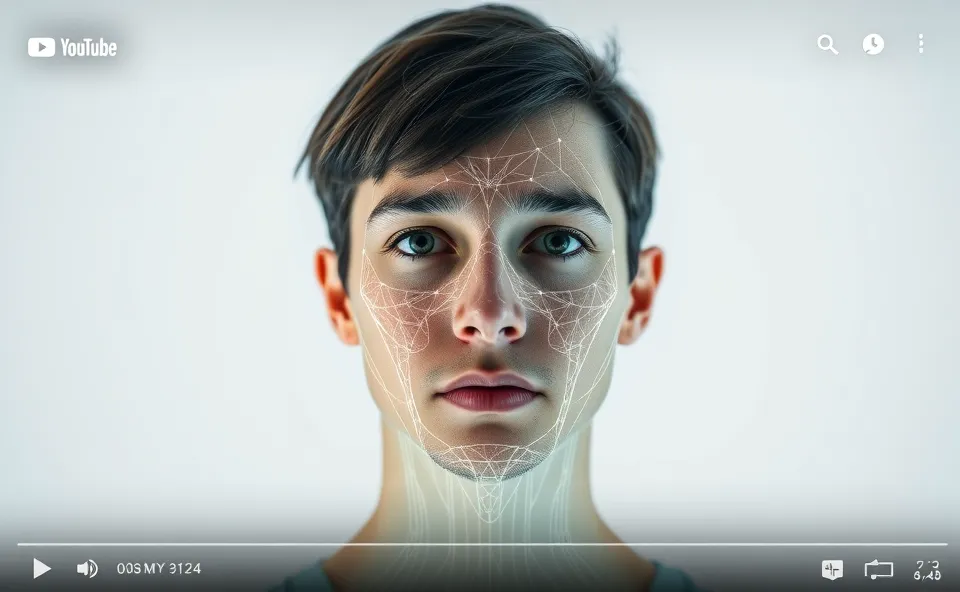
Your Digital Twin is Here on YouTube Shorts
Imagine this: you’re a creator on YouTube Shorts, and you’ve got a killer idea for a video. But what if you could be in two places at once? Or what if you could create a video without ever having to hit record yourself? That’s the magic that YouTube is now bringing to its Shorts platform with a new AI avatar feature. Essentially, it lets you create a realistic digital clone of yourself. You upload a bunch of your videos, and YouTube’s artificial intelligence studies your look, your voice, and your mannerisms. Then, it can generate new videos of your AI avatar saying and doing things you’ve instructed. It’s like having a digital twin ready to star in your content, making video creation feel more like directing a tiny digital actor.
Why All the Buzz About AI Avatars Now?
This isn’t just some futuristic concept anymore; it’s happening now, and that’s why everyone’s talking about AI avatars. The technology for generative AI has advanced at lightning speed. What was once science fiction is becoming a tangible tool for creators. YouTube Shorts, with its massive audience and focus on quick, engaging content, is a prime spot for this kind of innovation. People are searching for this because it represents a huge shift in how content is made. It’s accessible, it’s exciting, and it opens up a whole new world of creative possibilities, especially for those who might be camera shy or have limited time. The idea of effortlessly creating content that looks and sounds like you is incredibly appealing.
From Sci-Fi Dreams to Creator Reality
To truly appreciate what YouTube Shorts is doing with AI avatars, it helps to look back a bit. For years, artificial intelligence has been a topic of fascination, often depicted in movies as something that could replicate humans. We’ve seen early versions of this technology in things like voice assistants, but replicating a full visual and auditory presence was much harder. The rise of deepfake technology, while sometimes controversial, showed just how good AI could get at manipulating images and videos. Now, instead of just manipulating existing footage, generative AI is creating entirely new content from scratch. YouTube’s move is a natural progression, taking these powerful AI capabilities and packaging them into user-friendly creator tools. They’re not just introducing a new feature; they’re democratizing a sophisticated technology, making it available to everyday users on a platform designed for quick, shareable videos.
What This Means for Your Favorite Shorts
The impact of AI avatars on YouTube Shorts is potentially massive. For creators, it’s a game changer.
- Supercharged Creativity: Imagine a creator who wants to post daily updates but struggles with the time commitment of filming. With an AI avatar, they can script their message, and the avatar can deliver it, complete with their voice and likeness. This means more consistent content and less burnout.
- Accessibility for All: Not everyone is comfortable being on camera. AI avatars can lower the barrier to entry for aspiring creators, allowing them to share their ideas and personalities without the pressure of public scrutiny.
- New Forms of Entertainment: We might see entirely new genres of Shorts emerge. Think of animated characters that look exactly like real people, or educational content where an AI avatar explains complex topics in a relatable way.
- Personalized Engagement: Businesses could use AI avatars to create personalized video messages for their customers, offering a more engaging and human touch than generic text or static images.
- The Evolution of the Digital Self: This feature blurs the lines between our real and digital selves. Your AI avatar becomes an extension of your online persona, available to work for you 24/7.
However, this powerful technology also brings challenges. The sophistication of AI avatars, especially when it comes to realism, also brings up concerns about impersonation and AI scams. Ensuring that users can trust that the content they are seeing is authentic is going to be crucial for YouTube. The platform will need robust systems in place to flag or prevent misuse, especially when it comes to potentially harmful deepfake content or misleading AI-generated content.
What’s Next in the World of Digital You?
Looking ahead, the integration of AI avatars on YouTube Shorts is likely just the beginning. We can expect these avatars to become even more sophisticated.
- Increased Realism: AI will likely improve the nuanced movements, emotional expressions, and vocal inflections of these digital selves, making them virtually indistinguishable from real humans.
- Broader Applications: Beyond Shorts, AI avatars could find their way into longer-form YouTube content, live streams, and even interactive experiences.
- AI Collaboration: Imagine creators collaborating with their AI avatars in real-time, creating dynamic and unpredictable content.
- Ethical Frameworks: As the technology matures, so will the discussions around its ethical use. We’ll likely see clearer guidelines and regulations surrounding AI avatars to prevent misuse and protect individuals. The focus will shift towards responsible innovation, ensuring that these powerful creator tools are used for good.
Frequently Asked Questions About YouTube Shorts AI Avatars
What exactly are AI avatars on YouTube Shorts?
AI avatars on YouTube Shorts are digital representations of creators that artificial intelligence can control. They allow users to generate videos using a realistic digital clone of themselves, complete with their voice and likeness, after providing the AI with a dataset of their existing content.
How can I create an AI avatar for my YouTube Shorts videos?
To create an AI avatar, you’ll typically need to upload a collection of your existing videos to YouTube’s platform. The generative AI will then analyze your appearance, voice, and mannerisms to build a digital clone that can be used to create new content.
Will AI avatars make it easier to create YouTube Shorts?
Yes, AI avatars are designed to streamline the content creation process. They offer a way to produce videos without always needing to be physically present or record new footage, potentially saving creators time and effort.
What are the potential risks associated with AI avatars and deepfake technology?
The main risks involve the potential for impersonation and AI scams. Realistic AI avatars could be misused to create misleading content or to impersonate individuals for malicious purposes, making it important for platforms to address the challenges of AI-generated content.
How is YouTube Shorts ensuring the responsible use of AI avatars?
While specific details are still emerging, platforms like YouTube are expected to implement safeguards and guidelines to promote the ethical use of AI avatars. This includes efforts to distinguish between real and AI-generated content and to prevent the misuse of this artificial intelligence technology.











