

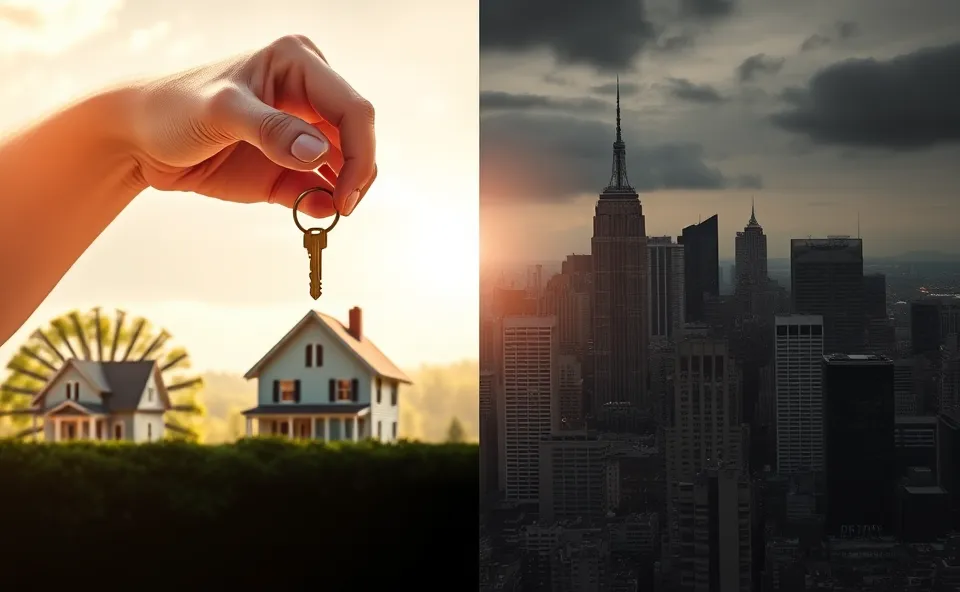
The Hard Truth About Getting a Home Today
If you have spent any time scrolling through real estate apps lately, you know the feeling. You find a place that looks perfect, only to see a price tag that feels like a typo. For a long time, many of us hoped that this was just a weird phase. We waited for the market to cool down and for prices to slide back to where they were a few years ago.
However, a recent report from Morgan Stanley suggests we should stop waiting for a miracle. The experts are essentially saying that the days of cheap housing are gone. According to their analysis, housing affordability is unlikely to return to the levels we saw before 2022.
This is not just about a temporary spike in prices. It is about a fundamental shift in how homes are built and sold. The report points to a combination of higher construction costs and a persistent lack of available homes. When it costs more to build a house and there are not enough houses to go around, prices stay high. It is a simple matter of math, but for someone trying to buy their first home, it feels like a brick wall.
Why Everyone Is Talking About Housing Right Now
You might wonder why this conversation is peaking right now. It is because we are living through a strange contradiction. On one hand, we hear that the market is cooling. On the other hand, the actual cost of living remains punishingly high. People are searching for answers because the old rules of real estate no longer seem to apply.
For decades, the general idea was that markets move in cycles. Prices go up, then they crash or plateau, and then they become affordable again. But the current situation feels different. We are seeing a gap between what people earn and what homes cost that is wider than it has been in generations.
This has created a sense of urgency and anxiety. Many people feel trapped in a rental cycle, paying a huge portion of their paycheck to a landlord while the dream of ownership drifts further away. When a major firm like Morgan Stanley releases a forecast that says things won’t simply go back to normal, it triggers a wave of concern. People want to know if they should keep saving, change their expectations, or give up on the idea of owning a home entirely.
How We Got Into This Mess
To understand why we are stuck here, we have to look back at the chaos of the last few years. Before 2022, we experienced a perfect storm that broke the housing market.
First, there was the pandemic shift. Suddenly, everyone needed a home office. People fled crowded cities for the suburbs, creating a massive surge in demand. At the same time, mortgage rates were at historic lows. This made borrowing money incredibly cheap, which allowed buyers to bid higher and higher on homes.
Then, the supply chain collapsed. Building a house requires a massive coordination of materials and labor. During the pandemic and the immediate aftermath, the supply chain for lumber, steel, and electrical components broke. Prices for these raw materials skyrocketed.
But it was not just the materials. There was a massive shortage of skilled labor. Not enough plumbers, electricians, or carpenters were available to keep up with the demand. When labor is scarce, wages go up. While higher wages are great for the workers, those costs are passed directly to the buyer.
By the time the world started to normalize, the cost of building a new home had shifted to a new, higher baseline. Even as some material prices dipped, they never went back to their 2019 levels. This created a floor under home prices. Builders cannot sell a house for less than it costs to build it and make a profit.
Who This Actually Affects and How
The reality of declining housing affordability does not just affect people looking for a starter home. It creates a ripple effect that touches almost everyone in the economy.
For first time buyers, the impact is a delay in adulthood. Many people are staying with their parents longer or delaying starting families because they cannot find a stable, affordable place to live. This changes the social fabric of our neighborhoods and puts a strain on personal finances.
For the rental market, the impact is even more direct. When people cannot afford to buy, they stay in the rental pool longer. This increased demand for apartments and rental houses allows landlords to raise prices. This creates a vicious cycle where people cannot save for a down payment because their rent is eating up all their extra cash.
Businesses are also feeling the pinch. If workers cannot afford to live near their jobs, companies struggle to hire talent. This can lead to longer commutes, more burnout, and eventually, a push for more remote work, which further changes the demand for different types of real estate.
We also have to consider the impact on the broader cost of living. Housing is the biggest expense for most households. When that cost goes up, people spend less on other things. This can slow down growth in other sectors of the economy, from local restaurants to retail stores.
Where the Housing Market Goes From Here
So, what does the future look like? If we are not going back to the pre 2022 era, what is the new normal?
The most likely scenario is a period of stagnation rather than a crash. We probably will not see a massive drop in home prices because the supply is still too tight. There are simply not enough houses to satisfy the number of people who want them.
However, we might see a shift in what people buy. We are already seeing a trend toward smaller homes, townhouses, and multi family living. The era of the massive suburban mansion for the average family may be fading, replaced by more efficient, compact living spaces.
The economic forecast suggests that stability will depend on two things: interest rates and new construction. If mortgage rates stabilize or dip slightly, it might make existing prices more bearable. But the real solution is supply. Until we build millions of more units, the competition will keep prices high.
We should expect the market to move slower. The wild bidding wars of 2021 might be over, but the high prices are here to stay. The focus will likely shift from rapid price growth to a slow, steady climb that hopefully aligns better with wage growth over the next decade.
Common Questions About Housing Affordability
What is affecting housing affordability the most right now?
The biggest factors are the lack of available homes and the increased cost of construction. When there are more buyers than there are houses, prices go up. Additionally, the cost of labor and materials has risen, making it more expensive for developers to build new homes.
Will home prices ever go back to pre 2022 levels?
According to the Morgan Stanley report, it is very unlikely. The costs associated with building and maintaining homes have risen permanently. Because builders cannot sell homes for less than the cost of production, the price floor has moved higher.
How do mortgage rates play into the housing market?
Mortgage rates determine how much a buyer can afford each month. When rates are high, the monthly payment for the same house becomes much more expensive. This often pushes buyers out of the market or forces them to look for cheaper homes, which increases competition in the lower price brackets.
What does an economist say about the supply chain and homes?
Economists point out that the supply chain disruptions of the last few years created lasting inflation in building materials. While some items have stabilized, the overall cost of the supply chain remains higher than it was years ago, which keeps home prices elevated.
Is the current economic forecast bad for first time buyers?
It is challenging, but not impossible. The forecast suggests that while prices won’t crash, the market may become less volatile. First time buyers may need to consider different types of homes, such as condos or smaller properties, to find something within their budget.











