

Getting Your Head Around Investing: Passive vs. Active
Ever felt like investing is a secret club with a language all its own? You’re not alone. When people start thinking about growing their money, two big approaches always pop up: passive investing and active investing. It can feel a bit overwhelming trying to figure out which is which, and more importantly, which one might be right for you. Let’s break it down, no jargon, just clear talk about how you can get your money working for you.
Why Are We Talking About This Now?
You’ve probably noticed that the world of finance is always buzzing. People are constantly looking for smarter ways to build wealth. With information more accessible than ever, folks are digging deeper into the nuts and bolts of investing. They want to understand the different paths they can take, and whether they should try to beat the market or just go along for the ride. That’s why passive investing and active investing are hot topics; everyone’s curious about the best strategy for their own financial journey.
A Quick Look Back: How We Got Here
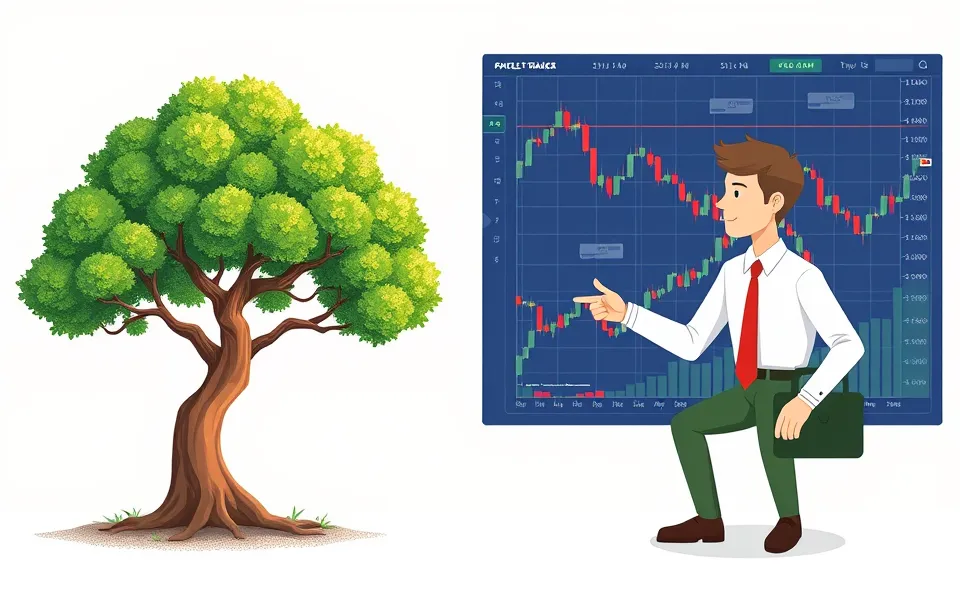
For a long time, the go-to image of investing was someone hunched over stock tickers, making split-second decisions. This is the heart of active investing. Think of a skilled portfolio manager or a keen stock picker whose job is to constantly research, buy, and sell assets with the goal of outperforming a benchmark, like the S&P 500. This has been the traditional way for decades. Passive investing, on the other hand, is a more recent philosophy. It gained serious traction as people realized how hard it is to consistently beat the market over the long term. The idea here is simpler: if you can’t reliably pick winners, why not just own a piece of the whole market? This is where index funds come in, designed to mirror the performance of a specific market index.
What Does This Mean for Your Money?
Deciding between passive and active investing isn’t just an academic exercise; it has real consequences for your portfolio and your wallet. Let’s dive into what each approach really involves.
The “Go With the Flow” Approach: Passive Investing
At its core, passive investing is all about taking a hands-off approach. The philosophy is that trying to time the market or pick individual stocks to beat everyone else is incredibly difficult and often leads to underperformance, especially after accounting for costs. Instead, passive investors aim to match the returns of a specific market index. Think of it like this: if the whole stock market goes up by 10%, a passive strategy aims to go up by roughly 10% too. You’re not trying to be the smartest person in the room; you’re just trying to get the market’s average return.
Pros of Passive Investing
- Simplicity: It’s straightforward. You buy into a fund that tracks an index, and you’re done.
- Low Costs: Because there’s less trading and research involved, passive funds typically have much lower expense ratios. This means more of your money stays invested.
- Diversification: Index funds often hold hundreds or thousands of different stocks or bonds, giving you instant diversification, which helps reduce risk.
- Less Time Commitment: Once you set up your investments, they generally require minimal attention.
Cons of Passive Investing
- No Outperformance: You’re not aiming to beat the market, just to match it. You won’t capture the massive gains from a few exceptional stock picks.
- Market Downturns: When the market goes down, your passive investments will go down with it.
The “Beat the Market” Hustle: Active Investing
Active investing is the opposite. It’s about trying to outperform a benchmark index. This involves a lot of research, analysis, and frequent buying and selling of investments. Active investors believe they can use their expertise to find undervalued assets or avoid overvalued ones, aiming to generate alpha, which is essentially the extra return above what the market provides. This approach demands a lot of work and skill from the investor or fund manager.
Pros of Active Investing
- Potential for Higher Returns: If done well, an active strategy can potentially generate higher returns than the market index.
- Flexibility: Active managers can react to market changes, sell holdings that are performing poorly, and take advantage of short-term opportunities.
- Downside Protection: Skilled active managers might be able to navigate market downturns more effectively, potentially losing less than the overall market.
Cons of Active Investing
- Higher Costs: Active management involves more research, trading, and management fees, leading to higher expense ratios. These costs eat into your returns.
- Requires Expertise: Successful active investing needs significant knowledge, time, and skill, which many individual investors may not have.
- Risk of Underperformance: The majority of active fund managers actually fail to beat their benchmark indices over the long term, especially after fees.
- Time Consuming: Whether you’re doing it yourself or paying someone else, active investing requires more ongoing attention and decision-making.
Fees and Time: The Real-World Trade-offs
When you’re choosing between passive and active investing, the biggest differences often come down to fees and the time you’re willing to commit. Passive investing, often done through index funds or ETFs (exchange-traded funds), usually has very low expense ratios. Think fractions of a percent. This is because the fund manager’s job is just to track an index, not to actively research and trade individual securities. This low cost is a huge advantage over the long run because fees compound just like returns do, but in reverse. Active funds, on the other hand, charge higher fees because they employ teams of analysts and fund managers to make investment decisions. These fees can significantly impact your overall returns, especially over many years.
As for time, passive investing is ideal for people who want to set it and forget it. You might spend some time initially choosing your investments and then periodically rebalancing your portfolio, perhaps once or twice a year. Active investing, however, demands constant attention. If you’re actively picking stocks yourself, you’ll need to dedicate hours to research and monitoring. If you’re hiring an active fund manager, you’ll still want to understand their strategy and performance, which takes time and effort.
Which Path Leads to Your Goals?
So, how do you decide? It really boils down to your personal financial goals, your risk tolerance, and how much time and effort you want to put into your investments. If your goal is long-term wealth building and you prefer a low-cost, simple approach that mirrors the broad market’s performance, passive investing is likely a great fit. It’s a solid strategy for most people aiming for steady, market-based returns without the stress of constant decision-making. If you’re someone who enjoys digging into company analysis, believes you have a knack for stock picking, or is willing to pay for the potential of outperformance, active investing might appeal to you. However, it’s crucial to go into active investing with realistic expectations about the challenges and costs involved.
Looking Ahead: What’s Next?
The conversation around passive versus active investing is likely to continue evolving. As technology advances, we might see new tools emerge that make active strategies more efficient or accessible, or perhaps even blend aspects of both approaches. The focus on costs will undoubtedly remain a key consideration for investors. Regardless of the specific trends, understanding the fundamental philosophies behind passive and active investing will remain essential for anyone looking to make informed decisions about their money and build their wealth over time. The core idea of managing your investments to meet your personal objectives will always be the driving force.
Frequently Asked Questions
What is passive investing and how does it work?
Passive investing is an investment strategy that aims to mirror the performance of a market index, such as the S&P 500. Instead of actively picking stocks or timing the market, investors buy funds, like index funds or ETFs, that hold a broad basket of securities representing the index. The goal is to achieve market returns without the high costs and intensive management associated with active investing.
How is active investing different from passive investing?
Active investing involves a portfolio manager or individual investor making frequent decisions to buy and sell securities in an attempt to outperform a benchmark index. This often involves stock picking, market timing, and in-depth research. Passive investing, conversely, follows a buy-and-hold strategy designed to match an index’s performance with minimal trading and management intervention.
Are index funds a form of passive investing?
Yes, index funds are a prime example of passive investing. They are designed to track the performance of a specific market index by holding all or a representative sample of the securities within that index. This allows investors to gain diversified exposure to a market segment with low costs and minimal management oversight.
What are the main benefits of a passive investment strategy?
The primary benefits of a passive investment strategy include lower expense ratios due to less active trading and management, broad diversification across many securities, simplicity and less time commitment for the investor, and a reliable way to capture market returns. This approach is often favored for long-term wealth building.
When might active investing be a better choice than passive investing?
Active investing might be considered when an investor believes they can consistently identify undervalued assets or predict market movements better than the average, aiming to generate alpha. It can also be appealing for those who want the flexibility to react to specific market events or who seek potential downside protection that a passive strategy might not offer. However, it’s important to note that consistently achieving superior returns through active investing is challenging and often comes with higher fees.











