

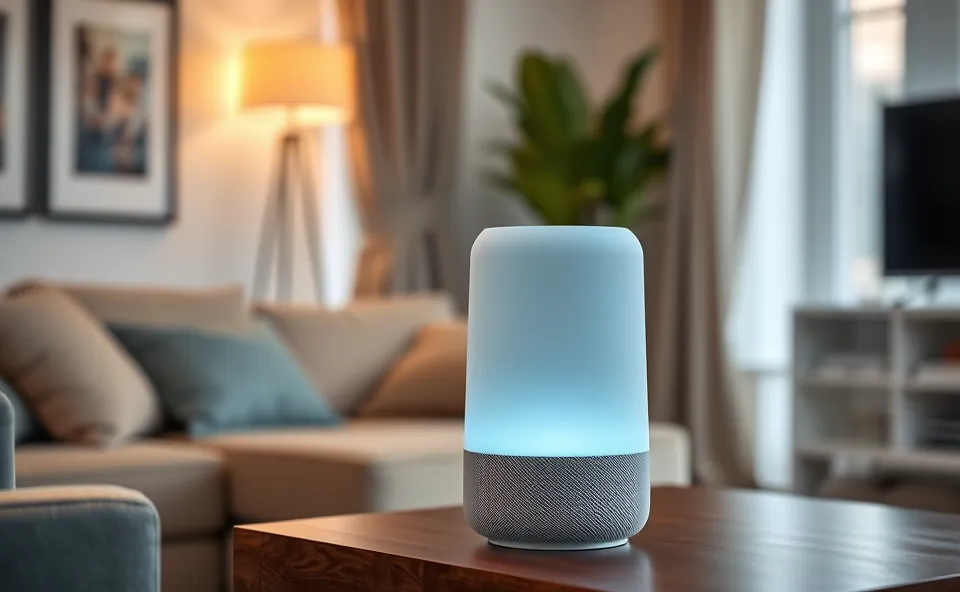
A Fresh Take on the Google Home Experience
Google just released a new version of its smart speaker, and it feels like a major leap forward. For a while, these devices mostly felt like voice controlled timers or basic music players. This new Google Home device changes that narrative. It is not just about hearing a command and giving a robotic answer. It is about creating an environment where the technology actually fits into your life without getting in the way.
The first thing people are noticing is how much more natural the interaction feels. The device blends into a room with a clean design, but the real magic is inside. It combines high end hardware with the latest breakthroughs in artificial intelligence. This means the speaker can handle complex requests that would have confused older models. Whether you are asking for a detailed summary of your day or trying to control a dozen different light bulbs at once, the response is nearly instant.
Early impressions suggest that this could be the best smart speaker on the market. It does not just do one thing well. It balances audio performance, voice recognition, and smart home control in a way that feels cohesive. Instead of feeling like a collection of separate features, it feels like a single, intelligent device designed to make your home run smoother.
Why Everyone Is Talking About This Right Now
You might wonder why a new speaker is causing such a stir when we already have so many options. The reason is simple. We are currently in the middle of an AI revolution. People are tired of the old way voice assistant technology worked. We are all bored of saying a wake word and hearing the device respond with, I am sorry, I do not understand that.
The new Google Home arrives at the perfect time because it integrates advanced AI that can actually understand context. This is a huge shift. It means the AI speaker can remember what you said two minutes ago and apply it to your next question. This makes the conversation feel human. When a piece of new tech gadget makes you feel like you are talking to a person rather than a computer, it captures the public’s imagination.
There is also a growing demand for better home entertainment. More people are ditching expensive, bulky stereo systems for high quality wireless options. Because this new speaker promises a massive jump in sound depth and clarity, audiophiles and casual listeners alike are paying attention. It is the combination of “smarter” and “better sounding” that has created this wave of excitement.
Looking Back at the Journey of Smart Audio
To really appreciate where we are, it helps to remember where we started. Early versions of smart home tech were a bit clunky. They were great for setting a kitchen timer or checking the weather, but they struggled with anything complex. You had to speak in very specific phrases to get the right result. If you deviated from the script, the device would fail.
Over the last few years, Google worked hard to move away from simple command and response patterns. They shifted from basic voice recognition to deep learning. We saw the evolution of the Nest line, which focused more on the home ecosystem. However, there was always a gap between the tiny speakers that sounded tinny and the massive speakers that were too expensive for every room.
The industry has spent years in a cycle of incremental updates. We got slightly better microphones here and a bit more bass there. But we lacked a total rethink of how a speaker should behave. This new Google Home is the result of that long learning process. It takes everything Google learned about the home and combines it with their latest AI research to solve the frustrations users have had for a decade.
How This Changes the Game for Users
The impact of this device goes beyond just having a cool new toy. It changes how we interact with our living spaces. For the average user, the most immediate change is the audio quality. You no longer have to choose between a speaker that is smart and a speaker that sounds great. This device handles both. You can use it for a quiet podcast in the morning and a high energy party in the evening without feeling like you are missing out on bass or clarity.
For those deep into smart home tech, the impact is even bigger. This speaker acts as a more efficient brain for the house. It can coordinate different devices with more precision. Imagine a scenario where the speaker senses you are starting a movie and automatically dims the lights, closes the blinds, and sets your phone to do not disturb. It moves from being a tool you use to a system that supports you.
From a broader tech perspective, this pushes the entire market forward. In any speaker comparison, the bar has now been raised. Competitors can no longer rely on just a loud speaker or a fast assistant. They have to provide a seamless, intuitive experience. This competition ultimately benefits the consumer because it forces every company to innovate faster and make their devices more user friendly.
What the Future Holds for Intelligent Homes
Looking ahead, we can expect the Google Home to become even more proactive. Right now, most of us still start the interaction. We say the wake word and ask for something. The next logical step is a speaker that knows what you need before you ask. This is not about science fiction, but about pattern recognition.
We will likely see deeper integration with our personal calendars and habits. The intelligent device of tomorrow will not just tell you that it is raining. It will suggest that you leave five minutes early for your meeting because traffic is heavier than usual. It will become a personal concierge that lives in your living room.
We can also expect these speakers to work better together. Instead of one central hub, we will see a web of devices that pass your conversation from one room to another seamlessly. You could start a question in the kitchen and finish it in the bedroom without skipping a beat. The goal is to make the technology invisible. The best tech is the kind you forget is even there, and this new direction suggests we are finally getting close to that reality.
Common Questions About the New Setup
How does the audio quality compare to older versions?
The new Google Home offers a much fuller sound profile. It provides deeper bass and clearer highs, making it suitable for both voice commands and high fidelity music. In a direct speaker comparison, it holds its own against dedicated music speakers while keeping all the smart features.
Is this smart speaker compatible with other brands?
Yes, it is designed to work with a wide range of smart home tech. It supports most major industry standards, meaning you can control your lights, thermostats, and locks regardless of who manufactured them, as long as they are compatible with the Google ecosystem.
What makes this an AI speaker rather than just a voice assistant?
Traditional assistants follow a set of rules. An AI speaker uses large language models to understand context and nuance. This means you can speak more naturally and the device can handle follow up questions without you needing to repeat the subject.
Can I use the Google Home for professional home entertainment?
While it is a powerful intelligent device, it is best used as part of a system. You can pair multiple units to create a multi room audio experience that fills your entire house with synchronized sound, making it a great addition to any home entertainment setup.
Is this new tech gadget easy to set up for beginners?
Absolutely. The setup process is handled mostly through a smartphone app. It automatically finds your devices and connects them to your network, making it accessible even for people who are not very tech savvy.











