

A Fresh Start and a Big Check
In the fast moving world of AI and robotics, a lot of the biggest breakthroughs happen behind closed doors. Recently, one of those doors opened up for a company called Proception. This robotics startup has just cleared two major hurdles that could have easily derailed its future. First, they reached a legal settlement with Tesla, putting an end to a tense period of uncertainty. Second, they secured an 11 million dollar funding round to accelerate their work.
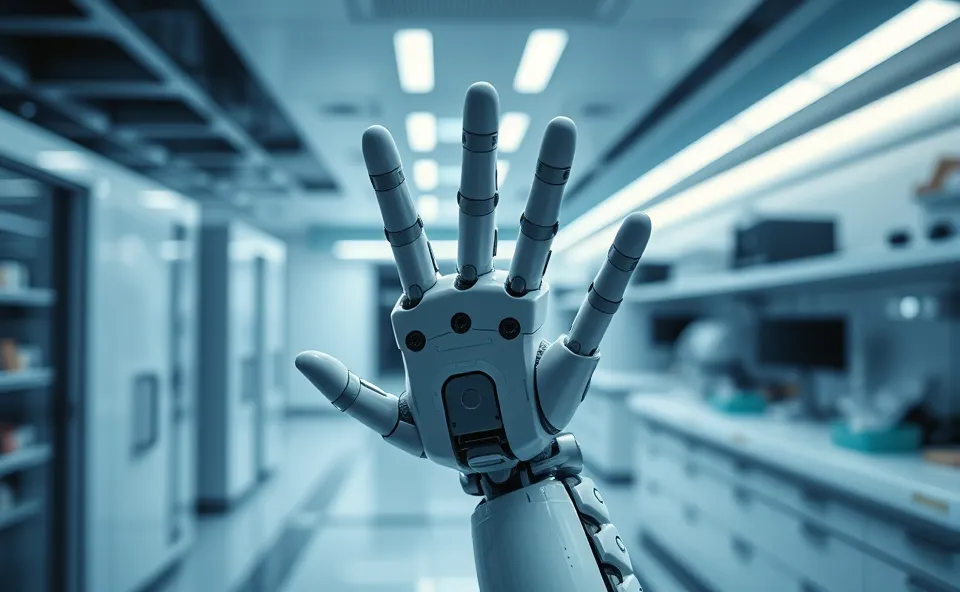
For those who follow the tech scene, this is more than just a corporate update. It is a signal that the race to build truly human like robot hands is heating up. While most of us are used to seeing robotic arms that move in stiff, predictable lines, Proception is chasing something much harder: dexterous manipulation. This is the ability for a robot to pick up a fragile egg, turn a tiny screw, or handle a piece of fabric without crushing it or letting it slip.
The settlement with Tesla is a huge relief for the team. Legal battles, especially those involving giants, can drain a small company of its time and money. With that weight gone and a fresh injection of venture capital, Proception is now in a position to focus entirely on the hardware and software that will define the next generation of AI robotics.
Why the World Is Watching This Space Now
You might wonder why a settlement and a funding round for one startup are making waves. The reason is simple: we are currently in a transition period for robotics. For decades, robots were great at doing the same thing over and over again in a controlled factory setting. But we are now moving toward a world where robots need to operate in “unstructured environments,” which is just a fancy way of saying the real world.
Whether it is a robot helping in a hospital, sorting through recycling, or working in a home, the hand is the most critical part of the equation. If the hand cannot feel or adapt to the object it is touching, the rest of the robot is basically useless. This is why Proception is trending. They are not just building a better piece of metal; they are solving the problem of how a robot learns to touch.
People are searching for this news because it represents a clash of philosophies. On one side, you have the massive resources of companies like Tesla, who are building humanoid robots like Optimus. On the other, you have agile startups that might find the “secret sauce” for dexterity faster than a giant corporation can. When these two worlds collide in a Tesla lawsuit and then settle, it tells the industry that the tech is valuable enough to fight over.
The Story Behind the Legal Drama
To understand where we are, we have to look back at the friction. The conflict centered on trade secret litigation. In the robotics industry, the line between a general idea and a proprietary secret is often very thin. When talented engineers move from a big company to a startup, or when two companies collaborate and then part ways, tensions can run high.
Tesla is known for being extremely protective of its intellectual property. They want to own the entire stack, from the battery to the AI brain to the finger joints. Proception, meanwhile, was carving out its own path. The legal dispute was essentially a fight over who owned certain ideas regarding how robots move and learn. For a small robotics startup, this kind of pressure can be suffocating. It makes investors nervous and slows down research.
However, the settlement changes the narrative. Instead of a long, drawn out court battle that would have kept their secrets in a legal vacuum, Proception can now move forward. The fact that they managed to raise 11 million dollars right around this time shows that venture capitalists believe the company’s core technology is unique and legally sound. It proves that Proception has something that the market wants, regardless of the early friction with Tesla.
Changing the Game With Smarter Training Data
The most exciting part of the Proception story is not the money or the lawyers, but the way they approach machine learning training data. This is where the real magic happens. Most robot hands fail because they are programmed with strict rules. A programmer tells the robot, “Move finger A three centimeters to the left.” But the real world is messy. Objects slip, surfaces are slippery, and weights change.
Proception is taking a different route. Instead of just writing better code, they are focusing on how the robot learns. They use a unique approach to generate data that teaches the robot hand how to react to different textures and resistances. Think of it like the difference between reading a book about how to ride a bike and actually getting on the bike and falling a few times.
By creating high quality training data, Proception allows their robots to develop a sense of “feel.” This leads to several major improvements in dexterous manipulation:
- Adaptive Grip: The robot can automatically adjust its pressure based on whether it is holding a steel bolt or a plastic cup.
- Real Time Correction: If an object starts to slide, the AI detects the change in data and corrects the grip in milliseconds.
- Faster Learning: Because their training data is so efficient, the robots can learn new tasks in simulations before they ever touch a physical object.
This shift from “hard coding” to “data driven learning” is what makes this a breakthrough. It means we are moving away from robots that are just machines and toward robots that have a form of physical intelligence.
What Happens Next for AI Robotics
Looking ahead, the impact of Proception funding will likely be felt in the way we integrate robots into the workforce. We are likely to see a surge in specialized robotics. Instead of one giant robot that tries to do everything, we might see a variety of platforms that all use Proception’s hand technology to perform complex tasks.
In the short term, we can expect to see these dexterous hands appearing in advanced manufacturing and logistics. Imagine a warehouse where robots can pack irregularly shaped items into boxes with the same care as a human worker. This would solve one of the biggest bottlenecks in e-commerce.
In the longer term, this technology paves the way for service robots. If a robot can safely and effectively handle a variety of household objects, the dream of a truly helpful home assistant becomes a reality. The settlement with Tesla also opens the door for potential partnerships. While they were fighting in the past, the future might involve a world where different companies provide different “organs” for the robot, with one company providing the body and another providing the high dexterity hands.
Common Questions About Proception and Robot Hands
What exactly does Proception do?
Proception is a robotics startup that specializes in creating advanced robot hands. Their main focus is on dexterous manipulation, which allows robots to handle objects with a level of precision and flexibility that mimics human touch.
Why was there a Tesla lawsuit involving Proception?
The Tesla lawsuit was primarily about trade secret litigation. It involved disputes over intellectual property and the ownership of specific technical ideas. The two parties have since reached a settlement, allowing Proception to operate without legal interference.
How does machine learning training data improve robot hands?
Instead of following a rigid set of instructions, robots use machine learning training data to learn from experience. By analyzing thousands of examples of successful and failed grips, the robot learns how to adjust its movements in real time to handle different objects safely.
What is the significance of the Proception funding round?
The 11 million dollar Proception funding raise is a strong vote of confidence from the venture capital community. It provides the company with the resources to scale its research, hire more engineers, and bring its dexterous hand technology to the commercial market.
Will these robot hands be used in home robots?
While the initial use will likely be in industrial and logistics settings, the goal of improving AI robotics is to eventually create machines that can function in any environment. This includes homes, where the ability to handle fragile or oddly shaped objects is essential.











