

The secret reason your shopping cart is getting cheaper
Have you noticed that some of the electronics or household goods you buy online stay surprisingly affordable, even while the price of eggs or rent keeps climbing? There is a very specific reason for this, and it leads straight back to the factories of China. Right now, China is producing an incredible amount of goods and shipping them all over the world at very low prices. In simple terms, China is exporting its own economic problems to help lower prices for everyone else.
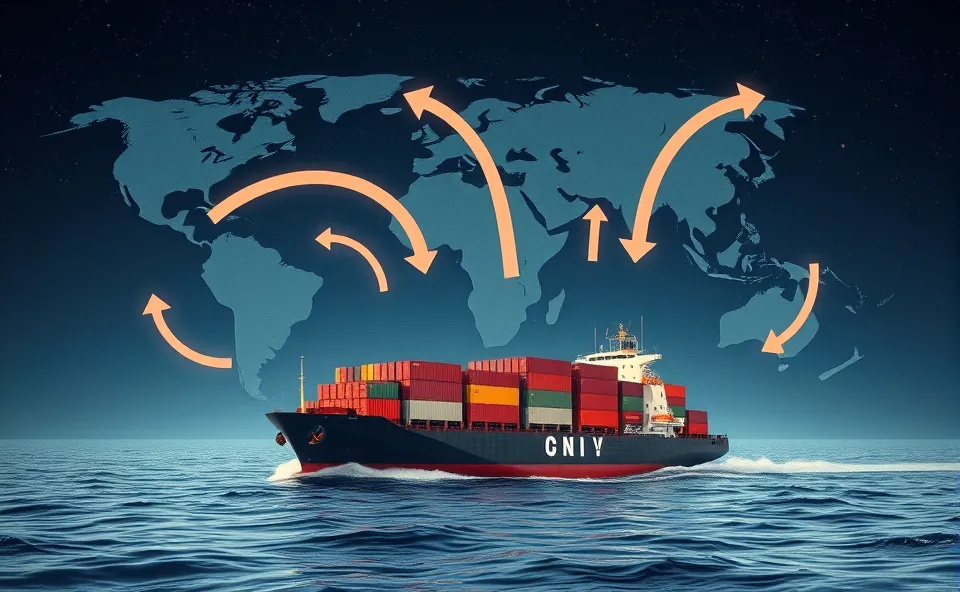
When we talk about China exports and inflation, we are talking about a process called exporting deflation. Deflation happens when prices fall because there are too many goods and not enough people buying them. Because China has a massive industrial capacity but low demand at home, they are flooding the global market with cheap products. When these goods land in the US, Europe, or Southeast Asia, they force prices down. If a local company wants to sell a toaster, they cannot charge a premium if a high quality Chinese toaster is available for half the price.
This creates a weird situation. While most countries are fighting global inflation by raising interest rates and trying to cool down the economy, China is essentially acting as a giant pressure valve. By pumping out cheap goods, they are helping to keep the cost of living from spiraling even further out of control in other nations.
Why this trade surge is making headlines now
People are searching for answers on this topic because we are in a strange economic moment. For the last few years, the world has been obsessed with inflation. Everything from gas to groceries became more expensive, and central banks were desperate to bring those numbers down. Now, we are seeing a shift where the sheer volume of goods coming out of China is starting to outweigh the price hikes we saw during the pandemic.
Economists and business leaders are paying attention because this is not just about cheap toys or clothes. We are seeing this trend in high tech sectors, such as electric vehicles, solar panels, and advanced batteries. When these massive industries see a price drop, it affects the entire supply chain. If the batteries in a car become cheaper because of China exports, the final price of the car can drop, which helps lower the overall inflation rate for a whole country.
There is also a lot of buzz because this isn’t happening by accident. It is a result of China’s internal economic struggle. Because their own citizens are not spending as much as they used to, Chinese companies have no choice but to find buyers elsewhere. This makes the trend a hot topic for anyone trying to predict where the global economy is headed.
The hidden story behind the numbers
To understand why this is happening, we have to look at what is going on inside China. For decades, China grew by building huge cities and spending massive amounts of money on infrastructure. However, that boom has slowed down. Their real estate market is struggling, and people are saving their money instead of spending it. This means factories are producing more than the local population can buy.
This is where things get interesting and a bit mysterious. When you look at trade data, you might see one story, but the reality is often more complex. This is where UBS and their economist Paul Donovan enter the conversation. UBS noticed a strange gap in the import data and export numbers. Essentially, the amount of goods China claims to be exporting doesn’t always align perfectly with what other countries say they are importing.
This discrepancy suggests that the export volume is even more massive than the official reports show. Some goods might be routed through third party countries to avoid tariffs, or the data is simply not being tracked accurately. Paul Donovan has pointed out that this gap proves China is pushing out products at a scale and price point that the world has rarely seen. This hidden volume is a huge driver of deflation that is being pushed onto the rest of the world, masking some of the inflation problems in Western economies.
What this means for your wallet and your business
For the average consumer, this is generally good news in the short term. You get more for your money. Whether it is a new smartphone, a solar panel for your roof, or a piece of furniture, China exports keep those prices competitive. It provides a relief valve that prevents global inflation from feeling even more painful.
However, for businesses and workers in other countries, the story is different. This creates a massive challenge for local manufacturers. It is very hard for a factory in the US or Europe to compete with a Chinese company that is selling products below the cost of production just to keep their factories running. This can lead to a few different outcomes:
- Lower production costs: Companies that use Chinese components can lower their own prices, making them more competitive.
- Industry pressure: Local brands that cannot match these prices may go out of business or be forced to pivot to luxury markets.
- Job shifts: As local manufacturing struggles, jobs may shift from production to service or design roles.
- Market saturation: An oversupply of cheap goods can lead to a race to the bottom, where no one makes a profit.
The economic impact is a balancing act. We love cheap products, but we also want strong local industries. When China exports its deflation, it solves one problem for us while potentially creating another for our local workforce.
Looking ahead at the global trade game
So, where does this leave us? It is unlikely that this trend will continue without a fight. Governments are already starting to react to the flood of cheap goods. We are seeing more tariffs and trade barriers being put in place, especially in the electric vehicle and green energy sectors. Countries want the benefits of low inflation, but they do not want to lose their entire industrial base in the process.
In the coming months and years, we will likely see a tug of war. China will continue to try and offload its excess capacity to keep its factories humming. Meanwhile, other nations will try to find a middle ground between enjoying cheap imports and protecting their own businesses. We might see a shift where the supply chain becomes more fragmented, with countries trying to build their own versions of these industries to avoid being too dependent on one source.
If China can successfully stimulate its own internal demand, the pressure to export so aggressively might fade. But until that happens, we can expect China exports to remain a primary force in keeping global prices down. The world is essentially riding the wave of China’s industrial overcapacity.
Common questions about trade and inflation
How do China exports help lower inflation in other countries?
China produces goods in massive quantities and sells them at very low prices because there is not enough demand at home. When these cheap products enter other markets, they lower the overall cost of goods, which helps reduce global inflation.
What is the difference between inflation and deflation in this context?
Inflation is when prices rise across the economy, reducing your purchasing power. Deflation is the opposite, where prices fall. China is experiencing deflation internally and is essentially shipping those lower prices to other countries through its exports.
Why did UBS mention a problem with trade data?
UBS and economist Paul Donovan noticed that the official trade data from China does not always match the import data from other countries. This suggests that China may be exporting even more volume than it officially reports, further driving down global prices.
Does a high export volume always benefit the consumer?
In the short term, yes, because it leads to lower prices. However, if export volume is too high and prices are too low, it can kill off local industries, which might lead to fewer job options and less competition in the long run.
How does the supply chain play a role in this?
The supply chain is the network that gets a product from the raw material stage to your door. When China provides cheap intermediate parts, every business that uses those parts can lower their costs, which eventually leads to lower retail prices for the final consumer.











