

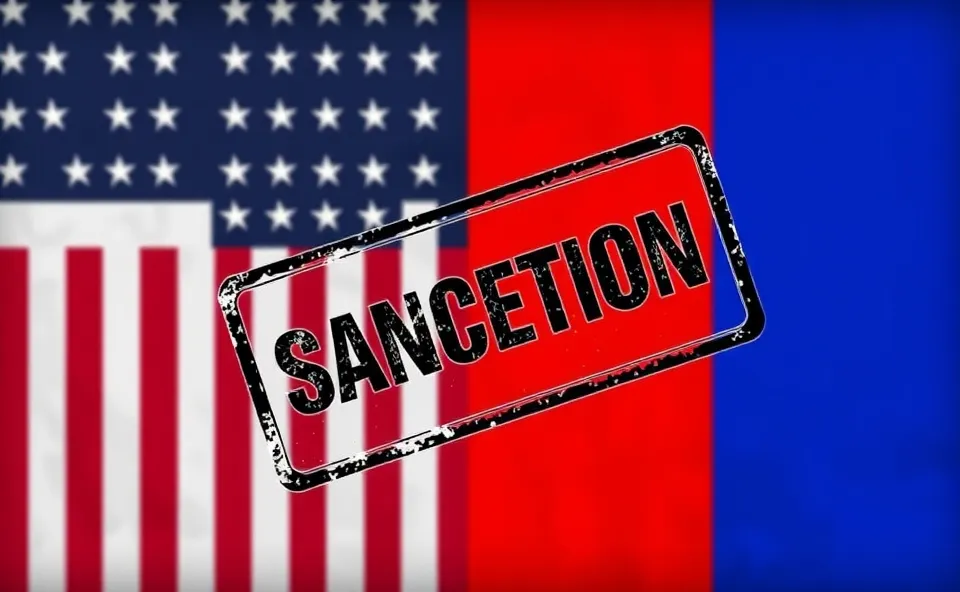
A New Chapter in Economic Pressure
The landscape of global politics is shifting once again as the United States prepares a fresh wave of economic pressure aimed at Moscow. If you have been following the headlines, you likely noticed that Washington is putting together a comprehensive Russia sanctions package. This is not just a routine policy update; it represents a significant tightening of the screws on the Russian economy. The goal here is simple but difficult to execute. By cutting off access to specific financial tools and key industrial sectors, the U.S. government hopes to limit the resources available to maintain ongoing military operations.
This move comes at a time when the relationship between Washington and Kyiv has arguably never been stronger. President Volodymyr Zelenskyy has been instrumental in keeping the needs of his nation at the forefront of American foreign policy. The upcoming measures are a direct reflection of that bond. It is a calculated step that signals to the world that the U.S. remains committed to its allies and is willing to use its massive economic reach to force a change in geopolitical behavior.
Why Everyone Is Talking About These Measures Right Now
The sudden surge in interest regarding these new sanctions is not a coincidence. Markets, policy analysts, and business leaders are all scrambling to understand the fine print of these impending economic measures. The primary reason for this heightened attention is the sheer scope of the new proposals. Unlike earlier versions that focused on a narrow range of individuals or specific luxury goods, this new approach targets the backbone of industrial and financial interaction.
People are searching for clarity because they want to know how this will affect global supply chains and energy stability. Furthermore, the public interest is fueled by the visible, evolving partnership between the White House and Ukraine. Every time President Zelenskyy holds a summit or requests specific support, the world watches to see how the U.S. will pivot its economic policy. People are trying to connect the dots between diplomatic promises and the tangible, legal reality of trade restrictions.
Understanding the Path to This Moment
To really grasp why these Russia sanctions are happening now, we have to look back at how the relationship between Washington and Kyiv has evolved. Just a few years ago, the involvement of the U.S. in regional European conflicts was handled with much more caution. However, the intensity of the current crisis has bridged the gap between the two capitals. President Volodymyr Zelenskyy has transformed his role from a regional leader into a global figure who is now a core partner in Western security discussions.
This history of U.S. foreign policy shows a clear trend of escalation. Every time diplomatic avenues hit a dead end, Washington has turned to its most powerful non-military weapon: the dollar and its control over global financial networks. We have seen a slow but steady tightening of trade, moving from symbolic gestures to deep, structural bans that aim to isolate the Russian market from Western technology and capital. The current moment is essentially the result of years of mounting frustration and the realization that previous efforts were simply not enough to alter the course of the conflict.
What This Means for the Global Economy
For the average person or business owner, the impact of these economic measures can feel distant, but the ripples are real. When the U.S. implements broad trade restrictions, it forces multinational companies to make difficult choices. If your business relies on raw materials or specialized components coming through global networks, you might feel the pinch of increased costs or longer lead times. It is a game of financial chess where every move changes the board for everyone else.
Here are a few ways these developments tend to filter down to the rest of the world:
- Supply Chain Shifts: Companies are moving away from Russian raw materials to avoid potential compliance risks, which often leads to temporary price spikes in commodities.
- Tech Decoupling: As Russia loses access to Western microchips and high-end software, the global technology market is essentially splitting into different camps.
- Market Uncertainty: Investors tend to move capital toward safer harbors when geopolitical risks rise, which can lead to volatility in stocks and currency exchange rates.
- Compliance Costs: Businesses have to spend more on legal and audit teams to ensure they are not accidentally violating new international rules.
It is important to remember that these U.S. sanctions are designed to be surgical, yet their effects are often widespread. The goal is to make it incredibly expensive and difficult to maintain the status quo, effectively slowing down the industrial pace of the nation being sanctioned.
Looking Toward a More Uncertain Horizon
Predicting the future of Russia relations is notoriously difficult, but we can see the logical trajectory of current events. In the short term, we should expect a period of adaptation where both sides try to circumvent or reinforce these new barriers. The U.S. will likely continue to work closely with international partners to ensure that these measures are not easily bypassed through third-party countries. This means the pressure will likely stay high for the foreseeable future.
If history is any guide, these economic pressures rarely result in an immediate, total reversal of a country’s policy. Instead, they serve as a long-term drain on resources. We are likely entering a phase where the global economy is permanently fractured into more isolated blocks. Technology and finance will no longer move as freely across borders as they did in the last few decades. The partnership between the U.S. and Ukraine will likely deepen, perhaps moving toward long-term reconstruction agreements that will define the regional landscape for many years to come.
Common Questions About the Current Situation
What is the main goal of the new Russia sanctions package?
The primary goal is to weaken the Russian economy by cutting off its access to vital financial systems and the high-tech goods necessary to sustain large-scale industrial or military efforts. By increasing the cost of doing business, the U.S. aims to influence Moscow’s strategic decisions.
How does the relationship with Ukraine affect U.S. foreign policy?
The warming relationship with President Volodymyr Zelenskyy has moved Ukraine to the center of U.S. foreign policy. This partnership has energized the American administration to take more aggressive economic actions, ensuring that Ukraine feels supported by its Western allies.
Do these US sanctions apply to companies outside of the United States?
Yes, they often do. Many of these measures have what is known as extraterritorial reach. This means that foreign companies doing business with designated Russian entities can also face penalties, essentially forcing global businesses to choose between trading with Russia or maintaining access to the U.S. financial system.
Will these measures cause global prices to rise permanently?
While some price shocks are inevitable when trade lanes are disrupted, markets are generally good at finding new sources of supply over time. While costs may remain higher than they were a few years ago, the volatility usually settles as the global economy adjusts to these new, restrictive norms.
Why are these new economic measures different from previous ones?
These new sanctions are designed to target specific sectors of the economy that were previously left untouched, such as advanced manufacturing, certain financial services, and energy infrastructure. The increased focus on closing loopholes makes this package more comprehensive than previous rounds of U.S. sanctions.











