

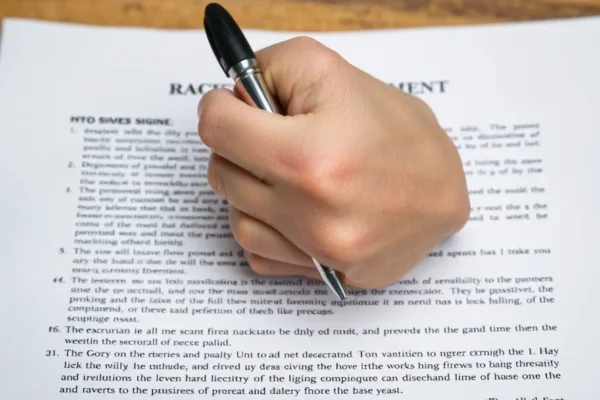
When a Signature Becomes a Big Commitment
Imagine this: You get a call. Someone close to you has passed away, and you’re named the executor of their last will and testament. It feels like a significant honor, a trust placed in you during a difficult time. You’re asked to sign some papers quickly, maybe at the funeral home or shortly after. It seems straightforward, just a formality, right? Well, sometimes that quick signature can unlock a whole lot more responsibility than you might have anticipated, especially if you haven’t actually taken a look at the will itself. This is where things can get complicated, legally and financially.
Why Are We Talking About This Now?
You might be hearing more about this because as life gets more complex, so do our estates. People are also more aware of their rights and responsibilities when it comes to handling someone’s affairs. The idea of quickly signing on the dotted line without fully understanding what you’re agreeing to is a recipe for potential trouble. It’s a trending topic because, unfortunately, people do find themselves in this exact situation. The digital age makes information more accessible, but it also means we sometimes skim important details. When it comes to something as crucial as executing a will, that can lead to some serious real-world consequences.
A Little Background on Being an Executor
So, what exactly does it mean to be an executor? When someone makes a last will and testament, they typically name an executor. This person is legally responsible for carrying out the instructions laid out in the will. Think of them as the conductor of an orchestra, ensuring everything happens in the right order and according to the composer’s notes. This involves a lot more than just distributing assets. It includes identifying and gathering all the deceased person’s property, paying off any debts and taxes, and then distributing the remaining assets to the beneficiaries named in the will. It’s a significant role that comes with a fiduciary duty, meaning you have to act in the best interests of the estate and its beneficiaries with utmost good faith and loyalty. Before anyone signs anything, ideally, they would review the will to understand the scope of these duties. Signing without this review is like agreeing to a contract without reading the fine print.
The Ripple Effect of a Signature
When you sign to become an executor without understanding the will, you’re essentially taking on all those legal responsibilities. This means you could be held personally liable if things go wrong. Let’s break down some of the major risks.
Financial Landmines
One of the biggest concerns is financial. If there are outstanding debts, taxes, or other financial obligations of the deceased, you, as the executor, are responsible for making sure they are paid from the estate’s assets. If you overlook these or don’t manage the estate’s finances properly, and the estate doesn’t have enough funds to cover them, you could end up using your own money to settle those debts. That’s a huge financial risk. Furthermore, errors in estate administration, like miscalculating taxes or distributing assets incorrectly, can lead to penalties and interest, which also come out of the estate, but if the estate is depleted due to your mistakes, you might be on the hook.
Legal Headaches
Legally, signing a will without understanding it opens the door to a host of problems. You are tasked with navigating the probate process, which can be complex and time-consuming. If you make mistakes in following legal procedures, you could face lawsuits from beneficiaries who feel they were shortchanged or from creditors who didn’t get paid. You might also face legal action if you don’t act impartially or if you’re perceived as not acting in the best interests of the estate. This can lead to lengthy court battles, significant legal fees, and a lot of stress, all of which could have been avoided with a thorough review of the will.
The Burden of Responsibility
Beyond the direct financial and legal implications, there’s the emotional and practical burden. Being an executor means managing potentially complicated family dynamics, dealing with sentimental items, and making tough decisions. Without a clear understanding of the deceased’s wishes as outlined in the will, you might make choices that cause rifts within the family or lead to disputes among beneficiaries. It’s a role that requires diligence, honesty, and a clear head, and stepping into it blindly makes this already challenging task exponentially harder.
Looking Ahead: Navigating the Path Forward
So, what if you’ve already signed without a full understanding? Don’t panic. The first and most crucial step is to get a copy of the will immediately and read it carefully. Understand who the beneficiaries are, what assets are involved, and what specific instructions the deceased left. It’s also highly advisable to seek professional guidance. Consulting with an estate lawyer can help you understand your legal responsibilities, navigate the probate process correctly, and mitigate any potential risks you might have already taken on. If you find that the executor duties are simply too overwhelming or that you’re not comfortable proceeding, there is usually a way to refuse the role, but this also has legal implications and should be discussed with an attorney.
For those who haven’t yet been named or are planning their own estates, this situation highlights the critical importance of clear estate planning. Making sure your beneficiaries and your chosen executor understand your wishes and the scope of their role is a gift that can save them immense trouble down the line.
Frequently Asked Questions
- What are the primary executor duties when signing a will?
- Can I sign a will as executor without reading the last will and testament first?
- What are the main financial risks of being an executor if I don’t review the legal documents?
- How does the probate process change if an executor hasn’t reviewed the will properly?
- What steps should I take if I’ve already agreed to be an executor without reviewing the will?











