

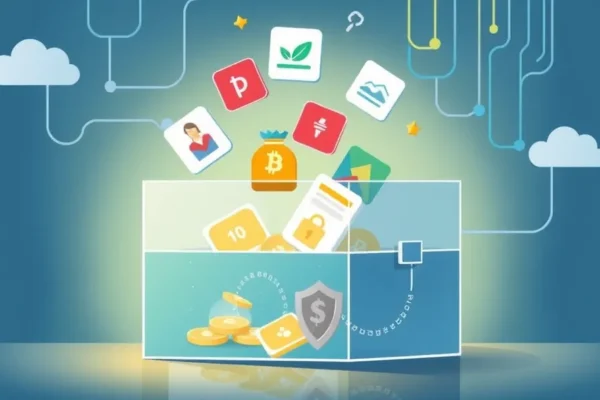
Preparing for the inevitable in a digital world
Most of us spend our lives building a digital footprint that is just as significant as our physical possessions. We have thousands of photos stored in the cloud, professional networks that span continents, financial accounts tied to apps, and perhaps even some crypto legacy investments tucked away in a digital wallet. Yet, when we talk about planning for the future, we often focus on houses and bank accounts while leaving our virtual life in a state of total chaos.
Digital estate planning is simply the process of deciding what happens to your online presence and digital assets once you are no longer around. It involves creating a map for your family or friends to follow so they can access, manage, or delete your accounts without needing to jump through hoops. Think of it as leaving a digital key under the mat for the people you trust most.
Why everyone is suddenly talking about their online legacy
The urgency around this topic has exploded recently because our lives have migrated almost entirely online. A decade ago, a person’s legacy was found in paper files and photo albums. Today, that legacy is trapped behind layers of two-factor authentication and complex password requirements. People are searching for answers because they have witnessed the frustration of friends who spent months trying to unlock a loved one’s phone or retrieve precious family photos from a locked account.
Beyond the logistical headache, there is the issue of security. We are more aware than ever of identity theft and data privacy. People want to ensure their information does not just vanish or, worse, become a target for hackers after they pass away. The conversation has shifted from “should I do this” to “how do I do this as quickly as possible” because we recognize that our online identity is a valuable part of who we are.
The shift from physical to virtual permanence
In the past, estate planning was straightforward. You gathered your physical deeds, put them in a fireproof safe, and told your family where the key was hidden. Technology has upended that traditional model. When the internet was in its infancy, most people did not have enough valuable digital assets to worry about. We treated our social media accounts as fleeting platforms rather than historical archives.
As we moved into the era of cloud computing, our reliance on third-party services became total. We stopped owning the software and started renting space on company servers. This created a hurdle. Most tech companies have very strict terms of service that prevent people from sharing passwords. If you do not have a clear plan for your digital inheritance, you are essentially asking your family to battle multinational corporations to regain access to your personal property. Understanding this context helps you realize that your digital footprint is not just yours; it is a shared responsibility with the platforms you use.
The real cost of leaving your digital house messy
The impact of ignoring this planning phase is felt most heavily by your loved ones. When you fail to appoint a digital executor or leave behind a clear roadmap, your family members are often forced to deal with customer support teams that are not trained to handle death. This adds an immense amount of emotional stress during an already difficult time. They may lose access to years of digital memories, sentimental emails, or financial documents that are buried in your cloud storage.
From a business perspective, this creates a massive strain on technology companies. They are constantly struggling to balance privacy laws with the rights of family members. For the user, the impact is personal. Without a strategy, your social media accounts after death can remain active indefinitely. This can be jarring for friends who see automated birthday reminders for someone who is no longer there. Taking control means you get to decide whether your profiles are memorialized, deleted, or handed over to a loved one to manage.
Where we go from here
Looking ahead, we can expect technology companies to make this process much smoother. Many platforms have already started introducing features that allow you to designate a legacy contact. These tools will likely become standard across all digital services. We are also moving toward a world where digital asset management is integrated into standard online wills.
The future of digital estate planning will rely heavily on automation and security. Imagine a system where your digital executor is automatically granted access to specific, pre-approved files only after the event is verified. We will likely see more integration between professional estate services and consumer technology, making it easier for everyday people to secure their legacy without needing to be tech experts.
Frequently asked questions about managing your digital life
What is the most important step for starting digital estate planning?
The most important first step is taking an inventory of your digital assets. Write down every account you use, including email, banking, social media, and crypto wallets. Once you have a master list, you can decide which accounts are essential for your family to access and which ones are private.
Do I need a formal online will to protect my digital assets?
While a formal document adds a layer of legal clarity, you do not always need a complex online will to get started. You can begin by using a password management tool that allows you to designate an emergency contact. This ensures that your loved ones can access your credentials safely if they ever need them.
How can I safely share my passwords for digital inheritance?
Never share your passwords in plain text or on a piece of paper that could be easily found by anyone. Use a secure, encrypted password manager that offers an emergency access feature. This allows you to invite a trusted person to request access to your account, which is granted only after a waiting period that you define.
What should I do with my crypto legacy assets?
Cryptocurrency is distinct because it is decentralized. If you lose your private keys, the assets are often lost forever. You should keep your seed phrases in a secure, physical location, such as a fireproof safe, and provide clear instructions to your digital executor on how to recover those funds if something happens to you.
How do I manage social media accounts after death?
Most major social media platforms now have specific settings for this. Look into the settings menu of your accounts for terms like memorialization or legacy contact. By setting this up now, you choose whether you want your page deleted or transformed into a memorial page where friends can share memories in a respectful way.











