

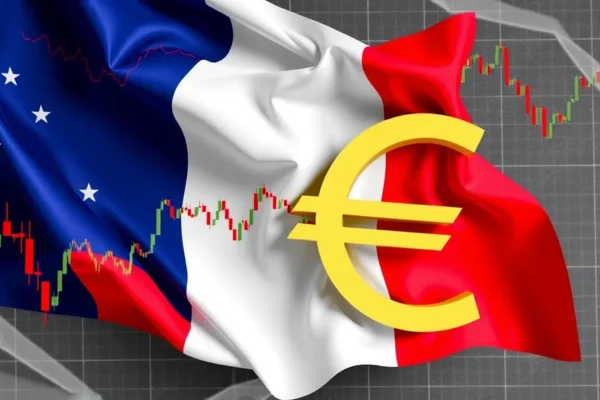
Understanding France’s Bond Market Sell-Off
Imagine a government needs to borrow money. It does this by selling what are essentially IOUs, called bonds. When you buy a bond, you’re lending money to the government for a set period, and in return, they promise to pay you back with interest. The bond market is simply where these IOUs are bought and sold. When many people or institutions want to sell their government bonds all at once, and fewer want to buy them, the price of those bonds tends to fall. This is what’s happening in France‘s bond market recently, leading to worries about broader Eurozone debt stability.
This situation is important because it affects how much it costs governments to borrow money. If the price of bonds falls, the interest rate the government has to pay on new borrowing goes up. Think of it like a popular restaurant suddenly seeing a lot of people wanting to sell their reservation spots for a discount because they heard bad news about the chef. The value of those reservations drops, and if the restaurant wants to fill tables later, they might have to offer free appetizers to attract new customers. Similarly, if France’s bond prices fall significantly, the cost of borrowing for the French government, and potentially other European countries, will rise.
How a Bond Market Sell-Off Works
A pre-election sell-off in the bond market happens when investors become nervous about the future economic or political stability of a country, especially leading up to an election. Investors who hold a country’s bonds might decide to sell them before the election results are known, fearing that a change in government or policy could negatively impact the country’s ability to repay its debts.
Here’s a simplified breakdown:
1. Investor Concern: Investors hear that a particular political party, if elected in France, might implement policies that could increase government debt significantly or, in their view, harm the French economy. They start to worry about the country’s financial health and its capacity to pay back its loans (its sovereign debt).
2. Selling Bonds: To avoid potential losses, these investors decide to sell their French government bonds.
3. Increased Supply, Lower Demand: As more investors try to sell, the supply of French bonds on the market increases. If demand doesn’t keep pace, the price of these bonds starts to drop.
4. Rising Yields: When a bond’s price falls, its “yield” rises. A bond’s yield is the effective interest rate you earn on it. If you buy a bond for a lower price but it still promises to pay the same fixed amount of interest at the end, your return (yield) on that lower price is higher. Governments then have to offer these higher yields to attract new buyers.
Imagine a popular collectible item. If rumors spread that the manufacturer is planning to release a much better version next year, people holding the current version might rush to sell it before its value plummets. This rush to sell drives down the price. In the same way, uncertainty about France’s future can lead investors to sell their French bonds, driving down their prices and increasing the cost for France to borrow. This can create a domino effect across the financial markets.
Why France’s Bond Market Matters to You
While you might not directly own French government bonds, this situation can have ripple effects that touch your own finances and the broader economy.
Personal Impact:
When governments face higher borrowing costs, they might respond by cutting public spending on services (like schools or healthcare) or increasing taxes. For individuals, this could mean less access to certain services or a higher tax burden. If the sell-off leads to significant European instability, it can impact global markets, potentially affecting the value of investments like stocks and mutual funds that individuals hold. Consumer confidence can also decline, leading to reduced spending, which affects businesses and employment.
Economic Impact:
For the French economy, a sustained increase in borrowing costs makes it more expensive to fund essential government functions and infrastructure projects. This can slow down economic growth. More broadly, if France, a major Eurozone economy, experiences financial distress, it raises concerns about the stability of the entire Eurozone. This Eurozone debt issue could lead to a wider debt crisis or market turmoil, making it harder for other European countries to borrow and potentially slowing down the entire European economy. Inflation could also be affected, as higher government borrowing costs can sometimes translate into higher prices for goods and services.
Who benefits and who is affected negatively?
Those who benefit from rising bond yields are investors who buy new bonds at these higher rates, securing a better return on their investment. However, the French government and taxpayers are negatively affected as borrowing becomes more expensive. If the situation escalates, it can negatively impact businesses reliant on consumer spending and potentially lead to job losses.
Historical and Current Context of Sovereign Debt
The concept of sovereign debt, or government borrowing, has existed for centuries. Governments have always needed to finance wars, build infrastructure, and manage their economies. Bonds became a formalized way to do this, with the market for them growing significantly over time. The Eurozone, with its shared currency but independent national governments, presents a unique dynamic. The stability of any single member state’s sovereign debt is crucial for the overall health of the Eurozone.
The current interest in France’s bond market is a direct consequence of recent political developments. Predictions of potential shifts in fiscal policy following upcoming elections have unnerved investors. For instance, the European Central Bank (ECB) has been actively managing interest rates and bond purchases to support the Eurozone economy. However, the independence of national governments means that domestic political decisions can still create significant market reactions. Data from agencies like the European Commission or national statistics offices (like France’s INSEE) track government debt levels and deficits, providing context for market concerns. For example, France’s debt-to-GDP ratio is closely watched by investors and analysts.
Practical Implications for Understanding This Event
When news about a bond market sell-off, particularly concerning a major economy like France, hits the headlines, it’s important to understand what it means beyond the immediate financial jargon.
How to Think About This in Your Financial Life:
For individuals, this event underscores the interconnectedness of global economies. It’s a reminder that geopolitical and political events can have tangible economic consequences. While you can’t directly control these markets, understanding them helps you interpret economic news and its potential, albeit often indirect, impact on your savings, investments, and even the cost of living. It encourages a more diversified investment approach to mitigate risks.
Common Misconceptions and Corrections:
A common misconception is that bond prices falling is always a bad thing for everyone. While it signifies increased borrowing costs for the issuer (France, in this case), it can mean better returns for new bond buyers. Another misconception is that this will immediately cause a personal financial crisis. While significant economic shocks can occur, individual impacts are usually more gradual and indirect, influenced by many other factors.
What to Watch For:
When this topic appears in the news, look for indicators like the “yield spread” between French bonds and those of more stable countries (like Germany). A widening spread suggests investors are demanding a higher premium for holding French debt. Also, monitor statements from the European Central Bank and French government officials regarding their plans to manage debt and ensure fiscal stability.
Related Concepts
Understanding France’s bond market sell-off connects to several other important financial concepts:
- Sovereign Debt: As discussed, this is the debt issued by a national government. A country’s ability to manage its sovereign debt is a key indicator of its financial health.
- Interest Rates: The prices of bonds are inversely related to interest rates. When bond prices fall, yields (interest rates for bondholders) rise, and vice versa.
- Credit Ratings: Agencies like Moody’s or Standard & Poor’s assess the creditworthiness of governments and corporations. A downgrade in a country’s credit rating can trigger bond sell-offs.
- Fiscal Policy: This refers to the government’s use of spending and taxation to influence the economy. Concerns about unsustainable fiscal policy are often at the heart of bond market sell-offs.
- Monetary Policy: Actions taken by central banks, like the European Central Bank, to manage interest rates and the money supply, can influence bond markets.
Common Questions About France’s Bond Market Sell-Off
How does a bond market sell-off in France affect the Eurozone debt situation?
A significant sell-off in France’s bond market can raise concerns about the financial stability of the entire Eurozone because France is one of its largest economies. It can lead to increased borrowing costs for other member states and potentially signal broader weaknesses in Eurozone debt management.
Can this pre-election sell-off lead to a new debt crisis?
While a sell-off increases borrowing costs and creates pressure, whether it escalates into a full-blown debt crisis depends on various factors, including the government’s fiscal response, the resilience of the French economy, and the actions of the European Central Bank. It is a risk that markets and policymakers monitor closely.
What is the difference between a bond price falling and a bond yield rising?
These two concepts are closely linked. When the price of a bond falls, its yield rises. Think of it as buying a fixed stream of income (the bond’s payments) for a lower upfront cost; your effective return (yield) on that lower cost goes up.
How does this situation impact the French economy and its citizens?
For the French economy, higher borrowing costs can mean less government spending on public services or higher taxes. Citizens might experience the effects through changes in public services, taxes, and potentially through broader economic impacts like inflation or slower job growth if confidence falters.
Can individuals invest in or protect themselves from France’s bond market turmoil?
Individuals can’t directly control the French bond market. However, they can diversify their investment portfolios across different asset classes and geographies to reduce risk. Understanding the potential impacts of such events can inform broader financial planning, but it’s not about directly trading these specific bonds.
What are the risks associated with this pre-election sell-off for the Eurozone?
The primary risks include contagion, where fear spreads to other Eurozone countries’ bond markets, leading to higher borrowing costs across the bloc. It could also destabilize the euro currency, dampen economic growth, and potentially strain the banking sector if sovereign debt values decline significantly.
This article provides general educational information and is not intended as financial advice. Financial situations are highly individual, and market conditions are constantly evolving. For personalized guidance on your financial decisions, please consult with a qualified financial professional.











