Chinese Carmakers’ Premium Pitch in Europe
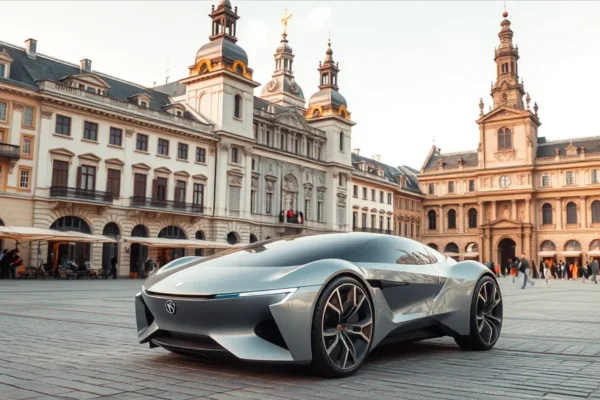
Chinese automakers are increasingly setting their sights on the lucrative European premium car market, a territory historically dominated by established German, Swedish, and British brands. The core of their strategy hinges on leveraging advanced automotive technology, particularly in the realm of electric vehicles (EVs), to appeal to European consumers who are increasingly embracing sustainable and technologically sophisticated mobility. This move represents a significant evolution in the global automotive landscape, challenging long-held perceptions of Chinese manufacturing and brand positioning.
The Strategic Offensive: Announcing the European Push
Several Chinese automotive companies, including NIO, XPeng, BYD, and Geely (through its various brands like Volvo and Polestar), have made concrete announcements and taken tangible steps toward establishing a strong presence in Europe. These efforts, ongoing since the late 2010s and accelerating in the past two years, are not isolated incidents but a coordinated strategic offensive. For instance, NIO officially launched its brand and services in Norway in 2021, followed by Germany, the Netherlands, Sweden, and Denmark in 2022. XPeng similarly debuted in Norway in 2020 and expanded into Sweden, the Netherlands, Denmark, and Germany in subsequent years. BYD, a global leader in battery manufacturing, has also been actively launching its electric models across multiple European countries, including Norway, Sweden, Denmark, the Netherlands, Belgium, and Germany, with plans for further expansion. These launches are often accompanied by significant investment in charging infrastructure and customer service networks, signaling a long-term commitment. These announcements are typically made through company press releases and investor briefings, often reported by major automotive news outlets like Automotive News Europe and Reuters.
The “Why”: Pursuing High Margins and Brand Prestige
The strategic rationale behind this ambitious European premium car market entry is multifaceted. Firstly, the premium segment offers higher profit margins compared to mass-market vehicles, allowing Chinese automakers to build financial strength and reinvest in research and development. Europe’s premium car market is not only large but also characterized by high consumer spending power and a receptive attitude towards cutting-edge automotive technology. Secondly, establishing a foothold in Europe, a region known for its stringent quality standards and discerning consumers, lends credibility and prestige to Chinese brands. Successfully competing here can significantly enhance their global brand image, which is crucial for future international expansion. The current industry trend towards electric vehicles provides a unique window of opportunity. European regulators and consumers are actively pushing for electrification, creating a fertile ground for new EV brands that can offer compelling technology and design without the legacy constraints of traditional automakers. This proactive approach allows Chinese automakers to bypass the challenge of transitioning their existing internal combustion engine (ICE) portfolios and instead lead with their strengths in EV technology.
The Competitive Arena: Challenging the Incumbents
This strategic move directly challenges the established European premium automakers, such as BMW, Mercedes-Benz, Audi, and Porsche. These legacy brands have long enjoyed brand loyalty and a reputation for engineering excellence and luxury. However, Chinese EV brands are entering the market with technologically advanced vehicles, often featuring larger battery packs, faster charging capabilities, and sophisticated digital interfaces at competitive price points. For instance, NIO’s ES8 SUV and XPeng’s G9 SUV are positioned as premium electric SUVs that offer comparable or even superior range and performance to some European counterparts, often at a lower price. BYD’s aggressive expansion with models like the Atto 3 and Seal also aims to capture market share from popular European compact and mid-size EVs. The influx of these new players intensifies competition, potentially leading to price pressures and forcing established brands to accelerate their own EV development and cost-reduction strategies. The “premium mobility” sector is also seeing new definitions, with Chinese entrants focusing on integrated digital experiences and subscription services that appeal to a younger, tech-savvy demographic.
Industry Reshaping: A New Era of Auto Tech Innovation
The aggressive market entry of Chinese automakers into the European premium car market signals a significant shift in global automotive trends. It underscores the rapid advancements in auto tech innovation originating from China, particularly in battery technology, electric drivetrains, and software integration. European consumers are increasingly recognizing Chinese EV brands as legitimate contenders, blurring the lines between traditional automotive powers and emerging players. This development is likely to spur greater competition and accelerate the pace of technological adoption across the entire industry. Competitors will be forced to innovate faster, not only in terms of powertrain but also in user experience, connectivity, and autonomous driving features. The success of Chinese automakers in this segment could also encourage other emerging market players to target similar premium segments, further diversifying the global automotive landscape and creating new dynamics in market entry strategy.
Financial and Operational Plays: Investment and Market Share
The financial and operational implications of this European premium market entry are substantial. For Chinese automakers, it represents a significant investment in establishing sales networks, service centers, charging infrastructure, and marketing campaigns. Companies like NIO have detailed plans for substantial capital expenditure to build out their European operations. Achieving profitability in this segment will depend on their ability to scale sales volumes efficiently and manage costs. Long-term, success could lead to significant revenue growth and improved profitability, diversifying their revenue streams away from a sole reliance on the Chinese domestic market. Operationally, it requires navigating complex European regulations, adapting products to local tastes and safety standards, and building a strong brand reputation in a highly competitive environment. The short-term financial impact may involve substantial upfront costs and potentially lower initial margins as they establish their presence, while the long-term outlook hinges on their ability to capture meaningful market share and achieve economies of scale.
Execution Risks and Hurdles: The Long Road to Acceptance
Despite their technological prowess, Chinese automakers face significant execution risks and challenges in the European premium car market. Brand perception remains a key hurdle; historical perceptions of lower quality can be difficult to overcome, even with advanced technology. Building trust and a strong brand image takes time and consistent delivery. Operational challenges include navigating diverse European regulatory frameworks, establishing robust and efficient supply chains, and developing a comprehensive after-sales service network that meets the high expectations of premium customers. Furthermore, the geopolitical climate and potential trade tensions could introduce unforeseen risks. For example, if the European Union imposes tariffs or other trade barriers on Chinese vehicles, it could significantly impact their competitiveness. While companies like Geely have a longer track record in Europe through brands like Volvo, newer entrants like NIO and XPeng are still building their operational muscle and brand recognition, and past attempts by Chinese brands to enter Western markets have met with mixed success, highlighting the difficulty of sustained market penetration.
Stakeholder Ripples: Shifting Loyalties and Investor Confidence
This strategic move impacts a broad range of stakeholders. For European consumers, it introduces more choice in the premium EV segment, potentially leading to better value and innovation. However, it also raises questions about the future of established European automotive jobs and brands. Employees within these companies may face increased pressure to innovate and adapt. For investors, the success of Chinese automakers in Europe could unlock new growth avenues and enhance global valuations. Conversely, established European automakers and their investors will be closely watching these developments, as market share shifts could impact their financial performance and strategic direction. Building strong relationships with European dealers, suppliers, and charging infrastructure providers will be crucial for long-term partnerships and customer satisfaction.
Looking Ahead: Milestones and Measurable Outcomes
The next steps for Chinese automakers in the European premium car market will involve consolidating their initial market entry and demonstrating sustained growth and customer satisfaction. Key milestones to watch include the expansion of their dealer and service networks, the introduction of new models tailored to European preferences, and the achievement of specific sales volume targets in key markets. Indicators of success will include increasing market share in the premium EV segment, positive reviews from automotive critics, and a growing base of loyal customers. Achieving brand recognition comparable to established European luxury brands within the next five to seven years would signal a significant strategic victory. Investors will also be looking for evidence of profitability and sustainable revenue growth from their European operations. Measuring success will require tracking sales figures, customer satisfaction surveys, and brand perception studies across major European countries.
Key Strategic Questions and Answers
Will Chinese automakers succeed in the European premium car market?
Their success will depend on their ability to overcome brand perception challenges, build robust service networks, and offer compelling value propositions in terms of technology and price. Early signs of market acceptance are encouraging, but long-term dominance is far from guaranteed.
Why are Chinese automakers focusing on electric vehicles for their European premium push?
Europe’s strong commitment to electrification, coupled with Chinese automakers’ advanced capabilities in EV technology and battery production, makes EVs the most logical and competitive entry point into the premium segment. It allows them to showcase their strengths without the baggage of legacy internal combustion engine technologies.
What are the biggest risks Chinese automakers face in Europe?
The primary risks include overcoming deep-rooted brand loyalty to established European manufacturers, navigating complex regulatory environments, establishing a reliable after-sales service infrastructure, and potential geopolitical trade tensions. Execution in building a premium brand experience is critical.
How will this affect European car manufacturers?
It intensifies competition, potentially leading to price pressures and a faster pace of innovation. European carmakers will need to accelerate their EV strategies, focus on differentiation through unique brand experiences, and potentially explore collaborations to remain competitive in the evolving premium mobility landscape.
When can we expect to see significant market share gains?
Significant market share gains will likely take several years, possibly five to ten. Building brand loyalty and a comprehensive sales and service network in Europe is a gradual process that requires sustained investment and consistent delivery of quality products and experiences. Early traction in niche segments is more probable in the short to medium term.
What is the role of automotive technology in this market entry strategy?
Advanced automotive technology, particularly in electric vehicles, battery systems, autonomous driving features, and digital connectivity, is the cornerstone of Chinese automakers’ strategy. It allows them to compete on innovation and performance, directly appealing to European consumers seeking the latest in premium mobility.
Business outcomes are subject to execution risk and market dynamics.