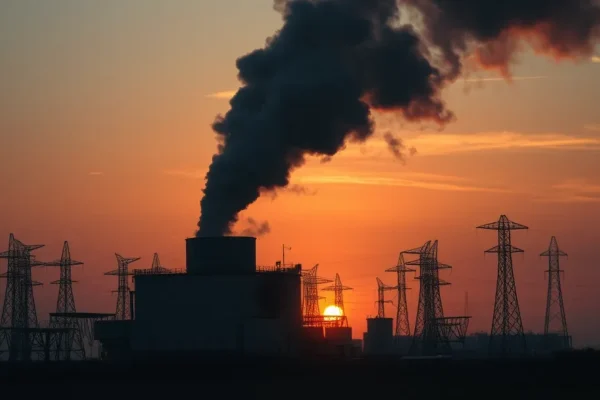
Russia’s escalated attacks on Ukraine’s energy infrastructure represent a significant strategic development with far-reaching implications for regional power stability and the broader Russia-Ukraine war. This intensified assault, detailed in recent briefings by Ukrainian President Volodymyr Zelenskiy, targets the foundational elements of Ukraine’s economy and societal functioning, aiming to cripple its ability to withstand the conflict and recover.
Ukraine’s Energy Sector Under Siege
The recent wave of Russian strikes has dramatically escalated its campaign against Ukraine’s energy infrastructure. These attacks, which have become more frequent and sophisticated, are not isolated incidents but rather a concentrated effort to dismantle the nation’s power generation and distribution capabilities. President Zelenskiy, in a recent address, highlighted the severity of these assaults, emphasizing the widespread utility disruption affecting millions of Ukrainians. The primary targets include thermal power plants, hydroelectric facilities, and critical substations that form the backbone of the country’s power grid. This strategic targeting is designed to create sustained blackouts, impacting everything from residential heating and lighting to industrial production and military logistics.
The Strategic Rationale Behind the Attacks
From a strategic perspective, Russia’s focus on Ukraine’s energy sector is a calculated move aimed at achieving several objectives. Firstly, it serves as a tactic to degrade Ukraine’s war-fighting capacity. Reliable power is essential for maintaining communication networks, operating defense systems, and supporting industrial output crucial for the war effort. By undermining this, Russia seeks to impose greater hardship on the Ukrainian population, potentially eroding public morale and international support for Kyiv. Secondly, these attacks are intended to exert economic pressure. Crippling the energy sector directly impacts industrial productivity, a key component of any nation’s economic resilience. This can lead to a prolonged energy crisis, straining Ukraine’s financial resources and its ability to fund essential services and reconstruction efforts. Furthermore, by destabilizing the energy supply, Russia aims to create a narrative of chaos and vulnerability, influencing geopolitical calculations among international partners and potentially fostering a sense of hopelessness. The attacks are a clear demonstration of asymmetric warfare, seeking to inflict maximum damage with targeted infrastructure assaults rather than direct large-scale combat. This strategic rationale is clearly articulated by the consistent pattern of strikes on vital energy assets.
Competitive Dynamics in the Geopolitical Arena
The escalation of attacks on Ukraine’s energy sector intensifies the ongoing geopolitical competition. Russia, by directly targeting energy infrastructure, is attempting to alter the strategic balance by weakening Ukraine’s resilience and potentially forcing a shift in diplomatic or military approaches. This move places Ukraine and its international allies in a reactive position, requiring them to divert resources towards repair and protection, rather than offensive or economic development initiatives. For Ukraine, the ability to maintain energy independence and a functioning power grid is a critical component of its national sovereignty and its competitive positioning in resisting aggression. The success or failure of these attacks directly impacts Ukraine’s ability to sustain its defense and its economic viability. Allies providing financial and military aid are now also indirectly supporting Ukraine’s energy sector through repair assistance and advanced defensive systems aimed at protecting critical infrastructure. The competitive landscape is thus defined by Ukraine’s struggle for energy security against Russia’s attempts to weaponize energy supply.
Industry Implications for Regional Energy Stability
The attacks on Ukraine’s energy sector send significant signals about industry trends and vulnerabilities within the broader European energy landscape. Firstly, it highlights the persistent risk of energy infrastructure being used as a weapon in geopolitical conflicts, underscoring the need for enhanced cybersecurity and physical protection measures for all critical energy assets in the region. Secondly, it accentuates the interconnectedness of regional energy markets. Disruptions in Ukraine can have ripple effects on neighboring countries, potentially impacting electricity transmission lines and energy supply chains. This could lead to increased demand for energy imports by affected nations, influencing global energy prices and further straining an already volatile market. Industry peers are likely to respond by accelerating investments in grid resilience, diversification of energy sources, and perhaps more robust international cooperation on energy security. The events also reinforce the argument for investing in decentralized energy generation and renewable energy sources, which are often less vulnerable to large-scale attacks than centralized power plants. The long-term implication is a heightened focus on energy security as a paramount concern for national and regional stability, shaping future investment and policy decisions across the energy sector.
Financial and Operational Impact
The financial and operational implications for Ukraine are severe. The cost of repairing damaged energy infrastructure is astronomical, placing immense strain on national budgets and requiring substantial international financial assistance. According to reports from the Ukrainian Ministry of Energy, billions of dollars in damages have already been incurred, with each new wave of attacks adding to this figure. Operationally, the repeated utility disruption leads to significant productivity losses across all sectors of the economy. Industries face extended downtime, supply chains are interrupted, and the ability to conduct daily life is compromised. This directly impacts tax revenues and overall economic output, hindering Ukraine’s ability to fund its defense and provide essential services. In the short term, the focus is on emergency repairs and ensuring basic power supply. In the long term, the consistent damage to energy assets poses a significant hurdle to economic recovery and reconstruction, potentially deterring foreign investment due to perceived instability and risk. The financial impact extends beyond immediate repair costs to include lost economic activity and increased operational expenses for businesses struggling with unreliable power.
Execution Risks and Challenges
The execution of Russia’s strategy to cripple Ukraine’s energy sector, while tactically impactful, faces considerable execution risks and challenges. Ukraine, with significant international support, has demonstrated remarkable resilience in repairing its energy infrastructure. The speed and effectiveness of these repairs, bolstered by advanced Western technology and expertise, often outpace Russia’s ability to inflict lasting damage. Furthermore, Ukraine has been actively working to decentralize its energy supply and harden critical assets, making them more difficult targets. The risk for Russia is that these attacks may not achieve their desired strategic outcomes of breaking Ukrainian resolve or significantly degrading its military capability. Instead, they risk galvanizing international support for Ukraine and strengthening its resolve. Historically, attempts to weaponize essential services have often led to humanitarian crises but have rarely proven decisive in achieving outright military or political victory without significant broader consequences. Organizationally, Russia faces the challenge of maintaining a sustained campaign of high-precision strikes, requiring continuous intelligence gathering and logistical support. Market risks include potential retaliatory measures or increased sanctions, while regulatory risks could involve greater international intervention to protect civilian infrastructure.
Stakeholder Implications
The sustained attacks on Ukraine’s energy infrastructure have profound implications for a wide range of stakeholders. For Ukrainian citizens, the immediate impact is the loss of heating, lighting, and communication, severely impacting daily life and creating significant hardship, especially during colder months. This also affects the provision of essential services like healthcare and education. For employees in affected industries, job security and working conditions are jeopardized by operational disruptions. Customers and clients face unreliable access to goods and services. International partners and investors are concerned about the long-term stability and viability of Ukraine’s economy and its ability to attract and sustain investment. The impact on investor sentiment is likely to be negative in the short term, as the perceived risk increases. However, it may also spur greater investment in Ukraine’s reconstruction and resilience efforts in the medium to long term, particularly in sectors related to energy security and infrastructure development. For the Ukrainian government, it represents a significant challenge in maintaining public order and economic stability, while also demanding continued diplomatic engagement to secure international aid and support.
Outlook and Next Steps
If Russia’s strategy of targeting energy infrastructure proves effective in significantly degrading Ukraine’s capabilities and morale, we might see a prolonged and more attritional phase of the conflict. Key milestones to watch would include the duration and extent of widespread blackouts, the ability of Ukraine to repair and protect its grid under duress, and the impact on Ukrainian industrial output and military operations. Indicators of success for Russia would be a demonstrable decline in Ukraine’s fighting capacity and a shift in international public opinion towards a negotiated settlement on Moscow’s terms. Conversely, if Ukraine’s resilience and repair efforts continue to outpace the damage, and international support for energy security strengthens, it would signal a strategic failure for Russia’s energy warfare. Measurable outcomes to monitor include the average duration of power outages, the percentage of energy infrastructure restored, and Ukraine’s export capacity for electricity, if applicable. The timeline for assessing the full impact will likely extend over several months, if not longer, as the full economic and social consequences unfold.
Key Questions and Answers
Will Russia’s continued power grid attacks succeed in crippling Ukraine’s energy sector?
While Russia’s attacks inflict significant damage and cause widespread utility disruption, Ukraine’s demonstrated resilience in repairs, coupled with international aid for energy infrastructure, suggests that a complete crippling of the energy sector may be difficult to achieve. The strategic rationale for Russia is clear, but execution faces Ukraine’s determined efforts and external support.
What are the main economic implications for the regional economy due to these attacks?
The economic implications are substantial, including increased energy prices, supply chain risk, and potential energy crises in neighboring countries due to disruptions. Ukraine faces immense costs for repairs and lost productivity, impacting its national economy and its ability to recover.
How does this strategy compare to Russia’s previous approaches in the Russia-Ukraine war?
This represents an escalation in targeting critical civilian infrastructure, shifting from primarily military objectives to deliberately inflicting economic hardship and societal disruption. It’s a tactic to undermine Ukraine’s resilience and war effort through energy sector attacks.
What is the primary motivation behind targeting Ukraine’s energy infrastructure?
The primary motivation is to degrade Ukraine’s ability to wage war, cripple its economy, reduce public morale, and exert geopolitical pressure on Ukraine and its allies. It’s a strategy aimed at forcing concessions or weakening the will to fight.
What are the most significant execution risks for Russia in this strategy?
The main execution risks include Ukraine’s robust repair capabilities, continued international support for energy security, and the potential for these attacks to further unite the international community against Russia and strengthen Ukrainian resolve.
How long might it take to see the long-term financial impact on Ukraine’s energy sector?
The long-term financial impact could be felt for years, as substantial investment will be needed for reconstruction, modernization, and enhancing the resilience of the energy infrastructure. The ongoing conflict and its associated risks will continue to influence investment decisions.
Business outcomes are subject to execution risk and the dynamic nature of the geopolitical landscape.