The Tesla Roadster is About to Get Seriously Speedy
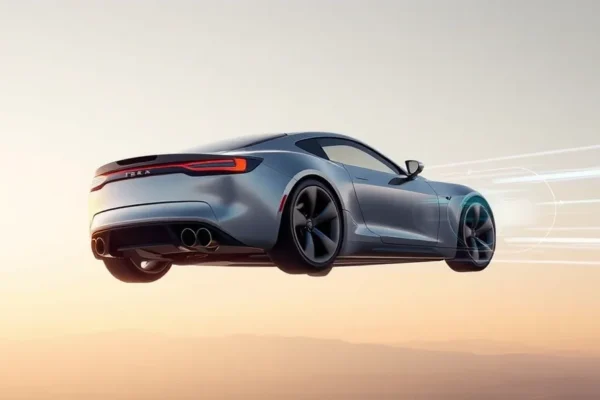
Tesla has been talking about a new Roadster for a while, but the latest buzz is about something truly wild: the idea of it “flying.” Now, before you picture a DeLorean with wings, let’s clarify. This isn’t about defying gravity in the way you might think. Tesla’s approach to making the 230-mph Roadster feel like it’s flying, especially with the optional SpaceX package, is all about mastering the air around the car. It’s about using the very air you’d normally flow through to push you down into the road for incredible grip, and then, in a surprising twist, using that air to give you an extra kick.
This is designed for the ultimate car enthusiast, someone who dreams of pushing the boundaries of speed and performance. It’s for those who crave the most exhilarating driving experience imaginable. You should care about this right now because it represents a bold step in automotive innovation, blurring the lines between a high-performance electric vehicle and something that feels more like a jet on wheels. It’s a glimpse into what future cars might achieve.
How the Roadster “Flies” and What That Means for You
So, how does Tesla achieve this feeling of “flying” at insane speeds? It’s not about actual flight, but about an extreme mastery of aerodynamics, particularly with the optional SpaceX package. Think of it like this: when a regular car goes fast, air can push it upwards, making it feel lighter and less stable. The Roadster, however, is designed to do the opposite.
It uses what engineers call “downforce.” Imagine the car is wearing a giant, invisible suction cup underneath it. The way the underside of the car is shaped, combined with strategically placed wings and spoilers (especially on the SpaceX version), forces air to move faster underneath than over the top. This creates lower pressure below the car, effectively sucking it down onto the road. It’s like the car is glued to the asphalt, giving you incredible stability and grip even at speeds that would make most other cars lift off.
Now, for the “sucks and blows” part, which is where the SpaceX package really comes into play. Beyond just sucking the car down, Tesla is talking about using compressed air. Imagine tiny, powerful jets on the car that can blow air in specific directions. This “air-bending” technology, combined with the extreme downforce, allows for incredible agility. It’s like having the car’s steering controlled not just by its wheels, but by precisely aimed puffs of air. This lets it corner faster and more precisely than a conventional supercar, making it feel incredibly responsive and planted.
For the everyday driver, this means an unparalleled level of control and confidence at high speeds. If you ever find yourself on a track or a closed course (where such speeds are legally permissible and safe, of course), the Roadster would feel incredibly stable. It’s designed to make you feel more connected to the road, almost as if the car is an extension of your will, reacting instantly to every input. While most of us won’t be hitting 200 mph regularly, this technology translates to better handling and a more secure feeling on twisty roads or even during emergency maneuvers.
Who Should Be Eyeing This High-Tech Thrill Ride
This is definitely not a car for everyone.
Best for: Performance car fanatics, track day enthusiasts, and early adopters who crave bleeding-edge automotive technology and have the budget to match. If you dream of pushing the limits of what’s possible with an electric vehicle and appreciate engineering marvels, the Roadster is for you.
Good for: Those who appreciate extreme automotive innovation and want to experience a supercar that happens to be electric. If you have the financial means and a passion for groundbreaking technology, it offers an experience unlike any other.
Skip if: You need a practical daily driver, have budget constraints, or are looking for a comfortable, quiet, and understated vehicle. This is a specialized, high-performance machine. If you prioritize fuel efficiency (though it’s electric!), passenger space, or a simple, no-fuss driving experience, look elsewhere.
How the Roadster Stacks Up Against the Competition
The Tesla Roadster, especially with the SpaceX package, aims to redefine the electric supercar segment. Its primary competitors are other ultra-high-performance electric vehicles and traditional gasoline-powered supercars.
Compared to other electric hypercars like the Rimac Nevera or Pininfarina Battista, the Roadster is aiming for a similar level of extreme performance. However, Tesla’s “flying” capabilities with the SpaceX package are a unique selling proposition. While competitors focus on raw power and acceleration, the Roadster is also leveraging advanced aerodynamics and potentially thrust vectoring for a different kind of performance edge.
Against traditional gasoline supercars from brands like Ferrari, Lamborghini, and McLaren, the Roadster offers instant electric torque and a silent, emissions-free experience, which are major advantages. Its ability to handle extreme speeds with such stability, thanks to its aerodynamic design, could give it an edge in certain high-speed situations.
Price Comparison: The Roadster is expected to be a premium-priced vehicle, likely in the six-figure range, and the SpaceX package will undoubtedly add to that cost. While comparable electric hypercars are also very expensive, traditional gasoline supercars offer a wider range of price points. The Roadster’s value proposition lies in its unique blend of electric performance and advanced aerodynamic technology, aiming to offer a technological leap.
Getting Started: More Than Just Turning a Key
The Tesla Roadster is a complex piece of engineering, and while Tesla aims for user-friendly interfaces, accessing its full capabilities, especially those related to the “flying” aspects with the SpaceX package, will likely involve a learning curve.
Ease of Use: For basic driving, expect it to be intuitive, similar to other Teslas. The large central touchscreen controls most functions. However, mastering the advanced aerodynamic features and understanding how they contribute to performance will require dedicated learning. This isn’t a plug-and-play experience for its ultimate potential.
Technical Skills: You won’t need to be a rocket scientist to drive it daily. However, to truly appreciate and utilize features like thrust vectoring or advanced aero modes, a deeper understanding of the vehicle’s systems would be beneficial. Think of it like learning to fly a high-performance drone versus a toy drone; there’s a significant difference in complexity and skill required.
Setup Time: For the car itself, it’s ready to drive off the lot. But to understand and benefit from its most advanced features, you’ll want to spend considerable time with the owner’s manual, potentially attend specialized driving courses, and practice in controlled environments.
The Upside: What You’ll Love About the Speedy Roadster
Here are some of the genuine advantages you’ll likely experience with the Tesla Roadster, based on its advanced design and Tesla’s reputation:
- Unmatched Acceleration: Tesla is known for its quick 0-60 times, and the Roadster is expected to shatter existing records. It’ll feel like a lightning bolt off the line, which is exhilarating for any driver.
- Exceptional Handling and Stability: The advanced aerodynamics, particularly with the SpaceX package, mean the car will feel incredibly planted and stable at high speeds. This translates to confidence in corners and during rapid changes in direction. It works like having invisible hands pressing the car into the ground.
- Cutting-Edge Technology: You’re getting a glimpse into the future of automotive tech. The integration of advanced aerodynamics and electric powertrain innovation is a significant leap forward.
- Sustainable Performance: It’s a supercar that’s also an electric vehicle, offering thrilling performance without tailpipe emissions. This appeals to environmentally conscious performance enthusiasts.
- Unique Driving Experience: The combination of silent operation, instant torque, and aerodynamic mastery creates a driving sensation unlike anything else on the road.
The Downsides: Where the Roadster Might Fall Short
Even with groundbreaking technology, no car is perfect. Here are some potential drawbacks and limitations:
- Extreme Cost: The Roadster is undeniably a luxury item. Its price point will make it inaccessible to the vast majority of consumers, even with potential future budget alternatives.
- Limited Practicality: This is a supercar, not a family hauler. Passenger space will be minimal, cargo capacity will be limited, and daily usability for errands or long trips might be challenging due to its low profile and performance focus.
- Durability and Maintenance Concerns: High-performance vehicles, especially those with cutting-edge technology like advanced aero systems, can be expensive to maintain and repair. Long-term reliability of these novel features remains to be seen. User feedback on other high-performance Teslas suggests that while reliable, specialized repairs can be costly.
- Dependence on Special Conditions: The true “flying” capabilities, especially with the SpaceX package, are likely to be most effective and safe on closed tracks or specialized facilities, not on public roads where such speeds are illegal and dangerous.
The Bottom Line on Price, Value, and Affordability
The Tesla Roadster is poised to be a very expensive electric vehicle. While Tesla hasn’t released final pricing, previous estimates have placed it well into the six-figure range, likely starting above $200,000, with the SpaceX package adding significantly more.
Value Proposition: For its target audience—wealthy performance enthusiasts—the Roadster’s value lies in its unparalleled speed, groundbreaking technology, and exclusive experience. It’s not about commuting; it’s about owning a piece of automotive history and the pinnacle of electric performance.
Hidden Costs: Beyond the initial purchase price, expect high insurance premiums, specialized tire replacements, and potentially costly maintenance for its advanced systems. Charging infrastructure, while readily available for Teslas, will be a factor for long-distance travel.
Budget Alternatives: If the Roadster is out of reach, consider other high-performance EVs like the Porsche Taycan Turbo S or even a high-end Tesla Model S Plaid. For traditional supercar performance, brands like Ferrari and Lamborghini offer options at various price points, though they won’t have the electric powertrain or advanced aero features.
The Verdict: Who Should Buy This Future Machine?
The Tesla Roadster is an incredible feat of engineering, pushing the boundaries of what an electric car can do. Its “flying” capabilities, powered by advanced aerodynamics and the potential of the SpaceX package, promise a driving experience that’s out of this world.
You should buy this if: You are a serious automotive enthusiast with a substantial budget, you crave the absolute bleeding edge of performance and technology, and you have access to tracks or private roads where you can safely explore its incredible capabilities. You want to own a statement piece that represents the future of speed.
You should wait or look elsewhere if: You need a practical car for daily use, are on a budget, or prefer a more traditional and less extreme driving experience. If you’re not planning to track the car or live for the thrill of extreme acceleration and handling, the cost and complexity may not be justified.
This isn’t just a car; it’s an experience, a technological marvel designed for those who want to touch the future of automotive performance.
Common Questions About the Tesla Roadster
What is the “flying” capability of the Tesla Roadster?
The Roadster doesn’t truly fly like an aircraft. Its “flying” sensation comes from extreme downforce generated by advanced aerodynamics, which sucks the car to the road for unparalleled grip and stability at high speeds. The optional SpaceX package introduces air-bending technologies, potentially using compressed air for enhanced agility.
Is the Tesla Roadster truly a “flying car”?
No, it’s not a flying car in the traditional sense. It remains a road-bound electric vehicle that uses aerodynamic principles to achieve a feeling of being incredibly planted and responsive, almost as if it’s defying gravity by being pushed into the ground so forcefully.
How does the “sucks and blows” mechanism work?
The “sucks” part refers to the downforce created by the car’s shape, which pulls it towards the road. The “blows” aspect, primarily with the SpaceX package, suggests the use of directed air (like powerful fans or jets) to further manipulate airflow around the car, providing additional control and thrust vectoring capabilities for sharper cornering.
What is the price of the Tesla Roadster?
Tesla has not released official pricing for the production Roadster, but early estimates and past announcements suggest it will be a very expensive vehicle, likely starting in the mid-to-high six figures, with the SpaceX package adding a significant premium.
How does the Tesla Roadster compare to other electric supercars?
The Roadster aims to compete with other high-performance electric hypercars like the Rimac Nevera. Its key differentiators are its unique aerodynamic “flying” features and Tesla’s established Supercharger network.
Is the Tesla Roadster a practical car for everyday use?
No, the Roadster is designed as an ultra-high-performance supercar. It will have limited passenger and cargo space, a very low ride height, and is optimized for speed and handling rather than practicality for daily commuting or family needs.
Product prices and availability vary by region. Verify current pricing before purchase.