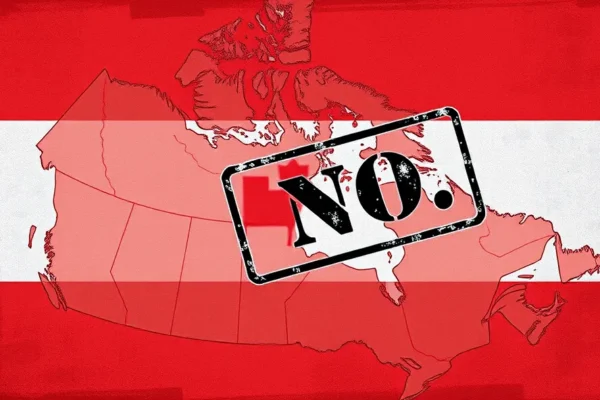
Understanding Political Stability and Economic Risk
When we talk about money, we often focus on interest rates, stock prices, or inflation. However, there is a massive, invisible force that influences all of these: political stability. In simple terms, political stability refers to the predictability of a government’s actions and the smoothness of how a country is run. When a country is stable, laws don’t change overnight, and the structure of the nation remains consistent. When a country experiences political turmoil, that predictability disappears.
To understand why this matters, imagine you are running a large family bakery. You have several branches in different neighborhoods. Everything is going well until one branch decides it no longer wants to be part of the family business and wants to become its own independent shop. This is a form of secession—the act of a group or region breaking away from a larger organization or country.
Suddenly, you don’t know if you will still be able to share flour and sugar with that branch. You don’t know if you will still collect the profits from that location, or if you will have to pay them a fee to use your brand name. This uncertainty makes it very hard to plan for next year’s budget. In the world of finance, investors and citizens feel exactly like that bakery owner. They want to know that the “rules of the game” will stay the same so they can grow their wealth safely.
Understanding this concept is vital because political shifts can change the value of your money, the security of your job, and the price of the goods you buy. When a major region like Alberta participates in a referendum—a direct vote by the people on a specific issue—the entire nation’s economic future is often on the line.
How Political Shifts Change the Financial Landscape
When a region moves toward separation from a larger nation, it sets off a complex chain reaction. It is not just a change in borders; it is a total restructuring of how money moves. To see how this works, let’s look at a hypothetical scenario involving a major oil-rich province.
Imagine a person named Sarah who owns a small business that supplies equipment to energy companies in a western province. Currently, she operates under the laws and the currency of the national government. If a referendum results in that province becoming a separate country, Sarah faces several immediate changes:
- Currency Changes: Instead of using the national dollar, the new province might create its own currency. Sarah would then have to deal with exchange rates, which can change value every second.
- Taxation and Regulations: The new government might set different tax rates or different rules for how businesses operate. This could make Sarah’s costs go up or down unexpectedly.
- Trade Barriers: Moving goods across a new border, even a domestic one, might require new permits, duties, or inspections, which adds time and expense.
In the real world, when early results of a major vote begin to trickle in, markets react instantly. If the results suggest a split is likely, stock prices in affected industries might drop because of the uncertainty. If the results suggest the status quo will remain, markets often “relax” and prices stabilize. This is because the “what if” scenarios are being replaced by a clearer picture of the future.
Why Political Decisions Impact Your Wallet
You might wonder how a vote happening hundreds of miles away affects your personal bank account. The connection lies in how large-scale events influence the broader economy. There are three main ways this hits home:
1. Market Volatility and Investments
Volatility is a term used to describe how much and how quickly prices move up and down. When there is political turmoil, volatility increases. If you have money in a retirement fund or stocks, sudden political shifts can cause the value of your investments to swing wildly. While some investors thrive on these movements, most people prefer steady, predictable growth.
2. The Value of the Currency
The strength of a nation’s currency is tied to its perceived stability. If a large, productive part of a country leaves, the remaining country might appear “smaller” or less economically powerful to the rest of the world. This can cause the value of the national currency to drop. A weaker currency means that anything imported from other countries—like electronics, cars, or even certain foods—becomes more expensive for you to buy.
3. Employment and Industry Stability
In regions that are heavily reliant on a single industry, such as an oil-rich area, political changes can directly affect job security. Changes in how energy is taxed or how pipelines are regulated can lead to companies hiring more people or, conversely, cutting jobs to manage costs. This affects not just the workers in that province, but the entire national economy that relies on those tax revenues.
In this context, figures like Mark Carney, who are often involved in high-level economic discussions, become central to the conversation. Their goal is often to maintain economic stability and reassure markets that the financial system can withstand these political shocks.
The History and Context of Regional Tensions
Political movements regarding separation are rarely sudden. They are usually the result of years of built-up tension regarding how resources are managed and how power is distributed. In the history of Canada, the relationship between the federal government and the western province of Alberta has often been a point of debate.
Much of this tension stems from the “resource curse” or “resource wealth” dynamics. Because Alberta is so oil-rich, its economic health is vital to the entire country. However, disagreements often arise over how much of that wealth should stay in the province versus how much should be sent to the federal government to support other regions.
Recent global shifts have also played a role. The rise of populist political movements globally—often discussed in the context of leaders like Donald Trump in the United States—has shown that voters in many different countries are increasingly interested in regional identity and local control. This global trend of questioning centralized power has added fuel to the discussions regarding secession in various parts of the world, including North America.
How to Navigate News of Political Turmoil
When you see headlines about a referendum or potential secession, it is easy to feel overwhelmed. Here is how you should think about these events from a financial perspective:
- Separate Noise from Substance: News outlets often use dramatic language to describe early results. Focus on the actual data and the official outcomes rather than the emotional reactions in the headlines.
- Watch the “Big Three”: When political tension rises, watch the national currency, the bond market (which shows how much people trust a government’s ability to pay its debts), and the stock indices of major industries like energy or banking.
- Avoid Knee-Jerk Reactions: Many people make the mistake of selling their investments the moment they hear bad political news. However, markets often “price in” the news quickly. Making a sudden move based on emotion can often lead to buying high and selling low.
A common misconception is that political change always leads to economic disaster. While uncertainty is risky, sometimes a resolution to a long-standing conflict can actually lead to a period of renewed growth because the “unknown” has finally been answered.
Concepts That Expand Your Financial Knowledge
To fully grasp these issues, it helps to understand how they connect to other major financial ideas. For instance, understanding Fiscal Policy—how a government collects and spends money—is essential to understanding why a province might want to leave. If a province feels its fiscal policy is being dictated by a central government that doesn’t understand its needs, the desire for separation grows.
Additionally, studying Monetary Policy, which is how a central bank manages the money supply and interest rates, helps you understand how a country manages the “shock” of a major political event. Understanding these connections helps you see that politics and finance are not two separate worlds; they are deeply intertwined.
Frequently Asked Questions
How does an Alberta referendum affect the Canadian dollar?
A referendum regarding separation from Canada creates uncertainty, which can cause investors to sell the Canadian dollar, potentially lowering its value. However, if the vote rejects separation, the increased stability can strengthen the currency.
Why is the oil-rich nature of the western province important to this vote?
The economic power of an oil-rich region like Alberta means that any movement toward secession involves massive amounts of wealth and tax revenue. This makes the political stakes much higher for the national economy.
What role does political turmoil play in market volatility?
Political turmoil creates unpredictable environments where businesses cannot easily plan for the future. This uncertainty leads to volatility, as investors quickly buy and sell assets in response to changing news.
Does the involvement of figures like Mark Carney matter to these results?
While they may not vote, leaders like Mark Carney are significant because their views and actions can influence market confidence. Their ability to maintain stability during political turmoil is crucial for investor sentiment.
How do early results impact my investments?
Early results can cause immediate, sharp movements in the stock and currency markets as traders react to the possibility of different outcomes. It is important to wait for confirmed data before making significant financial decisions.
Is secession a common economic occurrence?
While secession happens, it is a complex and rare event due to the massive legal and economic restructuring required. The process often involves years of negotiation and significant risks to both the departing region and the remaining nation.
Disclaimer: This is educational content, not financial advice. Financial situations vary; consult a professional for personal advice. Financial outcomes are never guaranteed and depend on a wide range of individual and global circumstances.