Bringing Nostalgia into the Modern Age with the Ayaneo Pocket Advance
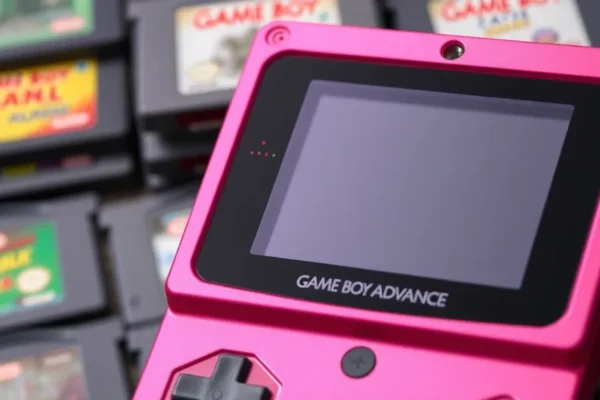
For many gamers, the Game Boy Advance represents a golden era of handheld gaming. Released by Nintendo in 2001, it offered a portable way to experience rich, colorful worlds. However, the original hardware now suffers from aging screens and fragile buttons. The Ayaneo Pocket Advance arrives as a modern solution to this problem, blending the iconic aesthetics of the past with the processing power of today. This device is not just a tribute to a classic design, but a sophisticated piece of hardware designed to run a vast library of vintage games on a single, high-quality screen.
Ayaneo, a company known for creating high-end handheld PCs and Android consoles, developed the Konkr Pocket Advance to fill a specific gap in the market. While many retro handhelds exist, few combine a premium build quality with a form factor that feels authentic to the original Nintendo experience. According to official specifications from Ayaneo, this device is designed to provide a seamless transition from the 32-bit era of the early 2000s to the high-definition requirements of the 2020s. It solves the problem of fragmented game libraries by consolidating multiple console generations into one pocketable device.
How the Ayaneo Pocket Advance Works
To understand how the Ayaneo Pocket Advance functions, it is important to understand a process called emulation. Think of emulation like a universal translator. In the same way a translator allows two people who speak different languages to communicate, an emulator is a piece of software that allows a modern computer to “speak the language” of an old game console. The hardware inside the Ayaneo device pretends to be the circuitry of a Game Boy Advance, a PlayStation 1, or a Nintendo DS, allowing the original game files to run without needing the original plastic cartridges.
At its core, the device runs on the Android operating system. This means that underneath the gaming interface, it is essentially a small smartphone without the cellular radio. This architecture is significant because it allows the user to download various emulator apps from the internet and customize how the games look and feel. Instead of being locked into a single set of features, the user can tweak the software to improve performance or add filters that make the screen look like an old-fashioned cathode-ray tube television.
The hardware focuses heavily on the visual experience. While the original GBA had a screen that lacked a backlight in its first iteration, the Ayaneo Pocket Advance uses a modern high-resolution display. This screen acts as a window that can upscale old, pixelated images into sharp, clear visuals. The internal processor manages the heavy lifting, ensuring that the software can translate old game code into modern graphics without causing lag or stuttering, which is often referred to as frame drops.
Current State and Real World Applications
The Ayaneo Pocket Advance is currently positioned as a premium entry in the retro handheld gaming market. It is moving from the early announcement and pre-order phase into the hands of enthusiasts and collectors. Unlike mass-market consoles from Sony or Nintendo, this device is targeted at “power users” and nostalgic adults who are willing to pay a premium for a device that feels like a luxury object rather than a toy.
In real-world use, the device serves as a portable archive. A user can carry thousands of games from different eras in their pocket, switching from a Game Boy Advance title to a PlayStation Portable game in a matter of seconds. It is being used primarily by the retro gaming community to preserve old titles that are no longer sold in stores. Because it runs Android, it can also be used for modern light gaming via the Google Play Store or for streaming games from a powerful home PC using cloud gaming services.
Availability is generally handled through Ayaneo’s direct sales channels and specialized electronics retailers. While it is not yet a household name like the Nintendo Switch, it represents a growing trend of “boutique” hardware where the focus is on craftsmanship and specific niche appeal rather than global mass distribution.
The Competitive Landscape of Retro Handhelds
Ayaneo does not operate in a vacuum. The market for retro handhelds is currently crowded with competitors like Anbernic and Retroid. These companies often produce devices that are more affordable and focus on “plug-and-play” simplicity. For example, many Anbernic devices use a simplified Linux-based system that boots directly into a game list, whereas the Ayaneo Pocket Advance uses the more complex Android system.
The primary differentiator for Ayaneo is the “luxury” approach. While a budget retro handheld might use a plastic shell that feels hollow, Ayaneo focuses on weight, button tactility, and screen brightness. When compared to the original Nintendo GBA, the Ayaneo version wins on every technical specification, from battery life to display resolution. However, it lacks the original’s simplicity; the original GBA required no setup or software updates, whereas the Ayaneo device requires the user to manage software and game files.
Another competitor is the Steam Deck or the ASUS ROG Ally. These are much more powerful machines capable of running modern AAA games. However, they are bulky and lack the specific aesthetic appeal of a GBA handheld. The Ayaneo Pocket Advance finds its advantage by being small enough to fit in a jacket pocket while remaining powerful enough to handle almost any game released before the mid-2000s.
Implications and Social Impact
The rise of devices like the Ayaneo Pocket Advance signals a shift in how we consume media. We are moving away from a model of ownership based on physical objects (cartridges and discs) toward a model of digital curation. This has an economic impact on the secondary market, as the demand for original physical cartridges often increases among collectors, even as the actual playing of those games moves to emulators.
Socially, these devices foster a community of preservation. Because many old games are “abandonware” (software that is no longer supported or sold by the original creator), emulation is often the only way to keep these artistic works alive. The Ayaneo device makes this process accessible to people who may not be technical experts, providing a polished way to engage with gaming history.
In the short term, this trend encourages other hardware manufacturers to experiment with nostalgic designs. In the long term, it may pressure larger companies like Nintendo to provide their own official ways to play legacy titles on modern hardware, as the demand for “retro” experiences continues to grow among older millennials and Gen X gamers.
Limitations and Technical Challenges
Despite its strengths, the Ayaneo Pocket Advance faces several hurdles. The most significant challenge is the “Android tax.” Because Android is a full-featured operating system, it consumes a significant amount of power and memory just to stay running in the background. This can lead to shorter battery life compared to a device that runs a stripped-down, gaming-only operating system.
There is also the issue of software fragmentation. Since the device relies on third-party emulators, the user experience can vary. Some games may run perfectly, while others might have audio glitches or visual bugs that the hardware cannot fix because the problem lies in the emulation software. This means the device is not a “perfect” reproduction of the original hardware, but rather a very close approximation.
Cost is another barrier. By using premium materials and a high-end screen, Ayaneo pushes the price point higher than many consumers are used to for a “retro” device. This limits the audience to enthusiasts and may prevent the device from achieving mainstream adoption. Additionally, the legal gray area of emulation and ROMs (the digital files of the games) means that Ayaneo provides the hardware, but the user is responsible for legally acquiring the games they wish to play.
The Future Trajectory of Handheld Gaming
The trajectory of the Ayaneo Pocket Advance suggests a future where handhelds become more specialized. We are likely to see a divergence between “powerhouse” handhelds for modern games and “curated” handhelds for retro experiences. As chip efficiency improves, we can expect future versions of these devices to offer even longer battery life and screens that can perfectly mimic the exact phosphorus glow of 1990s screens.
Another key development to watch is the integration of cloud technology. While the Ayaneo Pocket Advance is designed for local emulation, future iterations may integrate deeper with cloud services, allowing users to play massive games that would normally require a desktop PC, all while maintaining the small GBA form factor. Based on current industry trends, the next two to three years will likely see a surge in “tribute” hardware that mimics other classic consoles, such as the Game Boy Color or the PlayStation Portable.
Key Questions About the Ayaneo Pocket Advance
Is the Ayaneo Pocket Advance a legal device?
Yes, the hardware itself is completely legal. However, the legality of the games you play depends on how you acquire the digital files, as downloading copyrighted games from unauthorized sources is generally illegal.
How does this GBA handheld compare to a real Game Boy Advance?
The Ayaneo device offers a significantly better screen, more power, and the ability to play games from multiple different consoles, whereas the original GBA only plays GBA and Game Boy Color games.
Does the Ayaneo Pocket Advance require a subscription?
No, the device is a one-time purchase. While you can pay for certain apps or cloud services on the Android store, the core functionality of the handheld does not require a monthly fee.
Can this retro handheld run modern games?
It can run modern Android games from the Play Store and can stream modern PC games via the cloud, but it is not powerful enough to run high-end PC games natively.
Is it difficult to set up for a non-technical person?
It is more complex than a standard console because you must install emulators and add your own game files, but the Android interface makes this process much simpler than it was in the past.
Note: This analysis is based on currently available technical specifications and company announcements from Ayaneo. Actual performance may vary based on software updates and specific emulator configurations.