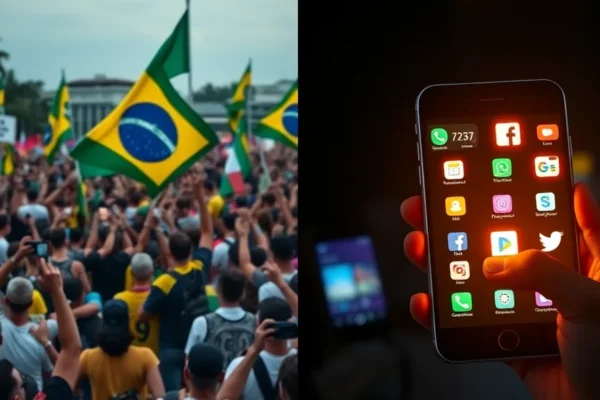
Understanding Campaign Strategy and Digital Reach
In the world of finance and economics, understanding how decisions are made, especially by leaders and governments, is crucial. Often, success hinges on effective communication and strategy. Think of it like managing your personal budget: you need a plan to achieve your financial goals. Similarly, political campaigns need strategies to win votes. One key element that has become increasingly important is how candidates use digital tools and social media. This is about more than just posting updates; it’s a sophisticated form of political marketing that can significantly influence public opinion and voter turnout.
For instance, imagine you’re saving for a big purchase, like a car. You wouldn’t just randomly save; you’d set a goal, a timeline, and a plan for how much to put aside each month. A political campaign is similar. It’s a strategic effort to persuade voters, and the period between election rounds, or runoffs, is critical. This is where a campaign can pivot, adjust its message, and intensify its efforts. In Brazil’s recent elections, the campaign strategy of Luiz Inácio Lula da Silva, often known as Lula, provides a fascinating case study on how digital outreach and social media mobilization can be a game-changer, especially in a Brazil runoff election scenario.
Why should we care about this from a financial education perspective? Because the outcomes of elections, influenced by these strategies, directly impact economic policies, regulations, and market stability. These, in turn, affect job creation, inflation, interest rates, and ultimately, the financial well-being of individuals and businesses worldwide. Understanding how campaigns operate, particularly their use of new technologies, helps us better anticipate policy shifts and their economic consequences.
How Lula’s Campaign Leveraged the Digital Space
Lula da Silva’s election campaign in Brazil offers a compelling example of a successful campaign comeback driven by a revamped digital strategy. After the first round of voting, where the results were closer than anticipated, his campaign team understood the need to reach a broader audience and energize his base for the runoff. This wasn’t about traditional advertising alone; it was about a deep dive into digital platforms and social media strategy.
Think of a digital campaign like building a strong online community for your favorite hobby. You wouldn’t just announce your hobby; you’d share your passion, engage with others, organize events, and use different online spaces to connect. Lula’s team did something similar. They focused on:
- Targeted Messaging: Instead of a one-size-fits-all approach, they used data analytics to understand different voter segments and tailor messages to their specific concerns. This is akin to a company offering different product versions based on customer needs.
- Platform Diversification: They didn’t just stick to one platform. They utilized popular social media sites like Facebook, Instagram, WhatsApp, and TikTok, adapting their content style for each. This ensured they could reach a wide range of demographics, from older voters on Facebook to younger ones on TikTok.
- Influencer Engagement: The campaign collaborated with digital influencers and content creators who had large followings. These influencers helped translate the campaign’s message into more relatable and engaging content for their audiences, acting as trusted voices.
- Grassroots Mobilization Online: They encouraged supporters to become active participants, sharing campaign content, organizing virtual events, and even engaging in online debates. This created a sense of collective effort and ownership. WhatsApp groups, for example, were crucial for disseminating information quickly and mobilizing supporters at a local level.
- Combating Misinformation: In the digital age, false information can spread rapidly. Lula’s campaign actively worked to debunk fake news and present factual information, often using quick-response videos and clear graphics.
A real-world analogy here is a company launching a new product. They wouldn’t just put an ad on TV; they’d use social media teasers, partner with reviewers, run targeted online ads, and perhaps host a live launch event online. Lula’s team applied similar principles to the political arena.
One notable aspect was the shift in tone and visual presentation. The campaign adopted a more dynamic and visually appealing approach, using short, impactful videos and engaging graphics that resonated well on social media. This move away from purely traditional political discourse helped them connect with a younger generation of voters and those who consume information primarily through digital channels.
The Impact of Digital Outreach on the Election
The strategic use of digital tools by Lula’s campaign had a profound impact on the Brazil campaign strategy and the election outcome. In a close contest, the ability to mobilize voters efficiently and effectively is paramount.
From a personal finance perspective, this highlights how modern communication can influence the direction of a country, which in turn affects economic policies that touch everyone’s lives. For example, if a candidate’s platform includes plans for economic stimulus or changes to tax policy, understanding how they connect with voters and build support through digital means can offer clues about their potential governing style and policy priorities.
Economically, a well-mobilized electorate can translate into higher voter turnout, which can lead to a clearer mandate for the winning candidate. This clarity can foster market confidence and stability. Conversely, fragmented or disengaged electorates can lead to political uncertainty, which can negatively impact investment and economic growth. The ability to reach and persuade undecided voters or energize the base through digital channels can be the deciding factor in a tight election.
The digital strategy also served to counter narratives that might have been circulating through less controlled channels. By providing a consistent and engaging stream of information and positive messaging, the campaign aimed to shape the public perception of Luiz Inácio Lula da Silva and his platform. This proactive approach to communication is a vital aspect of modern political marketing.
Those who benefited from this strategy were primarily voters who might have been disengaged or harder to reach through traditional media. The campaign effectively tapped into communities and demographics that are highly active online. On the other hand, older generations or those with limited internet access might have received less of this direct digital engagement, relying more on traditional media, which is something campaigns must balance.
Historical Context of Campaign Strategies
Campaigning has always evolved with technology. In the past, presidential campaigns relied heavily on rallies, television advertisements, and door-to-door canvassing. The advent of radio and then television revolutionized how candidates communicated with the public, allowing for mass reach and the shaping of national narratives. Think of Franklin D. Roosevelt’s “fireside chats” on the radio in the United States, a pioneering use of a new medium to connect directly with citizens.
The internet and the rise of social media have introduced another significant shift. Platforms like Facebook, Twitter (now X), Instagram, and WhatsApp have democratized information sharing but also created new challenges, such as the spread of misinformation and the need for constant, rapid communication. Candidates can now engage in micro-targeting, sending specific messages to very narrow groups of voters based on their online behavior and interests.
Lula’s campaign is part of this ongoing evolution. It represents a mature understanding of how to integrate digital tools into a comprehensive election campaign tactics. The fact that this happened in Brazil, a large and diverse country with significant digital penetration, underscores the global trend towards digitally-driven political engagement. Recent data shows that internet usage and social media penetration in Brazil are among the highest globally, making these platforms essential for any serious campaign.
The intense focus on digital outreach in the Lula election, particularly between the first and second rounds, was triggered by the need to close a perceived gap and mobilize a winning coalition in a highly polarized environment. This approach reflects a broader trend observed in democracies worldwide, where digital strategies are no longer optional but a core component of electoral success.
Practical Considerations for Understanding Campaign Narratives
When you see political campaigns using social media, it’s important to understand what’s happening. It’s a strategic communication effort designed to persuade you. For individuals managing their finances, understanding these dynamics can help in several ways:
- Information Literacy: Be aware that messages on social media are crafted to influence your perception and actions. This encourages critical thinking about the information you consume, whether it’s political or financial.
- Policy Foresight: The platforms and messages a candidate uses can hint at their priorities and how they might govern. For instance, a focus on digital infrastructure or specific online communities might indicate future policy directions in technology or social programs.
- Market Sensitivity: Political stability and clear policy direction are generally good for markets. Significant shifts in campaign rhetoric or unexpected election outcomes, often amplified by digital discourse, can lead to market volatility.
A common misconception is that social media campaigning is purely organic or less strategic than traditional methods. In reality, it is highly data-driven and meticulously planned, much like a sophisticated financial marketing campaign. Campaigns use analytics to track engagement, identify trends, and refine their messaging in near real-time.
When you encounter this topic in the news or in your daily life, consider the following:
- Source Scrutiny: Always consider the source of information and the potential biases involved.
- Engagement Metrics: While likes and shares are visible, understand that sophisticated campaigns use deeper analytics to measure impact.
- Narrative Control: Campaigns aim to control the narrative; recognize when they are actively trying to shape public opinion on specific issues.
One actionable insight is to diversify your information sources. Don’t rely solely on social media for political or economic news. Consult established news organizations, academic research, and official government reports to get a more balanced perspective. This is similar to how a wise investor diversifies their portfolio to mitigate risk.
Connections to Other Financial Concepts
The study of Lula election campaigns and their digital strategies connects to several other important financial and economic concepts. Understanding how public opinion is shaped and how leaders gain power is fundamental to understanding economic policy, as policies are enacted by elected officials.
For instance, the concept of voter mobilization is analogous to market participation. Just as campaigns need to get their supporters to vote, financial markets thrive when individuals participate by investing, saving, and spending. Low participation can lead to stagnant economies.
Furthermore, the use of data analytics in campaigns mirrors its use in finance for predictive modeling and risk assessment. Campaigns analyze voter data to predict outcomes and tailor strategies, much like financial institutions analyze market data to forecast trends or manage investment risk.
The effectiveness of digital communication also relates to information asymmetry, a concept in economics where one party in a transaction has more and better information than the other. Campaigns try to reduce information asymmetry by disseminating their message, while opponents might try to highlight or create it. Understanding this helps individuals make more informed financial decisions by actively seeking out reliable information.
Frequently Asked Questions About Lula’s Election Campaign
What was Lula da Silva’s main strategy between the first and second rounds of the election?
Lula’s campaign significantly amplified its digital outreach and social media mobilization efforts. This involved tailoring messages to different voter segments, using a variety of online platforms, and engaging with digital influencers to broaden reach and energize supporters for the runoff.
How did social media strategy impact the Lula election outcome?
The robust social media strategy helped Lula connect with a wider and more diverse electorate, including younger voters. It allowed for rapid dissemination of messages, direct engagement with citizens, and the mobilization of a strong base, which was crucial in a close Brazil runoff election.
Can online voter mobilization truly influence Brazilian politics?
Yes, in countries with high internet and social media penetration like Brazil, online mobilization can be extremely influential. It can increase voter turnout, shape public discourse, and directly influence election results by energizing key demographics.
What are the risks associated with relying heavily on digital campaigning?
Risks include the rapid spread of misinformation and fake news, the potential for online echo chambers that polarize voters, and the exclusion of demographics with limited digital access. Campaigns must actively work to mitigate these issues.
How does this relate to broader campaign tactics in other countries?
The digital-first approach seen in Lula’s campaign is a growing trend globally. Most major political campaigns now integrate sophisticated digital marketing and social media strategies as core components of their overall election campaign tactics to reach and persuade voters.
Can individuals use similar strategies for personal financial goals?
While the context is different, the principles of strategic planning, targeted communication, and utilizing appropriate tools for your audience can be applied. For example, using budgeting apps or financial planning tools is analogous to using digital platforms to achieve a goal.
Disclaimer: This educational content is for informational purposes only and does not constitute financial advice. Financial situations vary significantly based on individual circumstances, risk tolerance, and market conditions. Always consult with a qualified financial professional before making any financial decisions. Past performance is not indicative of future results, and all investments carry risk.