Understanding Consumer Pricing Power and Inflation
At its core, consumer pricing power refers to a company’s ability to raise the prices of its products or services without significantly losing customers. Think of it like your favorite coffee shop: if they suddenly doubled the price of your regular latte, you might look for a cheaper alternative. But if they’re known for exceptional quality and service, and they only increase prices by a small amount, you might still be willing to pay it. This ability to pass on costs to consumers is a crucial indicator of a company’s strength in the market.
Why does this matter to you? Understanding consumer pricing power helps you grasp why some companies can keep growing even when prices are going up everywhere else. It explains why you might see seemingly simple products with premium price tags, and why some brands seem immune to the economic pressures that affect others. It’s a fundamental concept in understanding how businesses operate and how economic forces shape the prices you pay every day.
How P&G Navigates Inflation Through Premium Innovation
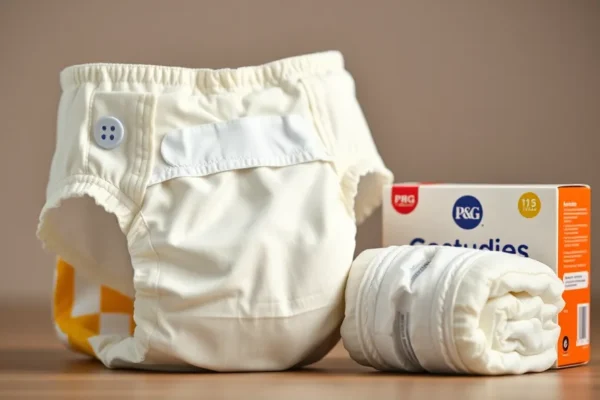
Procter & Gamble (P&G), a giant in the consumer goods world, is employing a smart strategy to maintain its sales growth amidst rising inflation. Their CEO, Shailesh Jejurikar, is emphasizing premium product innovation, which means creating and marketing high-end versions of their everyday products. Imagine a basic necessity like diapers. While P&G offers standard options, they are also introducing “luxury” diaper lines. These aren’t just slightly better; they often boast advanced features, unique materials, or enhanced performance, justifying a higher price.
Here’s how this strategy works in practice: When a consumer is feeling the pinch of inflation-weary shoppers, they tend to cut back on non-essential spending. However, for essential items where quality or performance is critical, some consumers are still willing to pay more for a superior product. P&G identifies these opportunities. They invest in research and development to create these premium offerings, and then they market them effectively, highlighting the unique benefits that justify the higher cost. For example, a premium diaper might offer superior absorbency, gentler materials for sensitive skin, or a more comfortable fit. This allows P&G to achieve Procter & Gamble growth by appealing to a segment of the market that prioritizes these benefits over the lowest possible price. This is a key aspect of their P&G inflation strategy.
Why This P&G Strategy Matters to Your Wallet and the Economy
For individuals, this retail pricing strategy means that while some everyday essentials might become more affordable as companies compete on price, others, particularly those with premium innovation, might become more expensive. Understanding this helps you make informed choices about where you spend your money. Are you willing to pay more for a P&G premium product if it offers a significant advantage, or will you opt for a more budget-friendly alternative? This decision directly impacts your household budget.
Economically, this approach can help companies like P&G maintain their P&G earnings report figures, which in turn supports jobs and investment. When companies are profitable, they are more likely to hire and expand. However, there’s a potential downside: it can also contribute to a widening gap between essential goods and their premium counterparts, potentially making it harder for lower-income households to access the very best products, even for necessities. This strategy relies heavily on brand loyalty, where customers trust P&G and are willing to pay more based on that trust and the perceived value of their premium products. It also signals a shift in consumer spending habits, where even during inflationary periods, a segment of consumers still seeks out perceived higher quality.
Historical Context of Premiumization in Consumer Goods
The concept of offering premium versions of everyday goods isn’t new. Throughout history, brands have differentiated themselves through quality and perceived exclusivity. Think of the rise of luxury cars or designer clothing. However, the current focus on “premium innovation” within essential consumer staples, like diapers or cleaning products, has intensified. This trend was accelerated by shifts in consumer attitudes following economic downturns and periods of rising costs.
In recent years, particularly following global supply chain disruptions and the surge in inflation starting in 2021, companies have revisited this strategy. Reports from major financial news outlets like The Wall Street Journal have highlighted how brands are increasingly using premium offerings to offset rising costs. According to a recent analysis by McKinsey & Company, consumers are showing a willingness to pay more for products that offer tangible benefits, even during economic uncertainty, a phenomenon they’ve termed “trading up.” This data underscores the relevance of P&G’s current focus, demonstrating that this isn’t just a fleeting trend but a significant evolution in consumer pricing power.
Practical Implications of Premium Innovation for Shoppers
When you encounter P&G’s premium product innovations, like their luxury diapers, consider what truly drives your purchasing decision. Is it the advertised benefits—like advanced leak protection or skin-soothing ingredients—that are worth the extra cost for your family’s needs? Or are you primarily focused on managing your budget, in which case a standard or store-brand option might be more suitable?
A common misconception is that premium products are always better. While they often incorporate advanced technology or superior materials, the “best” product is subjective and depends on individual needs and priorities. What to watch for is how effectively companies communicate the value of their premium products. Are the benefits clear and demonstrable, or is it purely marketing? Understanding the actual difference in performance or experience can help you avoid paying a premium for perceived benefits that don’t translate into real-world improvements for you. It’s about assessing the tangible value against the increased cost.
Connecting P&G’s Strategy to Broader Economic Concepts
P&G’s P&G inflation strategy is a fascinating case study that touches on several key economic principles. It directly relates to demand elasticity, which measures how much demand for a product changes when its price changes. Premium products often cater to segments with lower price elasticity; meaning, demand for them doesn’t drop much even when prices rise. This also ties into market segmentation, where companies divide their customer base into groups with different needs and spending habits.
Understanding brand loyalty is crucial here; it allows companies to command higher prices because customers trust the brand and are less likely to switch. Furthermore, this strategy impacts disposable income, the money left after essential expenses. When consumers choose premium essentials, it affects how much disposable income they have for other goods and services. Recognizing these interconnected concepts provides a more comprehensive view of how a single company’s strategy can ripple through the broader economy and influence your own financial landscape.
Common Questions About P&G’s Inflation Strategy
How does P&G’s premium innovation strategy help with inflation?
By offering higher-priced, premium versions of their products, P&G can increase revenue and profits even if sales volume doesn’t grow significantly. This allows them to absorb rising costs and maintain their overall financial health, contributing to Procter & Gamble growth despite widespread inflation.
Is P&G’s strategy of premium product innovation accessible to everyone?
Not necessarily. While P&G aims to serve a wide range of consumers, premium products inherently come with higher price tags. This means they may be less accessible to individuals with tighter budgets, highlighting potential disparities in consumer spending habits.
What is Shailesh Jejurikar’s role in this strategy?
As CEO, Shailesh Jejurikar is the key leader driving P&G’s strategic direction. He is instrumental in championing and implementing the focus on premium innovation as a core component of their P&G inflation strategy, guiding the company’s investments and market approach.
How does this affect a consumer’s “pricing power”?
Consumers don’t typically have “pricing power” in the same way companies do. However, they exercise their power through purchasing decisions. By choosing which products to buy and which to avoid, consumers can signal to companies what they value, influencing future product development and pricing.
Can P&G maintain brand loyalty with higher prices?
P&G aims to do so by demonstrating superior value and performance in their premium products. If consumers perceive that the higher price is justified by tangible benefits, and if they have a history of positive experiences with the brand, their brand loyalty can be maintained or even strengthened.
What are the risks of P&G’s P&G inflation strategy?
A key risk is alienating price-sensitive consumers who may switch to competitors offering lower-priced alternatives. Additionally, if the perceived value of the premium product doesn’t match the price, it can damage brand reputation and lead to decreased sales in the long run.
This article is for educational purposes only and does not constitute financial advice. Financial situations vary greatly from person to person, and it is always recommended to consult with a qualified financial professional for personalized advice tailored to your specific circumstances. Investing and financial decisions involve risks, and outcomes are not guaranteed.