

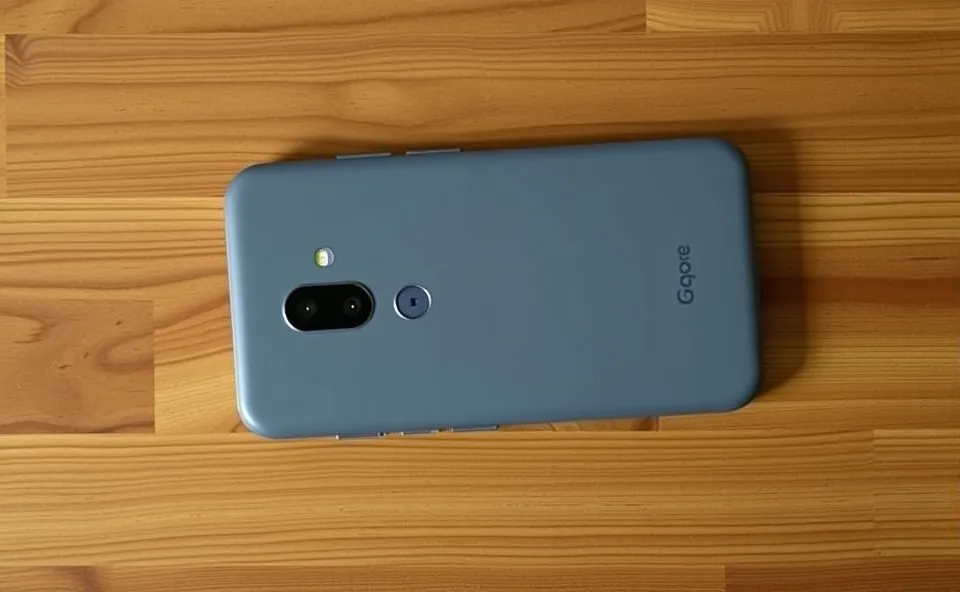
A Smooth New Look for the Pixel 10a: Saying Goodbye to the Camera Bump
Imagine picking up a new phone, laying it flat on a table, and it just sits there. No wobble, no tilt, just a perfectly flush surface. This simple pleasure, often overlooked, is precisely what the upcoming Google Pixel 10a is reportedly bringing to the table, making waves with its rumored flat design that ditches the prominent camera bump we’ve grown accustomed to. It’s a subtle change, but one that promises a surprisingly big impact on how we interact with our devices.
The chatter around the Pixel 10a’s sleek new look centers entirely on this design choice. For years, as smartphone cameras grew more powerful, they also grew physically larger, pushing out from the back of our phones in what became known as the “camera bump.” But with the Google Pixel 10a, it seems the tech giant might be offering a refreshing alternative, integrating the camera system more seamlessly into the phone’s body. This design shift isn’t just about aesthetics; it speaks to a more thoughtful user experience that many Pixel fans and budget smartphone enthusiasts have been hoping for.
Why Everyone’s Buzzing About a Flat Pixel 10a Design
So, why is this absence of a camera bump such a trending topic for the Google Pixel 10a? It boils down to a few key reasons, all centered on practical benefits and a touch of design nostalgia. People are searching for answers about the Pixel 10a because this flat design addresses genuine pain points experienced by countless smartphone users.
-
No More Wobble: Have you ever tried to type on your phone while it’s lying on a table, only for it to rock back and forth with every tap? The camera bump is the usual culprit. A flat design means stability, making your phone a much more predictable surface.
-
Sleeker Aesthetics: Let’s be honest, a perfectly flat back just looks cleaner and more elegant. It contributes to a premium feel, even for a budget smartphone like the Pixel a-series. This design choice can make the Pixel 10a stand out in a crowded market.
-
Easier to Clean: The gaps and edges around a camera bump are notorious for collecting dust and lint. A flush back is simpler to wipe down, helping your phone look pristine for longer.
-
Improved Durability (Potentially): While the camera bump is usually protected by glass or metal, it’s still a raised point that can be vulnerable to scratches or impacts when placed on rough surfaces. A flat back could offer a more even distribution of pressure and less exposure.
These seemingly small details accumulate into a significantly improved user experience. When you consider that the Pixel 10a is part of Google’s highly popular a-series, known for delivering excellent value, bringing such a refined design to a more accessible price point makes it a truly exciting prospect for smartphone upgrades.
The Rise and Reign of the Camera Bump: A Brief History
To truly appreciate the significance of a flat design on the Pixel 10a, it helps to understand how we got here. For years, smartphones featured relatively flat backs, with cameras either integrated seamlessly or only slightly raised. But as mobile photography became a central selling point, the quest for better image quality led to bigger and more advanced camera sensors and lenses.
Think about it: a larger sensor can capture more light, leading to sharper, more detailed photos, especially in challenging conditions. Professional cameras have always had large lenses for this very reason. Fitting these increasingly sophisticated optical systems into an ever-thinner smartphone body created a challenge. The solution, for most manufacturers, was to let the camera module protrude from the phone’s back, creating the “camera bump” we now know so well.
From Apple’s iPhones to Samsung’s Galaxy series and even previous Google Pixel phones, the camera bump became a ubiquitous feature. It was a trade-off: excellent camera performance for a less-than-perfectly-flat design. Users accepted it because the benefits in photo quality were undeniable. However, it also left many longing for the days of a truly flush back, setting the stage for the excitement surrounding the Pixel 10a’s rumored design.
What a Flat Design Means for Your Next Google Phone
The decision to potentially eliminate the camera bump on the Pixel 10a isn’t just a win for aesthetics; it’s a statement about user-centric design in the budget smartphone category. For anyone considering smartphone upgrades, especially within the a-series, this design choice offers tangible benefits that directly impact daily use.
Here’s what a truly flat Pixel 10a could mean for you:
-
Enhanced Portability and Comfort: A phone that slides easily into a pocket or bag without a snagging bump feels more streamlined. It also feels better in the hand, offering a more uniform surface.
-
Better Protection for the Camera: While it might seem counterintuitive, a flush camera system can sometimes be less susceptible to direct impact. When you drop a phone with a bump, that bump often takes the brunt of the fall. With the Pixel 10a, the lens assembly would be more recessed and protected by the phone’s overall frame.
-
A Differentiator in the Mid-Range Market: Most budget smartphone options, even those with great Pixel 10a specs, still feature some form of camera protrusion. By offering a completely flat design, Google’s Pixel 10a could carve out a unique niche, appealing to users who prioritize sleekness and practicality alongside performance and a reasonable Pixel 10a price. It becomes a major selling point in a competitive field, influencing mobile review scores and user recommendations.
-
The “Aha!” Moment: It’s the kind of feature that you might not realize you miss until it’s gone. That moment when you set your phone down and it doesn’t wobble, or when you slide it into a case effortlessly, creates a small but significant “aha!” feeling that contributes to overall satisfaction with your Google phone.
This commitment to a flat design suggests Google is focusing on a holistic user experience for the Pixel 10a, not just raw power. It’s about making a phone that’s not only smart but also genuinely pleasant to use in every aspect.
The Road Ahead: What Could This Mean for Future Smartphone Upgrades?
If the Pixel 10a successfully integrates its camera system into a flat design without compromising photo quality, it could signal a significant shift in smartphone design trends, particularly for budget smartphone lines. Other manufacturers are always watching, and a popular, well-reviewed feature on a Google phone often inspires imitation. We might see a renewed push across the industry to minimize or eliminate camera bumps.
However, achieving this balance is a complex engineering challenge. High-quality cameras require specific lens configurations and sensor sizes. For the Pixel 10a, Google would need to employ innovative techniques, such as stacking sensor components more efficiently, using periscope lens designs that run horizontally within the phone’s body, or perhaps developing thinner, yet equally powerful, sensor technologies. The “a-series” has always been about bringing flagship-level features to a more affordable price, and if they can do this with the camera, it would be a huge win.
Ultimately, the success of the Pixel 10a’s flat design will depend on a critical factor: does it deliver excellent photography? Users value convenience, but they won’t sacrifice camera performance. If the Pixel 10a review scores reflect both a fantastic camera and a sleek, flat back, we could be looking at a new standard for smartphone upgrades, pushing the boundaries of what’s possible in mobile design without breaking the bank. It’s an exciting prospect for the evolution of our everyday devices.
Common Questions About the Google Pixel 10a’s Design
As excitement builds around the Pixel 10a, many are curious about its potential features and benefits. Here are some frequently asked questions:
What is the rumored design change for the Google Pixel 10a?
The primary rumor for the Pixel 10a centers around a sleek, flat design that integrates the camera system flush with the back of the phone, meaning there would be no protruding camera bump.
Why is a flat design significant for a budget smartphone like the Pixel 10a?
A flat design improves usability by preventing the phone from wobbling on flat surfaces, offering a cleaner aesthetic, making it easier to clean, and potentially enhancing its durability. For a budget smartphone, this is a premium feature that significantly enhances the user experience.
How does the Pixel 10a compare to other phones regarding camera bumps?
Most modern smartphones, even in the budget segment, feature some form of a camera bump due to the size of their advanced camera modules. If the Pixel 10a truly offers a flat design, it would stand out as a unique option among current smartphone upgrades in its price range.
Will the Pixel 10a’s camera performance be affected by the flat design?
Google’s engineers would face the challenge of maintaining or even improving camera performance while achieving a flat design. This would likely involve advanced engineering to fit powerful sensors and lenses within a thinner profile. The final Pixel 10a review will tell us if they succeeded in balancing both.
When can we expect more details about the Pixel 10a price and release?
While specific details are still under wraps, Google typically unveils its a-series budget smartphone models in the spring or summer. Keep an eye out for official announcements regarding the Pixel 10a price, specs, and availability in the coming months.











