

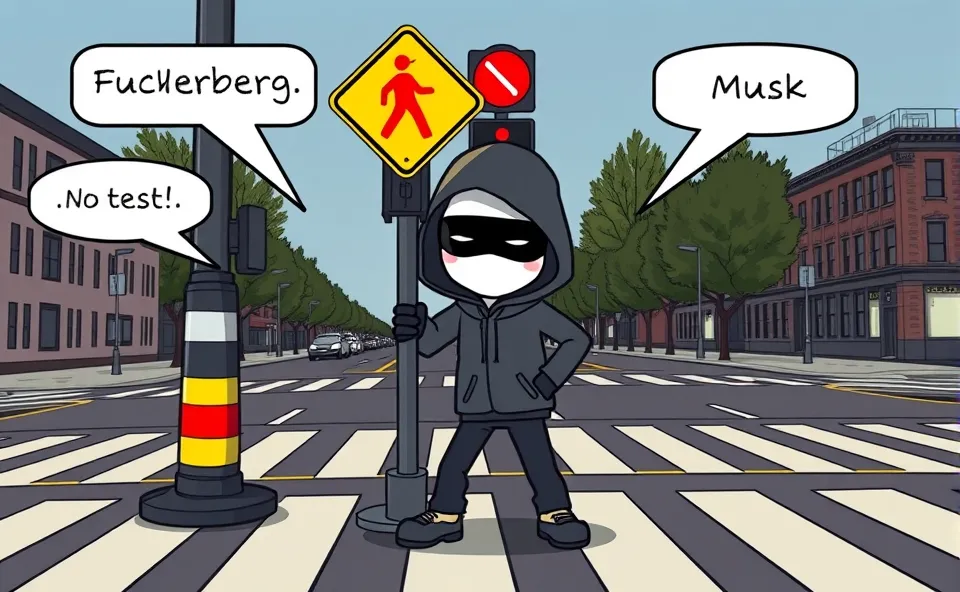
The Crosswalk Announcement Hack a Hilarious but Scary Reality
You know those little recorded messages that tell you when it’s safe to cross the street? The ones that say “Walk” or “Don’t Walk” in a polite, robotic voice? Well, imagine those announcements suddenly spewing out something completely unexpected. That’s exactly what happened recently, and honestly, it’s one of the most absurd yet telling tech hacks we’ve seen this year. Someone managed to hijack these seemingly innocent crosswalk signals, and instead of crucial safety information, they broadcasted… well, let’s just say it wasn’t related to pedestrian safety. Think more along the lines of unwanted messages. This story isn’t just a funny anecdote; it’s a stark reminder of how vulnerable our everyday infrastructure can be.
Why This Crosswalk City Hack is All Over the Internet
So, why are we talking about a crosswalk hack right now? It’s simple. In today’s hyperconnected world, any glimpse into the inner workings of our smart city infrastructure, especially when it goes wrong, sparks immediate interest. This particular incident is trending because it’s so relatable and, frankly, a bit bizarre. It taps into our anxieties about cybersecurity and the systems we trust daily. When something as basic as a crosswalk announcement is compromised, it makes people stop and think about the bigger picture of city security. It’s the kind of story that gets shared because it’s both a little funny and a little concerning, pushing the conversation about tech vulnerability into the spotlight.
A Brief Look Back at Our Connected Streets
To truly understand why this crosswalk hack is a big deal, we need a little context. Cities have been getting smarter for years. We’re talking about integrated traffic lights, smart parking systems, public Wi-Fi networks, and yes, even those audio cues at crosswalks. The idea is to make urban living more efficient and safer. These systems often rely on interconnected devices and software, all designed to communicate and work together. While the intentions are good, this interconnectedness also creates potential entry points for those with malicious intent. This particular hack highlights a long running concern: as we add more technology to our public spaces, are we doing enough to secure it? It’s a question that has been bubbling for a while, and this event has brought it to a rolling boil.
What This Hack Means for You and Me
The impact of this crosswalk hack goes way beyond just a few strange announcements. For everyday users, it’s a wake up call. It means that the systems designed to help us might also be susceptible to interference. Imagine if a more malicious actor decided to use this same vulnerability for something more sinister, like causing traffic chaos or disrupting emergency services. For local authorities, it’s a serious embarrassment and a clear sign that their cybersecurity measures are not as robust as they should be. This event underlines a critical tech vulnerability: the security of public infrastructure. It’s not just about preventing a data breach on a server; it’s about physical safety and public trust. This hack forces us to consider the broader implications of infrastructure security in our increasingly smart city environments. It’s a tangible example of how digital vulnerabilities can have very real-world consequences.
Looking Ahead: Strengthening Our Smart City Defenses
So, what happens next? After an incident like this, the immediate reaction is usually a scramble to patch up the obvious holes. We can expect local authorities to conduct thorough security audits of their smart city systems, including traffic controls and pedestrian signals. This might involve updating software, implementing stronger access controls, and perhaps even rethinking how these devices are networked. The cybersecurity lessons learned from this hack will likely influence how future smart city projects are planned and executed. There’s a growing understanding that robust cybersecurity can’t be an afterthought; it needs to be a core component from the very beginning. We might also see increased investment in cybersecurity talent and training for municipal employees. The goal will be to make these systems more resilient and to prevent future disruptions, ensuring that our smart cities remain safe and functional for everyone.
Frequently Asked Questions About the Crosswalk Hack
What exactly was the crosswalk hack?
The crosswalk hack involved unauthorized access to the audio announcement systems at pedestrian crosswalks. Instead of playing the usual safety messages, the system was reportedly made to broadcast unrelated or inappropriate content, demonstrating a clear cybersecurity breach.
Why is this considered a ‘dumbest hack of the year’?
It’s often labeled as a “dumbest hack” due to the seemingly low stakes of the hijacked system compared to more sophisticated cyberattacks. However, its significance lies in exposing the vulnerability of critical city infrastructure and local authorities’ preparedness for such a hack, making it a subject of widespread discussion on cybersecurity.
What does this crosswalk hack tell us about city security?
This incident highlights significant gaps in city security and infrastructure security. It shows that even seemingly simple public technology can be a weak point, raising concerns about the overall cybersecurity posture of smart city initiatives and the potential for broader tech vulnerability.
How does this cybersecurity incident impact smart city development?
This hack serves as a crucial lesson for smart city development. It emphasizes the urgent need for robust cybersecurity measures to be integrated into every aspect of urban technology, from traffic management to public announcement systems, to prevent future data breach scenarios and ensure public safety.
What cybersecurity lessons can local authorities learn from this event?
Local authorities can learn vital cybersecurity lessons, including the importance of regular security assessments, prompt software updates, secure network configurations, and comprehensive employee training to defend against such types of hack and protect public infrastructure.











