

Tesla is Betting Big on the Future
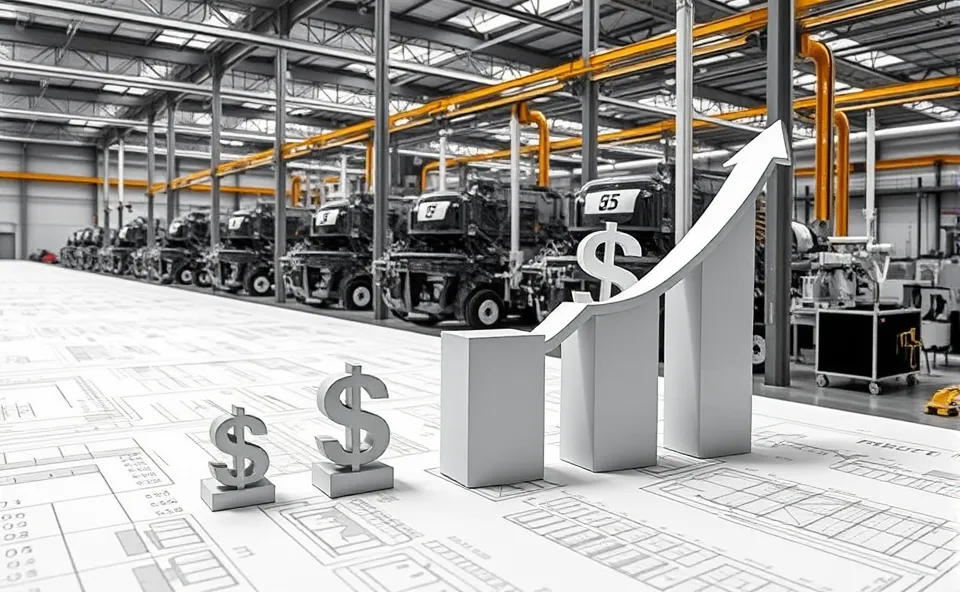
Imagine you have a business that is already successful, but instead of just sitting back and collecting profits, you decide to pour billions of dollars back into it. That is exactly what is happening right now with the newest Tesla spending plan. The company is preparing to ramp up its capital expenditure, often called Tesla capex, to a staggering 25 billion dollars by 2026.
In simple terms, Tesla is moving into a high growth phase. They are not just making cars anymore. They are spending this money to build more factories, create better batteries, and develop advanced artificial intelligence. This is a massive amount of cash, and it shows that Elon Musk is not playing it safe. He is pushing the company to evolve from a car manufacturer into an AI and robotics powerhouse.
This spending is not happening all at once. It is a strategic climb. The company is allocating these funds to ensure they can scale up production and stay ahead of competitors. When a company spends this much, it is usually a signal that they see a huge opportunity on the horizon that requires a lot of infrastructure to capture.
Why Everyone is Talking About This Spending Spree
You might wonder why a spending plan for 2026 is making headlines today. In the world of business and technology, these numbers tell a story about where a company thinks the world is going. Investors and tech fans are buzzing because this level of investment changes the financial picture for Tesla.
The main reason for the current noise is the concept of negative free cash flow. Free cash flow is the money a company has left over after paying for its operating expenses and capital investments. When Tesla increases its Tesla 2026 capex so drastically, it means they are spending more than they are bringing in from their daily sales in the short term.
For some, this is scary because it means less cash on hand. For others, it is exciting because it means Tesla is building the foundation for something much bigger than just selling EVs. People are searching for details on this plan because they want to know if this gamble will pay off or if it will put too much pressure on the company’s finances.
How We Got to This Point
To understand why this investment is happening, we have to look at where Tesla started. A few years ago, the goal was simple. Tesla wanted to prove that electric cars could be cool, fast, and practical. They built the Model S, the Model 3, and the Model Y, focusing heavily on electric vehicle manufacturing.
But once they mastered the art of making cars, they realized that the car itself is just a shell. The real value lies in the brain of the car and the energy that powers it. This led to a massive shift in their strategy. They started building Gigafactories across the globe to lower costs and increase speed.
Over the last few years, Tesla has moved closer to the source of its components. They stopped just buying batteries and started focusing on battery production. This transition was the first step in a larger journey. They realized that to dominate the next decade, they couldn’t just be a car company. They needed to own the software, the energy grid, and the AI that drives the vehicles.
What This Money Actually Buys and Why it Matters
So, where is all that money actually going? A 25 billion dollar Tesla investment does not just go into one place. It is spread across several high stakes projects that could change how we live and move.
The Push for AI Development
A huge chunk of the spending is dedicated to AI development. This includes buying thousands of powerful chips and building massive supercomputers. Tesla is training its Full Self Driving software to navigate the world without human help. This is not just about convenience. It is about the dream of the Robotaxi, where cars operate as a fleet of autonomous taxis.
Scaling Battery Production
Batteries are the heart of every EV. If Tesla can make batteries cheaper and more efficient, they can make cheaper cars. The spending plan includes expanding their battery cells production. This allows them to reduce reliance on outside suppliers and lower the price of their vehicles, making them accessible to more people.
Modernizing Electric Vehicle Manufacturing
Tesla is constantly rethinking how cars are built. They are investing in new manufacturing techniques, like large casting machines that make the car frame in a few big pieces instead of many small ones. This reduces waste and speeds up the process, which is essential as they try to scale up to millions of cars per year.
The Impact on the Automotive Industry
When a leader like Tesla spends this much, the rest of the automotive industry feels the heat. Other car makers are forced to speed up their own investments in AI and batteries just to keep up. This creates a ripple effect that pushes the entire world toward sustainable energy faster than it would have otherwise.
The risk, of course, is the financial strain. Dealing with negative free cash flow means Tesla is betting that the future returns from AI and robotics will be far greater than the money they are spending now. It is a high risk, high reward strategy.
Where Tesla Goes From Here
Looking ahead, the next few years will be a testing ground for this strategy. We can expect to see more future projects come to light, such as the Optimus humanoid robot. The same AI and battery tech used in cars will likely power these robots, turning Tesla into a robotics company.
Logically, once the heavy spending phase of the Tesla spending plan concludes, the company will look to monetize these investments. If the Robotaxi network becomes a reality, Tesla will move from selling a product once to selling a service millions of times. This would create a massive new stream of revenue that dwarfs their current car sales.
We will also likely see a more diverse product lineup. With better battery production and cheaper manufacturing, a lower cost electric vehicle is almost certain. This would allow Tesla to capture the mass market and dominate the streets in every corner of the globe.
Common Questions About Tesla’s Big Move
What is the main goal of the Tesla spending plan?
The primary goal is to transition from being just an electric car company to a leader in AI, robotics, and energy. By investing 25 billion dollars, Tesla aims to perfect autonomous driving and scale its manufacturing to reach more customers.
How does Tesla capex affect the company’s profit?
Increasing Tesla capex means the company spends more on long term assets like factories and computers. In the short term, this can lead to negative free cash flow, meaning they spend more cash than they generate from sales, which can lower immediate profits but build future value.
Why is AI development so expensive for Tesla?
Training AI requires immense computing power. Tesla has to buy expensive hardware and build massive data centers to process billions of miles of driving data. This is necessary to make their cars truly self driving.
Will this Tesla investment lead to cheaper cars?
Yes, that is the plan. By investing in electric vehicle manufacturing and battery production, Tesla can lower the cost of making each car. This efficiency allows them to lower prices for the consumer while staying profitable.
What are the risks of the Tesla 2026 capex strategy?
The biggest risk is that the technology, such as full autonomy, might take longer to develop than expected. If the company spends billions but cannot launch the Robotaxi or Optimus robot on time, the period of negative free cash flow could put a strain on their finances.











