

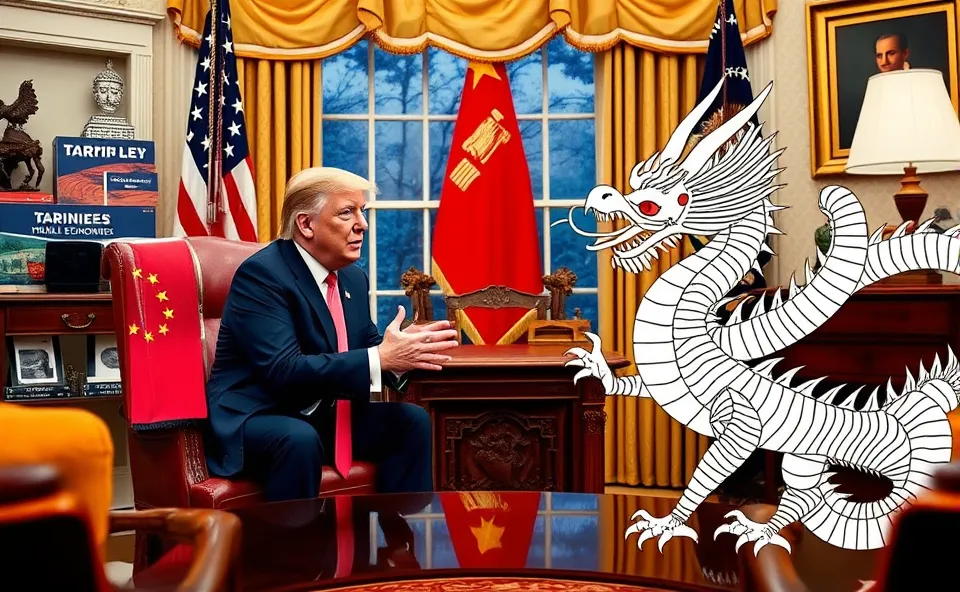
A Chat with President Trump in the Oval Office About His Economic Vision
Imagine sitting down with President Trump for an hour right there in the Oval Office. That’s pretty much what happened for a recent in depth discussion. We got to dive deep into his thoughts on the US economy, what drives his approach to tariffs, how he sees the rapidly advancing world of artificial intelligence, and his views on China. It wasn’t a press conference; it was more of a sit down, a chance to hear directly from him about the big picture of his economic strategy.
Why Everyone’s Talking About This Conversation Now
It’s no secret that economic news is always a hot topic, and when a former President like Trump, who has a very distinct economic approach, shares his thoughts, people naturally pay attention. Right now, we’re seeing shifts in global markets, ongoing debates about trade, and the ever present rise of AI shaping industries. People are looking for clarity, for understanding what might influence future economic policies, especially those related to manufacturing, technology, and international trade. This conversation offers a window into those potential influences, making it incredibly relevant for anyone trying to navigate the current economic landscape. The buzz around President Trump, the Oval Office, and his economic strategy isn’t just about politics; it’s about understanding the forces that could shape the US economy for years to come.
Looking Back: The Foundations of His Economic Approach
To really get what President Trump is saying now, it helps to remember where he’s coming from. His presidency was marked by a strong focus on “America First,” which translated into policies aimed at boosting domestic industries and jobs. A key part of this was his use of tariffs. He often spoke about tariffs as a tool to level the playing field, arguing that other countries had unfairly benefited at the expense of American businesses. He believed that by imposing tariffs on goods from countries like China, he could encourage companies to bring manufacturing back to the United States and create jobs here at home. This was a significant departure from more traditional free trade approaches, and it definitely stirred a lot of debate. Think about the background: a long history of trade agreements that he felt were not working for American workers, and a desire to renegotiate those terms.
What This Means for You, Me, and the US Economy
So, what’s the big deal? When we talk about President Trump’s economic strategy, especially concerning tariffs and AI, it has real world implications. For businesses, tariffs can mean higher costs for imported materials or, conversely, a chance to compete more favorably against foreign goods. This can influence hiring decisions, investment strategies, and even the prices consumers pay. The focus on AI is particularly interesting. President Trump has spoken about the need for the US to lead in AI development, seeing it as crucial for national security and economic competitiveness. This could mean more investment in research and development, potentially creating new industries and high paying jobs, but also raising questions about regulation and the future of work. When he talks about dealmaking, whether it’s with China or on trade in general, the goal is to secure better terms for the US, aiming for a stronger US economy. It’s about the overall health of the US economy, job creation, and how the nation stacks up on the global stage.
Peering Ahead: What’s Next on the Economic Horizon
Looking forward, President Trump’s perspective suggests a continued emphasis on strong national borders, strategic trade negotiations, and a proactive approach to emerging technologies like AI. If he were to pursue policies similar to his previous term, we might anticipate further scrutiny of international trade deals and a potential embrace of tariffs as a bargaining chip. His focus on AI could translate into initiatives aimed at fostering domestic innovation and ensuring the US remains at the forefront of this transformative technology. When he talks about dealing with countries like China, the aim would likely be to find agreements that he believes are more favorable and balanced for American interests. The concept of dealmaking, in his view, is about achieving tangible wins for the country, securing better outcomes in both trade and technological advancement. It’s not about wild speculation, but about understanding the principles that have guided his economic thinking and might continue to do so.
Your Questions Answered About Trump and the Economy
What is President Trump’s core economic strategy?
President Trump’s core economic strategy, as discussed in the Oval Office, often centers on an “America First” approach. This involves prioritizing domestic industries, boosting job creation within the US, and renegotiating trade deals he believes were disadvantageous. A significant part of this strategy involves using tools like tariffs to protect American businesses and encourage domestic production.
How does President Trump view the use of tariffs in his economic strategy?
During our conversation in the Oval Office, President Trump articulated that tariffs are seen as a vital tool to level the economic playing field. He views them as a means to counter what he perceives as unfair trade practices by other countries, aiming to protect American industries from foreign competition and encourage companies to invest and manufacture within the US. The goal is to create a more favorable environment for American workers and businesses.
What is President Trump’s stance on artificial intelligence (AI) and its role in the US economy?
President Trump emphasizes the importance of American leadership in artificial intelligence. He sees AI as a critical area for future economic growth, national security, and global competitiveness. The discussion in the Oval Office suggested a desire to foster innovation and ensure the US remains at the cutting edge of AI development, potentially through strategic investments and supportive policies.
What is President Trump’s approach to dealing with China in terms of economic strategy?
President Trump’s approach to China, from the perspective of his economic strategy, has historically involved a willingness to challenge existing trade relationships. The focus is on achieving what he considers a more equitable trade balance. This often includes using tariffs and engaging in direct negotiations to address trade deficits and intellectual property concerns, with the overarching goal of securing better terms for the US economy and its workers.
How does dealmaking fit into President Trump’s overall economic strategy?
Dealmaking is a cornerstone of President Trump’s economic strategy. He views his role as a negotiator who can strike favorable agreements for the United States. Whether it’s trade pacts, business transactions, or international diplomacy, the emphasis is on achieving concrete outcomes that he believes benefit the US economy, strengthen American businesses, and create jobs. This active, often direct, form of negotiation is central to his vision of improving the US Economy.











