

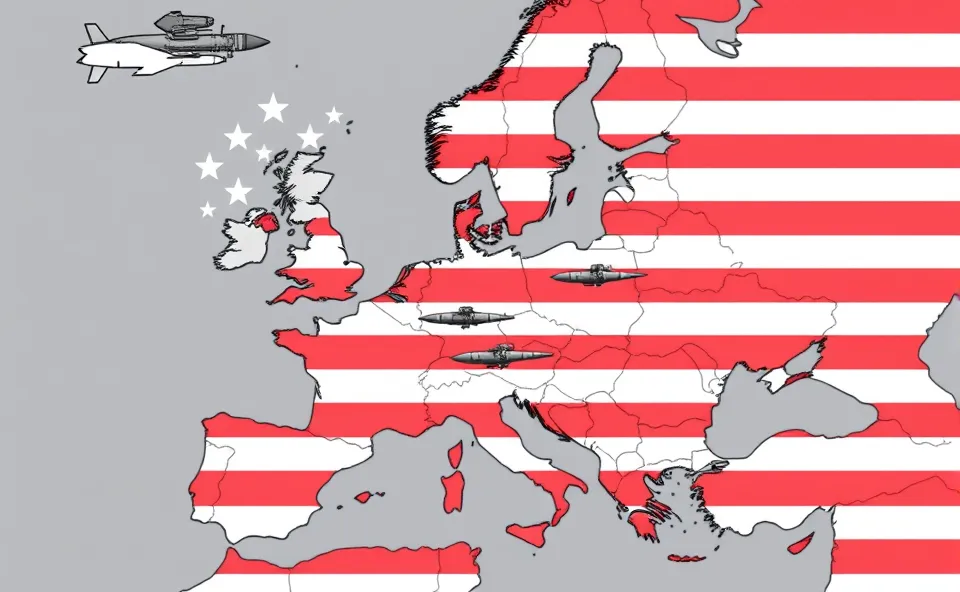
A New Chapter in Europe’s Defense Strategy
You might have heard some talk lately about the US possibly expanding the deployment of its nuclear weapons in Europe. This isn’t just a minor tweak; it’s a significant shift that could change how countries in the region think about their safety and security. At its core, the discussion revolves around US nuclear weapons and how they fit into Europe defense plans, with the idea of increasing nuclear deployment being a central point.
Essentially, what’s being considered is making more US nuclear assets available or visible in European countries. This could involve placing more weapons, or perhaps more importantly, positioning the aircraft capable of carrying them in a way that enhances readiness. Think of it like a show of strength and capability, designed to send a clear message to potential adversaries and reassure allies.
Why This Discussion is Heating Up Now
So, why are we talking about this right now? It’s a complex mix of global events and evolving geopolitical tensions. The current international climate has made many nations re-evaluate their security postures. When you have shifting global power dynamics and heightened concerns about stability, discussions around nuclear deterrence naturally come to the forefront. This increased focus on Europe defense and the potential for new nuclear deployment stems from a feeling that existing security arrangements need to be bolstered to meet new challenges.
The reason this is such a hot topic is that any change in nuclear deployment, especially involving US nuclear weapons in Europe, sends ripples across the entire continent and beyond. It touches upon core issues of NATO’s collective security and the strategic balance. It’s not just an academic debate; it has real implications for how countries prepare for future uncertainties and maintain peace through strength. The desire for a robust Europe defense is a constant, but the tools and strategies used to achieve it are always under review, particularly in light of changing threats.
A Look Back: The Roots of Nuclear Presence in Europe
To really understand what’s happening now, we need to rewind a bit and look at the history. The presence of US nuclear weapons in Europe isn’t a new idea. It’s deeply intertwined with the Cold War and the creation of NATO. During that era, the primary goal was to deter the Soviet Union. Having American nuclear weapons stationed in allied countries was a key part of this strategy, providing a credible threat that extended beyond the reach of conventional forces.
This established a framework for nuclear deployment that became a cornerstone of NATO’s security umbrella. Even after the Cold War ended, a reduced but still significant number of these weapons remained. They served as a symbol of the US commitment to European security and as a crucial component of nuclear deterrence. This background is vital because it shows that the current conversations about US nuclear weapons in Europe are building on decades of established policy and practice, adapting it to the current geopolitical landscape. The idea of military expansion Europe has always been tied to broader security alliances and the role of nuclear capabilities within them.
What This Means for Europe and Beyond
The implications of expanding US nuclear weapons deployment in Europe are far reaching and touch on several critical areas. For NATO allies, it could mean a stronger sense of reassurance, reinforcing the alliance’s commitment to collective defense. Having nuclear-capable bombers stationed more widely or in greater readiness can enhance a country’s ability to project power and respond to a crisis. This directly impacts European security, providing another layer of defense against potential aggression.
However, it also raises complex questions. For instance, more countries hosting nuclear weapons or the bombers that carry them can increase geopolitical tensions. It might be seen by some as provocative, potentially leading to countermoves from other nations. This could complicate strategic arms control efforts and potentially escalate existing conflicts. For businesses, this could translate into increased defense spending and shifts in investment towards security technologies and infrastructure.
From a technological standpoint, it emphasizes the ongoing importance of advanced delivery systems, like nuclear-capable bombers, and the infrastructure needed to support them. It also highlights the enduring role of nuclear deterrence in a world where traditional military balances are constantly being reassessed. The discussions around US foreign policy and its role in European security are directly linked to these decisions about military expansion Europe. It’s a delicate balancing act between maintaining a strong defense and avoiding actions that could destabilize the region.
Here are some key areas of impact:
- Enhanced Deterrence: The primary goal is to make potential aggressors think twice by demonstrating a robust nuclear capability readily available in Europe.
- Allied Confidence: It can bolster the confidence of NATO allies, signaling unwavering US support and a commitment to their defense.
- Increased Geopolitical Risk: Conversely, it could heighten tensions with non-NATO countries, potentially leading to an arms race or increased military posturing.
- Strategic Arms Control Challenges: Such moves can complicate ongoing efforts to negotiate and maintain strategic arms control treaties.
- Defense Industry Opportunities: Increased focus on nuclear readiness can drive investment and innovation in the defense technology sector.
Looking Ahead: What’s Next on the Horizon
When we look to the future, the path forward regarding US nuclear weapons deployment in Europe is likely to be cautious and strategic. It’s not a decision made lightly, and it involves extensive consultation within NATO and with US policymakers. The immediate next steps will likely involve detailed planning and perhaps joint exercises to assess capabilities and readiness. Any actual deployment changes will probably be phased and carefully communicated.
The ongoing dialogue about Europe defense will continue to be shaped by the evolving threat landscape. Nations will be watching closely how these discussions play out and how they impact regional stability. The focus will remain on ensuring effective nuclear deterrence while also seeking avenues for de-escalation and diplomatic engagement. The long term implications will depend on a variety of factors, including the political climate, technological advancements, and the broader trajectory of international relations. The balance between military expansion Europe and diplomatic efforts will be key to future security.
Frequently Asked Questions
What is the current status of US nuclear weapons in Europe?
Currently, the US maintains a certain number of tactical nuclear weapons in several European countries as part of NATO’s nuclear sharing arrangements. These are designed to be part of the alliance’s overall deterrence strategy, with US nuclear weapons playing a crucial role in Europe defense.
Why are there discussions about increasing nuclear deployment in Europe?
These discussions are driven by changing geopolitical tensions and a re-evaluation of security needs. Allies want to ensure that Europe defense remains strong and that the credibility of nuclear deterrence is maintained in the face of potential threats, leading to increased focus on nuclear deployment.
What are nuclear-capable bombers and why are they important?
Nuclear-capable bombers are aircraft designed to carry and deliver nuclear weapons. Their strategic importance lies in their ability to project power over long distances and their role in maintaining a flexible nuclear response, a key aspect of NATO’s strategy involving US nuclear weapons.
How does this relate to NATO and European security?
This is directly tied to NATO’s core mission of collective defense. The presence and potential expansion of US nuclear weapons in Europe are seen by many as essential for bolstering European security and ensuring the alliance’s ability to deter aggression. It is a key element of the broader defense strategy for the region.
Could this lead to more military expansion in Europe?
While the focus is on nuclear deployment, any significant shift in military posture can have broader implications. It might necessitate upgrades to infrastructure and could influence overall military planning, potentially contributing to a broader discussion on military expansion Europe, alongside diplomatic and strategic arms control considerations.











