

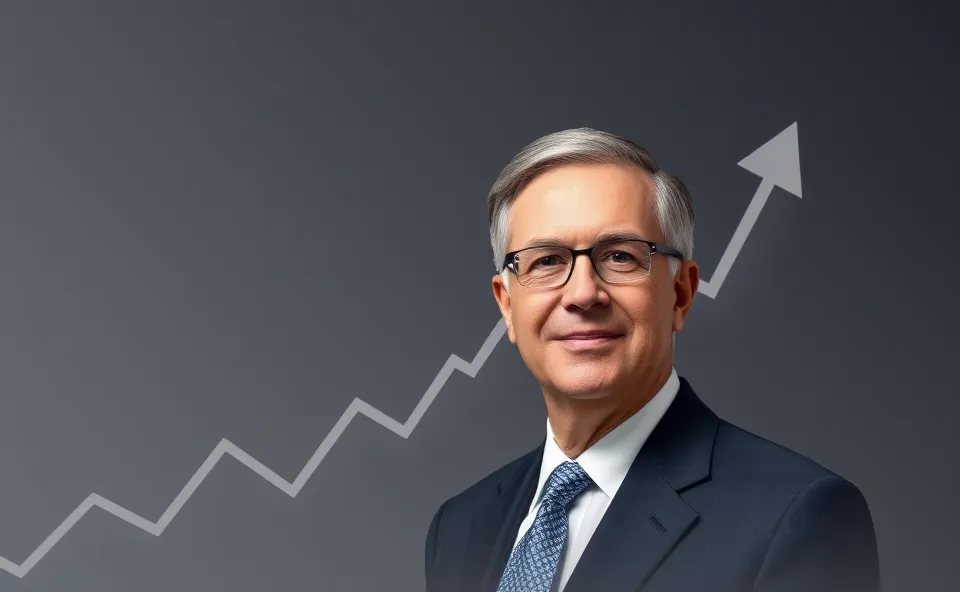
A Fresh Face at the Fed: What Kevin Warsh’s Debut Means for Us
So, you’ve probably heard a bit about Kevin Warsh stepping into the spotlight as the new Fed chairman. Larry Kudlow, who really knows his stuff when it comes to economic trends, had some insightful observations after Warsh’s first press conference. And honestly, it sounds like we might have some good news brewing for the markets. Let’s break down what this means, without getting bogged down in jargon.
Why Everyone’s Tuning In to Kevin Warsh and the Fed Right Now
The reason Kevin Warsh’s arrival at the helm of the Federal Reserve is such a hot topic right now is simple: leadership at the central bank has a massive ripple effect. When a new leader takes charge, especially one like Warsh, people naturally want to know what kind of direction they’ll steer the ship. Think of it like a major company getting a new CEO. Investors, business owners, and even everyday folks who have savings or loans are all paying close attention. The Federal Reserve controls crucial monetary policy, which directly influences interest rates, inflation, and ultimately, the health of the stock market and the broader economic outlook. So, any change at the top is a big deal and sparks immediate interest across the financial news landscape.
A Look Back: The Road to Kevin Warsh’s Federal Reserve Leadership
To truly appreciate the significance of Kevin Warsh’s current role, it helps to understand a little about how the Federal Reserve operates and the context leading up to his appointment. The Fed, as it’s commonly known, is the central bank of the United States. Its primary goals are to promote maximum employment, stable prices, and moderate long-term interest rates. It does this by influencing monetary policy – things like setting interest rates and managing the money supply. For years, the Fed has navigated various economic challenges, from periods of low inflation to economic recoveries. The appointment of a new Fed chairman is always a carefully considered process, with candidates undergoing scrutiny for their experience, economic philosophy, and ability to lead such a critical institution. Kevin Warsh’s background, including his previous service at the Fed, gives him a familiar understanding of its complexities. This history is important because it means he isn’t coming into this entirely new, which can bring a sense of stability to market sentiment.
What Kevin Warsh’s Presence Signals for the Markets
Now, for the juicy part: what does this all mean for us, and especially for the markets? Larry Kudlow’s commentary was particularly encouraging because he highlighted some key traits in Kevin Warsh’s demeanor during his first press conference. Kudlow pointed out that Warsh came across as incredibly knowledgeable, succinct, collegial, and humble. This combination is a powerful signal. Knowledgeable means he understands the intricate workings of the economy and monetary policy. Succinct suggests he can communicate complex ideas clearly and directly, which is vital for building confidence. Collegial points to his ability to work with others, both within the Federal Reserve and with external stakeholders, fostering a sense of unity and shared purpose. And humble? That’s a refreshing change that can signal a grounded approach, focused on sound economic principles rather than grandstanding.
When a leader of the Federal Reserve exhibits these qualities, it tends to translate into positive market sentiment. Investors often look for predictability and stability from the central bank. A chairman who communicates with clarity and shows a deep understanding of the economic outlook can reduce uncertainty. This can lead to more confidence in the stock market, encouraging investment and potentially spurring economic growth. For businesses, a predictable monetary policy environment means they can plan and invest with greater assurance. For consumers, it could mean more stable interest rates on loans and mortgages, and a generally more optimistic economic picture. It’s about building trust, and based on Kudlow’s assessment, Warsh’s initial appearance is laying a strong foundation for that trust. It’s not about predicting specific market movements, but rather about the feeling of confidence that a well-prepared and thoughtful leader can instill in the financial world.
Looking Ahead: The Potential Trajectory Under Kevin Warsh
So, what’s next on the horizon for the Federal Reserve and the markets with Kevin Warsh at the helm? Based on his initial showing, the future appears to be one of steady guidance. His knowledgeable approach suggests that decisions will be data-driven and grounded in economic theory. The succinctness in his communication means we can likely expect clear policy statements and rationales, which helps in understanding the Fed’s direction. His collegial nature implies a collaborative approach within the central bank, which can lead to more robust and well-considered monetary policy decisions. And the humility, as mentioned, can foster an environment of careful deliberation.
This doesn’t mean there won’t be challenges. The economy is always dynamic, and the Fed must be prepared to adapt. However, a leader who demonstrates composure and a thoughtful approach is better equipped to navigate unforeseen circumstances. We can anticipate a continued focus on the Fed’s core mandates: price stability and maximum employment. The market sentiment will likely remain sensitive to Warsh’s communications, looking for confirmation of his steady hand. Businesses might see a more predictable environment for investment and expansion. The overall economic outlook will be shaped by the ongoing efforts of the Federal Reserve to balance various economic pressures, and Warsh’s leadership style appears well suited to this complex task.
Frequently Asked Questions About Kevin Warsh and the Fed
What is Kevin Warsh’s role at the Federal Reserve?
Kevin Warsh serves as the Chairman of the Federal Reserve. In this role, he leads the central bank and is a key figure in setting the nation’s monetary policy, influencing interest rates and the overall economic outlook.
How does the Federal Reserve impact the stock market?
The Federal Reserve influences the stock market through its monetary policy decisions. For example, changes in interest rates can affect borrowing costs for companies and consumers, impacting corporate profits and investor sentiment. A stable and predictable Federal Reserve can often lead to a more stable stock market.
What does it mean for markets if a Fed chairman is knowledgeable and succinct?
When a Fed chairman like Kevin Warsh is knowledgeable and succinct, it signals that they have a strong grasp of economic complexities and can communicate their intentions clearly. This can reduce uncertainty for investors and businesses, leading to more positive market sentiment and potentially a more stable stock market.
How does Kevin Warsh’s collegial approach benefit the markets?
A collegial approach from Kevin Warsh means he is likely to work collaboratively with other members of the Federal Reserve’s leadership and committees. This can lead to more unified and well-reasoned monetary policy decisions, which can foster greater confidence and stability in the financial markets.
What is the general economic outlook when a Fed chairman appears humble?
A humble demeanor from a Fed chairman like Kevin Warsh can suggest a cautious and grounded approach to economic policy. It often implies a focus on careful analysis and a recognition of the complexities involved in managing the economy, which can be reassuring for market participants and contribute to a more optimistic economic outlook.











