

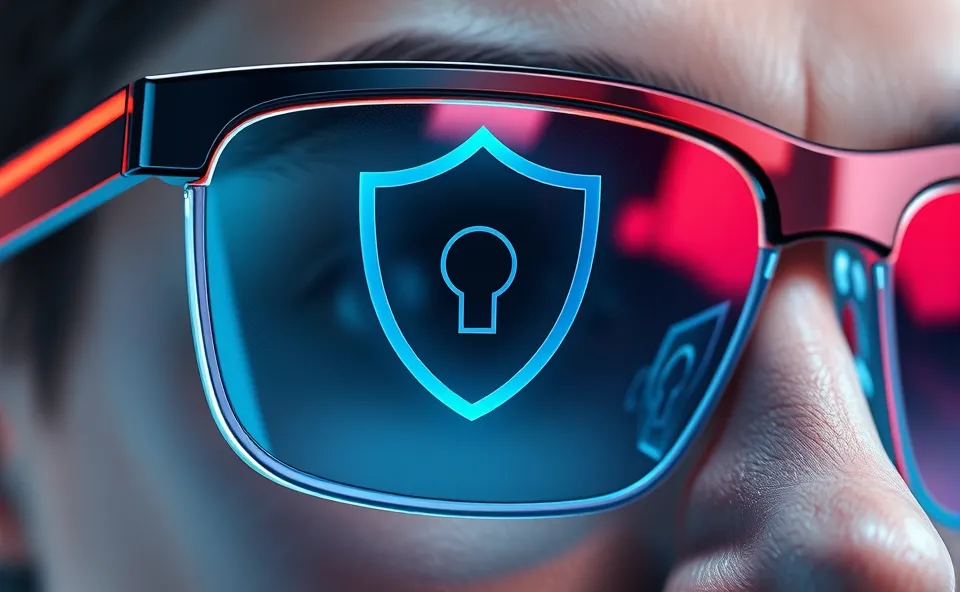
Seeing the Future Through AI Smart Glasses, But What About Our Privacy?
Imagine slipping on a pair of sleek glasses that do more than just correct your vision. They can translate languages on the fly, identify landmarks, remind you of people’s names, and even guide you through unfamiliar streets. This isn’t science fiction anymore; these are AI smart glasses, and they’re quickly moving from niche gadgets to something many of us might consider wearing. But as these powerful AI features become more integrated into our daily lives, a big question looms large: what about our privacy? This is where the tension between cutting edge AI smart glasses features and our fundamental right to privacy really comes into focus.
Why Are We Talking About This Right Now?
The buzz around AI smart glasses is hitting a fever pitch because the technology is finally reaching a point where it’s genuinely useful and, dare I say, cool. We’re seeing advancements in miniaturization, battery life, and, most importantly, the AI processing power that makes these glasses smart. Companies are pouring resources into developing them, and early adopters are starting to experiment. This surge in interest naturally brings our attention to the practical and ethical implications. As AI glasses features become more sophisticated, people are understandably asking, “What data are these things collecting, and who’s seeing it?” This growing awareness is driving the conversation about AI smart glasses privacy and the need for privacy-friendly wearables.
A Little Trip Down Memory Lane
Wearable technology isn’t exactly new. We’ve had fitness trackers for years, collecting data on our steps and heart rates. Then came smartwatches, adding notifications and more health metrics. Smart glasses, however, represent a significant leap. Early attempts were often clunky and more focused on niche professional uses or were met with public skepticism, often due to concerns about recording and surveillance. Remember the initial reactions to some early smart eyewear? People were worried about being recorded without their knowledge. This history of public concern, coupled with the increasing capabilities of AI in these devices, means that when we talk about AI smart glasses privacy today, we’re building on a foundation of past anxieties.
What This Means for You and Me
The implications of AI smart glasses for everyday users are profound. On one hand, the potential benefits are huge. Think about seamless navigation, instant information access, and enhanced communication. For businesses, it opens doors to new customer experiences and more efficient workforce solutions. However, the flip side is the significant privacy challenge. These devices, by their very nature, are equipped with cameras and microphones, and the AI within them constantly processes information from the world around you. This raises serious questions about data collection and surveillance concerns. How much information is being gathered? Where is it stored? Who has access? Without strong safeguards, there’s a real risk of constant monitoring, making the concept of privacy-friendly wearables absolutely crucial. It’s about finding a balance where we can enjoy the benefits of wearable AI without feeling like we’re living in a surveillance state.
Navigating the Path Forward
So, what’s next for AI smart glasses and our privacy? The future hinges on how designers and developers approach this challenge. We’re likely to see a greater emphasis on user consent and transparency. This means clear explanations of what data is collected, why, and how it’s used. Designers will need to prioritize on-device processing wherever possible, meaning the AI does its work right there in the glasses, rather than sending all your personal data to the cloud. Think of it like this: instead of sending a whole video of your walk to a server to identify a building, the glasses just process the image locally and tell you the building’s name.
Here’s what a more privacy-friendly approach could look like:
- Clear Visual Indicators: Obvious and unmistakable signals when a camera or microphone is active. This could be a prominent light or a distinct visual cue on the display.
- Granular User Controls: Letting users decide exactly which AI features are enabled and what data they are comfortable sharing, with easy toggles to turn them off entirely.
- Data Minimization by Design: Building the AI and hardware to collect only the absolute minimum data necessary for a feature to function.
- On-Device AI Processing: Maximizing the use of local processing power to keep sensitive data off external servers.
- Ethical AI Development: Prioritizing privacy and security from the very first line of code, not as an afterthought.
The technology is evolving at lightning speed, but the ethical considerations must keep pace. The success of AI smart glasses, and indeed many privacy-friendly wearables, will depend on building and maintaining user trust. If people don’t feel secure, they won’t adopt the technology, no matter how amazing its AI glasses features are.
Frequently Asked Questions About AI Smart Glasses and Privacy
What are the main privacy concerns with AI smart glasses?
The primary privacy concerns with AI smart glasses revolve around constant data collection from cameras and microphones, leading to potential surveillance, misuse of personal information, and the inability to control who sees or records what. This directly impacts AI smart glasses privacy.
How can AI smart glasses be made more privacy-friendly?
Making AI smart glasses privacy-friendly involves designing them with transparency, user consent, on-device data processing, and clear indicators when recording functions are active. Focusing on privacy-friendly wearables from the outset is key.
What kind of data do AI smart glasses typically collect?
AI smart glasses can collect a wide range of data, including visual information from their surroundings, audio recordings, location data, and potentially biometric data. This extensive data collection is a core aspect of AI smart glasses privacy considerations.
How does wearable AI impact recording privacy?
Wearable AI, especially in smart eyewear, significantly impacts recording privacy because these devices are always in a position to capture audio and video. Ensuring strict user controls and transparent usage policies is vital for recording privacy.
What is the future of smart eyewear regarding privacy protection?
The future of smart eyewear will likely see a greater emphasis on ethical design principles and robust privacy features. The market will probably favor devices that offer strong AI glasses features while actively demonstrating a commitment to AI smart glasses privacy and offering true privacy-friendly wearables.











