

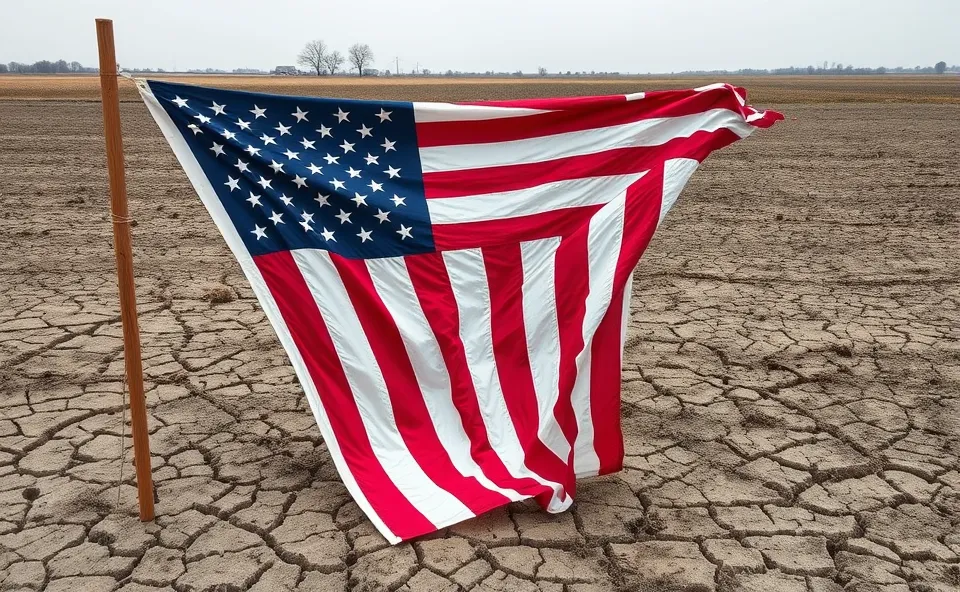
Is the New Farm Bill Just a Band-Aid on American Agriculture?
So, there’s been a lot of talk lately about the latest farm bill, and honestly, it feels like we’re discussing a treatment for a fever without really figuring out what’s causing it. The new farm bill is supposed to be this big deal, a plan to help out farmers and shape the future of our food production. But here’s the thing: many folks on the ground, the very people dealing with the day to day realities of American agriculture, are saying it’s just not enough. It’s like patching up a leaky boat when the hull is really what’s crumbling.
Why Everyone’s Talking About Farm Policy Now
The buzz around the farm bill isn’t just random; it’s tied to a deeper, ongoing agricultural crisis that’s been simmering for a while. Farmers are facing a perfect storm of challenges. Think about the rising costs of everything – seeds, fertilizer, fuel, machinery. Then add in unpredictable weather patterns, thanks to climate change, which can wipe out entire crop yields in a flash. On top of that, the market prices for what they grow often don’t keep pace with their expenses, leaving many struggling to make ends meet. This isn’t just about individual farmers; it affects the entire rural economy and, ultimately, how we all get our food. So, when a new farm bill rolls out, people are naturally looking to see if it truly addresses these deep-rooted problems or just offers temporary fixes.
A Look Back: How Did We Get Here?
To really understand why the current farm bill might fall short, we need a quick history lesson on American agriculture. For decades, farm policy has been shaped by a mix of goals: ensuring a stable food supply, supporting farmer livelihoods, and, let’s be honest, managing markets. A big part of this has been subsidies, which are essentially government payments designed to help farmers, especially when prices drop or crops fail. While these subsidies have historically provided a safety net, they’ve also been criticized for encouraging overproduction of certain crops, often commodity crops like corn and soy, and potentially distorting markets. This focus on large-scale commodity production has, over time, made it harder for smaller, diverse farms and those interested in sustainable farming practices to thrive. The landscape of American agriculture has changed dramatically, moving towards fewer, larger operations, and the policies haven’t always kept pace with this evolution or the growing need for more resilient and diverse food systems.
What This Means for Our Plates and Our Future
When the farm bill doesn’t quite hit the mark, the impacts ripple outwards in significant ways. For farmers, it means continued financial strain, making it harder to invest in their farms, innovate, or even pass their operations down to the next generation. This can lead to more consolidation, meaning fewer farms overall, which could reduce the diversity of our food production. For consumers, it could mean less choice and potentially higher prices down the line as supply chains become more fragile. The push for sustainable farming, a crucial element for long-term food security and environmental health, also gets a setback if the bill doesn’t provide adequate support for these practices. From a technology standpoint, it might slow the adoption of new, eco-friendly farming methods if farmers don’t have the financial backing or incentives to try them. Ultimately, a farm bill that doesn’t tackle the systemic issues of American agriculture risks undermining the very foundation of our food system and the health of our rural communities.
Looking Ahead: What’s Next for American Farms?
So, where does American agriculture go from here? While the current farm bill might not be the silver bullet, it’s unlikely to be the end of the story. The conversations it sparks are important. We’ll probably see continued pressure for more comprehensive agricultural reform that goes beyond simple subsidies. This could involve greater support for diversified farming, incentives for climate-smart agriculture, and policies that help small and mid-sized farms compete more effectively. Technology will undoubtedly play a larger role, with advancements in precision agriculture and data management offering new ways to increase efficiency and sustainability. However, for these technologies to be widely adopted, especially by those most in need, supportive farm policy is crucial. The ongoing challenges mean that the debate around farm policy will continue, and we’ll likely see further efforts to craft legislation that better reflects the complex realities of modern food production and the urgent need for a more resilient and equitable agricultural sector.
Frequently Asked Questions About American Agriculture and the Farm Bill
What are the main challenges facing American agriculture today?
Farmers today grapple with a host of issues. These include fluctuating market prices, rising operational costs for everything from seeds to fuel, increased extreme weather events impacting crop yields, and the challenge of adapting to new environmental regulations. The complex nature of farm policy and the ongoing need for agricultural reform are also significant concerns.
How does the farm bill typically support American farmers?
The farm bill is a large piece of legislation that often includes programs for nutrition assistance, conservation, and rural development, alongside commodity support. For farmers, key components usually involve price support programs, crop insurance, and incentives for conservation practices, all aimed at providing a financial safety net and encouraging certain farming methods.
Why is the farm bill considered insufficient by some?
Critics often argue that the current farm bill, and past versions, focus too heavily on large commodity crops and may not adequately support diversified farming, sustainable farming practices, or smaller farm operations. The distribution of subsidies can also be a point of contention, with some believing it favors larger agricultural businesses, thus not fully addressing the diverse farmer challenges across the country.
What is the role of subsidies in American agriculture?
Subsidies are a significant part of farm policy, designed to help farmers manage risks, stabilize income, and ensure consistent food production. They can be tied to specific crops or farming practices, influencing what farmers choose to grow and how they manage their land. The debate often centers on whether these subsidies are the most effective tool for achieving broad agricultural goals like promoting sustainable farming or supporting the rural economy.
How does the farm bill influence the rural economy and food production?
The farm bill directly impacts the rural economy by providing financial support to farmers, which can boost local businesses and employment. It also shapes food production by influencing which crops are grown, the scale of operations, and the adoption of certain technologies or farming methods. A well-designed farm bill can foster a more resilient and diverse agricultural sector, while one that misses the mark might exacerbate existing farmer challenges and impact overall food availability and sustainability.











