

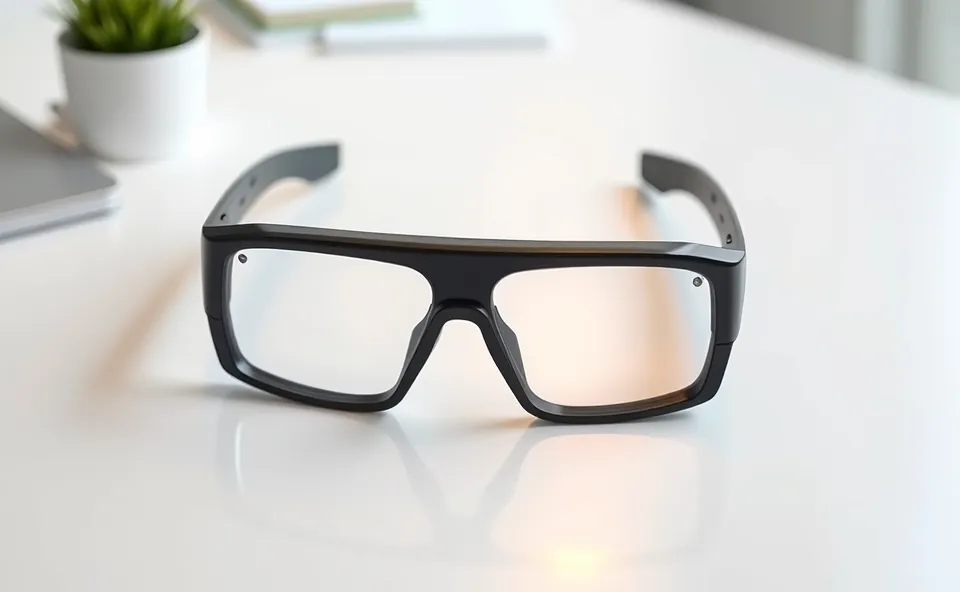
A Glimpse into Apple’s Next Big Thing: Privacy First Smart Glasses
So, there’s a lot of buzz lately about what Apple might be cooking up in the world of smart glasses. Think beyond just looking cool. We’re talking about serious wearable technology that could change how we interact with our digital lives. And according to the whispers from folks who usually know their stuff, like Mark Gurman, a big part of Apple’s plan for these upcoming Apple smart glasses is a strong focus on privacy. This isn’t just a minor detail; it’s shaping up to be the core difference between what Apple is aiming for and what some other tech giants are already offering.
Why All the Fuss About Apple Smart Glasses Right Now?
You’ve probably seen or heard about other companies diving into smart eyewear, like Meta’s AI glasses. These devices promise to blend our physical and digital worlds, offering instant information and new ways to connect. But with all that potential comes questions, especially about privacy. When you have a device that can see, hear, and process so much about your surroundings and you, people understandably get concerned about where that data goes and how it’s used. Apple has a history of championing user privacy, and it seems they’re leaning into that reputation heavily for their Apple smart glasses. This makes the topic incredibly relevant right now as we anticipate what Apple will unveil, and how it will stack up against existing offerings.
Remember When Gadgets Were Simpler?
To really get why privacy is such a big deal for Apple’s smart glasses, we need to remember where we’ve come from. For years, our smartphones have been collecting data, often with our permission buried deep in lengthy terms and conditions. Then came the rise of more integrated tech, like smart speakers and even early attempts at augmented reality. Each step has brought more convenience, but also more opportunities for data collection. Meta, for example, has been quite open about integrating AI and its vast social data into its wearable technology. This approach, while powerful, has also landed them in the middle of plenty of tech controversy regarding user data. Apple, on the other hand, has consistently positioned itself as the guardian of user data privacy. They’ve built features into their iPhones and iPads that give users more control, and they often highlight this as a key differentiator. This isn’t new for them; it’s a deeply ingrained part of their brand identity.
What This Means for Your World and the Tech Landscape
So, what’s the big deal if Apple smart glasses are all about privacy? For us as users, it could mean a sense of security when wearing a device that’s constantly aware of its environment. Imagine using augmented reality features, getting directions, or even having instant translations without constantly worrying about your personal information being broadcast or misused. This commitment to data privacy could set a new standard for smart eyewear. It might force other companies to rethink their own approaches, potentially leading to a more privacy-conscious future for all wearable technology. For Apple, it’s a smart business move. By emphasizing privacy features, they can attract users who are wary of other tech ecosystems and solidify their position as a trusted brand in the burgeoning smart eyewear market. It’s about building a product that people feel good about using, not just one that’s technically impressive.
Peering Into the Crystal Ball: What’s Next?
Looking ahead, the success of Apple smart glasses will likely hinge on how well they balance innovative augmented reality experiences with robust privacy controls. We can expect Apple to continue showcasing its commitment to user data privacy in its marketing and product design. This might involve on-device processing for sensitive data, transparent data usage policies, and granular user controls. It’s plausible that we’ll see this privacy-first approach influence other areas of wearable technology. If Apple’s smart glasses become a hit, expect competitors to follow suit, making data privacy a more prominent selling point across the board. This could also lead to new industry standards and regulations as the technology evolves and public awareness around data privacy grows. The journey from concept to mainstream adoption for any new tech is long, but Apple’s strategic focus on privacy suggests a thoughtful, user-centric path for their smart eyewear.
Frequently Asked Questions About Apple Smart Glasses and Privacy
What makes Apple smart glasses different from Meta’s AI glasses in terms of privacy?
The key difference, based on current insights, is Apple’s historical emphasis on user data privacy. While Meta’s AI glasses integrate deeply with its AI and social platforms, potentially involving more data sharing, Apple is expected to prioritize on-device processing and robust user controls for its Apple smart glasses, aiming to keep personal data more secure and private.
How does Apple plan to ensure privacy on its upcoming Apple smart glasses?
While specifics are not yet public, Apple’s track record suggests a focus on minimizing data collection, processing sensitive information on the device itself rather than in the cloud, and providing users with clear, easy-to-understand options for managing their data and privacy settings. This aligns with their existing Apple privacy features seen in other products.
Is augmented reality inherently a privacy risk, and how might Apple smart glasses mitigate this?
Augmented reality can be a privacy risk because the device constantly perceives and processes the user’s surroundings. Apple’s approach with its smart eyewear likely involves advanced processing that can identify and filter out sensitive information before it leaves the device, coupled with strict permissions for any data that is shared. The goal is to enable AR without compromising data privacy.
Will Apple smart glasses require users to share personal data, like Meta AI glasses do?
The extent of data sharing for Apple smart glasses is expected to be significantly different. Apple’s strategy usually involves offering core functionality with minimal data reliance, and only requesting specific permissions for features that genuinely require it. This is a stark contrast to some other wearable technology that leverages extensive personal data for AI training and services.
What does this privacy focus mean for the future of smart eyewear and wearable technology?
Apple’s prioritization of privacy for its smart glasses could set a new benchmark for the entire wearable technology industry. It may push competitors to adopt more privacy-centric designs and policies, leading to greater user trust and adoption of smart eyewear. This could accelerate innovation in areas like on-device AI and secure data handling across all tech controversy related to consumer devices.











