

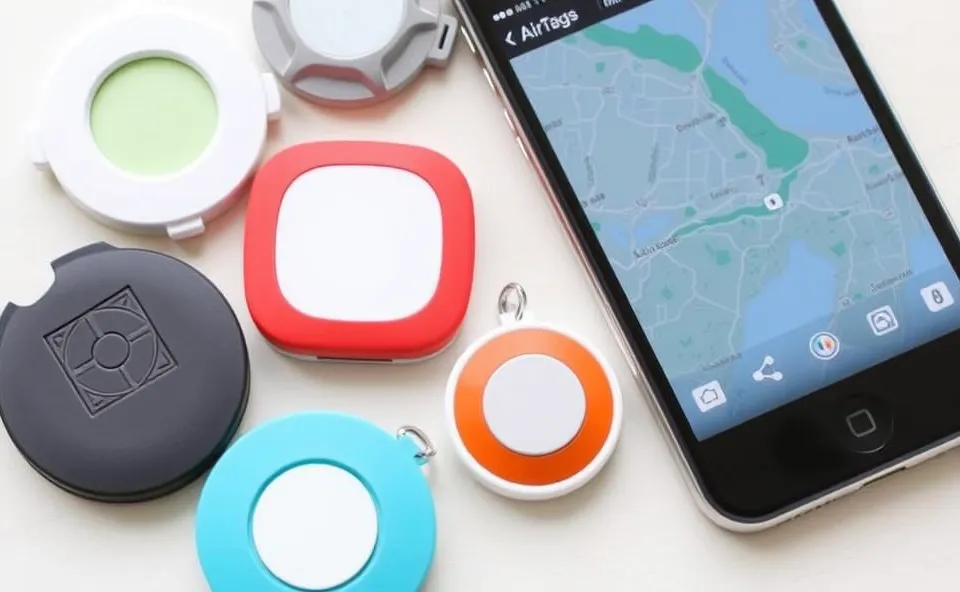
That Sinking Feeling: When Your Stuff Goes Missing
We’ve all been there. That sudden jolt of panic when you pat your pockets and find nothing. Your keys aren’t where they should be, your wallet has vanished from the usual spot, or your trusty backpack isn’t sitting by the door. In that moment, your day grinds to a halt, replaced by a frantic search and a rising sense of dread. Losing important items isn’t just inconvenient; it’s a huge source of stress and wasted time.
But what if there was a simple way to avoid that anxiety? What if a tiny, smart gadget could tell you exactly where your misplaced belongings are, often before you even realize they’re missing? That’s the magic of
Why We’re All Looking for Item Finders Right Now
It feels like everyone is talking about
Beyond our busy schedules, the technology itself has grown up. Early versions of these trackers were a bit clunky, with limited range and often unreliable connections. Today, however, they boast impressive range, louder alarms, and incredibly robust networks that help find items even when they’re far away. The rise of sophisticated ecosystems, like Apple’s vast
From Simple Beeps to Smart Tracking Networks
The idea of finding lost items isn’t new. Think back to those keychains that would beep if you clapped your hands. They were a fun novelty but pretty limited. The real game-changer came with Bluetooth technology, allowing small, battery-powered devices to connect wirelessly to your phone. Tile was a pioneer in this space, building its own network of users to help locate lost trackers, essentially creating a crowdsourced lost-and-found system.
Then, Apple entered the arena with the
Finding What Matters: Your Best Bluetooth Tracker Picks
Choosing the right Bluetooth tracker isn’t a one-size-fits-all decision. It really depends on your phone, what you’re tracking, and how important precision is. But one thing is clear: these devices provide invaluable peace of mind, saving you precious time and the stress of a frantic search. Here’s a look at some top contenders and what makes them shine:
Apple AirTag: The iPhone User’s Champion
If you’re an iPhone user, the
Tile Pro: A Strong Contender for Everyone
The
Pebblebee Clip 5 and the Android Ecosystem
For Android users looking for the
Beyond the Basics: Specialized Tracking
- Wallet Tracker: For wallets, slim-profile trackers are key. Some companies offer credit card-sized trackers that slip right into a card slot, making them discreet and effective.
- Lost Device Alerts: Most trackers offer “left behind” alerts, notifying your phone if you move out of range of your item. This proactive warning can prevent losses before they even happen.
- Luggage Tracker: While an AirTag excels here due to Apple’s vast network, any tracker with a good range and a strong community network can serve as a decent
luggage tracker , especially for items in transit or when you want to know if your bag made it onto the plane.
Ultimately, whether you lean towards the seamless iPhone integration of an
What’s Next for Finding Our Lost Belongings?
The world of Bluetooth trackers is far from standing still. We can expect some really exciting developments in the coming years that will make finding our stuff even easier and more precise. One major leap will be the wider adoption and refinement of
Another huge shift is the emerging competition and cooperation between major tech giants. Google’s anticipated launch of its own Find My Device network, essentially a
Quick Answers About Your Item Finder Journey
What are the best bluetooth trackers for both iPhone and Android?
For iPhone users, the Apple AirTag is often considered the top pick due to its unparalleled integration with the Find My network. For both iPhone and Android users, the Tile Pro offers excellent range, a loud ring, and a replaceable battery. Brands like Pebblebee, including the Pebblebee Clip 5, are also strong contenders, especially with upcoming Android network enhancements.
How does Apple’s Find My network compare to Tile’s for lost device alerts?
Apple’s Find My network leverages hundreds of millions of Apple devices globally to anonymously locate lost items, even if they’re far away. Tile’s network relies on its own user base. While Tile’s network is substantial, Apple’s is significantly larger, making the Apple AirTag exceptionally good for finding items lost out of your personal Bluetooth range. Both offer “left behind” alerts for items moving out of your immediate range.
Is UWB tracking a must-have for an item finder?
While not strictly “a must-have” for all uses, UWB tracking (Ultra-Wideband) offers incredibly precise, direction-finding capabilities for close-range searches. If you often misplace items inside your home or office, UWB-enabled trackers (like the Apple AirTag with compatible iPhones) can literally guide you directly to your hidden keys or wallet, making it a highly desirable feature for an accurate key tracker.
Can I use an Apple AirTag as a key tracker or luggage tracker if I have an Android phone?
No, an Apple AirTag is designed exclusively for use with Apple devices and the Find My app. While you might be able to find a lost AirTag with an Android phone if it’s in “Lost Mode” and emitting an NFC signal, you cannot pair it, track it regularly, or manage it with an Android phone. For Android users, a Tile Pro or a tracker like the Pebblebee Clip 5 (especially with the upcoming Google Find Hub) is a much better choice.
What should I look for in a wallet tracker?
For a wallet tracker, the most important factor is often size and form factor. Look for trackers that are credit card-sized or very thin so they can discreetly fit into a wallet slot without adding bulk. Beyond that, consider battery life (rechargeable vs. replaceable), the loudness of its alarm, and its compatibility with your phone’s tracking network (e.g., Tile’s network or the future Google Find Hub for Android).











