

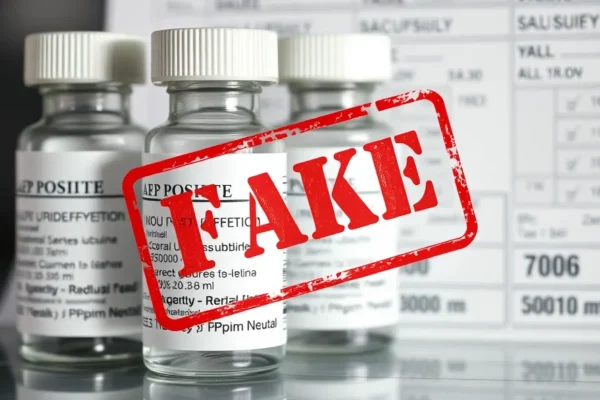
The Rise of Bodega Peptides: Viral Trend Meets Scientific Scrutiny
In recent months, a new wave of health and wellness products, often dubbed “bodega peptides,” has exploded across social media. These supposed miracle elixirs, promising everything from enhanced athletic performance to improved skin and cognitive function, are readily available in corner stores and online. However, a recent investigation by WIRED has cast a stark light on these viral products, revealing that laboratory tests indicate they are not what they claim to be. This exposé raises significant concerns about the unregulated market for supplement industry products, consumer fraud, and the potential health implications of ingesting mislabeled substances.
Unpacking the “Bodega Peptide” Phenomenon
What exactly are these “bodega peptides”? The term itself is a catch-all for a variety of liquid or powdered supplements that gain viral traction online, often through testimonials and influencer marketing. Peptides, in a scientific sense, are short chains of amino acids, the building blocks of proteins. Naturally occurring peptides play vital roles in the human body, from regulating hormones to supporting immune function. The allure of these products stems from the promise of harnessing these biological mechanisms for cosmetic or performance benefits, often without the rigorous oversight applied to pharmaceuticals.
The problem WIRED’s investigation highlights is that the widespread availability and aggressive marketing of these “viral peptides” appear to outpace any genuine scientific validation or regulatory approval. The accessibility in “bodegas” – typically convenience stores – further democratizes their availability, blurring the lines between everyday consumer goods and products with potentially potent biological effects. This rapid adoption, fueled by social media buzz, has created a potent mix of consumer interest and a lack of concrete information regarding product authenticity and efficacy.
The Science Doesn’t Add Up: Lab Tests Expose a Deception
The core of WIRED’s groundbreaking report centers on laboratory analysis conducted on samples of these popular “bodega peptides.” Using advanced analytical techniques, researchers aimed to identify and quantify the peptide content within the tested products. The results, as detailed in the WIRED investigation, were definitive: the substances tested did not contain the peptides advertised, nor did they contain any identifiable peptide chains.
To understand the implications, consider this analogy: imagine ordering a specialized, high-performance lubricant for a precision machine. You expect it to be a specific chemical compound with unique properties. If, upon testing, you discover the bottle contains simple cooking oil instead, you’ve been defrauded, and the machine likely won’t perform as expected, or worse, could be damaged. Similarly, consumers purchasing “bodega peptides” believing they are receiving scientifically formulated compounds are, according to this lab analysis, being misled.
The lab tests likely employed methods such as High-Performance Liquid Chromatography (HPLC) and Mass Spectrometry (MS). These techniques are standard in ingredient testing for identifying and confirming the presence and quantity of specific molecules. HPLC separates complex mixtures into their individual components, while MS then weighs these components, allowing scientists to determine their exact chemical identity. The reported findings suggest that the “peptide” products either contained entirely different, inert substances, or were simply empty formulations.
A Market Thriving on Hype, Not Proof
The implications of an unregulated market for these “fake peptides” are far-reaching. The supplement industry, while offering beneficial products, has historically operated with less stringent oversight than the pharmaceutical sector. This allows for a faster product development cycle but also creates vulnerabilities for consumer fraud. When products gain viral status without independent verification of their claims, the risk of widespread deception increases dramatically.
Consumers are left in a precarious position. They are spending money on products that, according to rigorous lab analysis, do not deliver on their promised benefits. This isn’t just about ineffective products; it’s about potential health risks. Ingesting unknown substances without proper ingredient testing can have unforeseen consequences, especially for individuals with existing health conditions or those taking other medications. The lack of transparency in the supply chain and the absence of robust product authenticity checks mean that consumers are essentially taking a gamble with their health.
The “bodega peptide” trend exemplifies a broader challenge: the intersection of social media virality and consumer trust in an unregulated market. The pressure to conform to trends, coupled with the desire for quick health fixes, can override critical thinking. The ease of purchase, from local bodegas to online storefronts, masks the underlying lack of scientific backing and quality control.
What Else is Out There? Alternatives and the Real Peptide Landscape
It’s crucial to distinguish these alleged “bodega peptides” from legitimate peptide therapies and supplements that are supported by scientific research and prescribed by healthcare professionals. True peptide therapies, often used for conditions like diabetes or for specific medical treatments, undergo extensive clinical trials and regulatory approval. There are also research chemicals and legitimate peptide supplements available, but these typically come with clear disclaimers and are marketed through channels that emphasize scientific understanding rather than viral trends.
The existence of these purported “fake peptides” also highlights the need for greater scrutiny within the broader supplement industry. Companies that prioritize transparency, conduct thorough ingredient testing, and adhere to good manufacturing practices are essential for consumer safety. Consumers seeking performance or wellness benefits from supplements should look for products from reputable brands with clear labeling and a history of scientific validation, rather than succumbing to viral marketing.
The Road Ahead: Regulation, Awareness, and Trust
The WIRED investigation into these “viral peptides” serves as a critical wake-up call. The implications for consumer fraud are significant, potentially eroding trust in the entire health and wellness sector. For individuals seeking genuine health benefits, the current landscape is fraught with misinformation and deceptive practices.
The challenges ahead involve increased regulatory attention, enhanced ingredient testing protocols for supplements, and greater consumer awareness. Educational campaigns that empower individuals to critically evaluate health claims and understand the difference between scientifically validated products and trending elixirs are vital. The supplement industry itself has a responsibility to self-regulate and ensure product authenticity and safety. Without these measures, the cycle of viral trends and subsequent exposés is likely to continue, leaving consumers vulnerable.
A Look at the Unknowns and What’s Next
What are the key questions surrounding these “bodega peptides”?
- Are all “viral peptides” fake? While WIRED’s investigation found specific products to be mislabeled, it’s possible some products marketed under similar names might contain actual peptides. However, the lack of regulation means it’s difficult for consumers to verify this.
- What are consumers actually ingesting? Lab analysis suggests the tested products contained substances other than peptides. The exact nature of these unknown ingredients and their potential health effects remain a significant concern.
- Who is responsible for this unregulated market? The responsibility is multifaceted, involving manufacturers, distributors, online platforms, and influencers who promote these products without due diligence.
- How can consumers protect themselves from fake peptides? Stick to reputable brands, research ingredients thoroughly, consult healthcare professionals before trying new supplements, and be wary of products making extravagant health claims that seem too good to be true.
- Will there be stricter regulations for peptide supplements? Increased scrutiny and potential regulatory action are likely following such revelations. This could lead to more rigorous testing and labeling requirements.
- What is the long-term impact on the supplement industry? This type of exposure can damage consumer trust. Reputable companies will likely emphasize their commitment to transparency and scientific validation to differentiate themselves.
This situation underscores the critical need for robust ingredient testing and transparent labeling in the rapidly evolving health and wellness market. While the allure of quick health fixes is understandable, relying on scientifically unsubstantiated and potentially mislabeled products poses significant risks to consumer well-being.
It is important to note that this article is based on information from a specific investigation. Further independent testing and regulatory oversight are necessary to fully understand the scope of this issue across the entire market of viral health products.











