

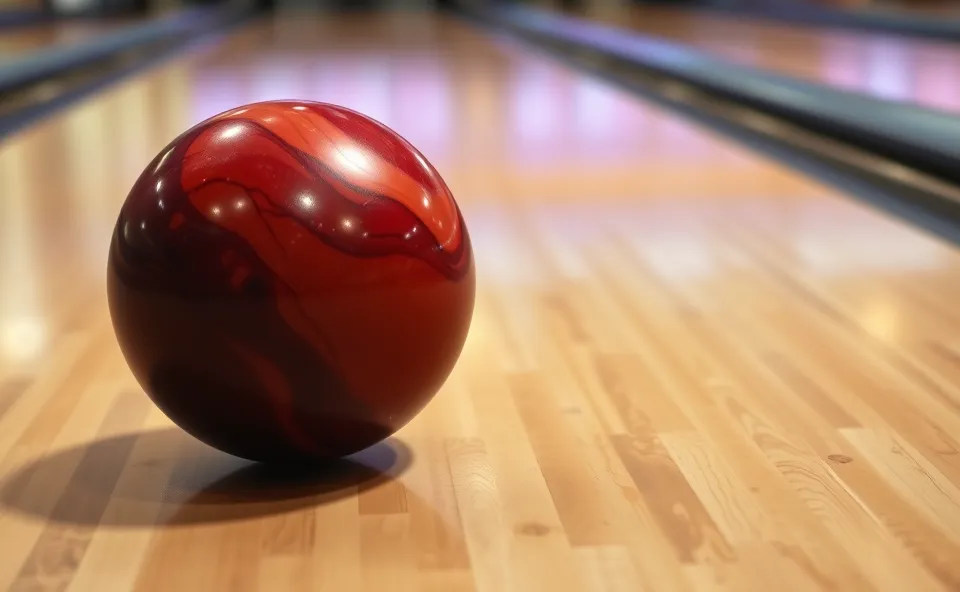
The Secret Sauce of the Lanes: Unpacking Bowling Lane Oil
Ever watch a pro bowler make that seemingly impossible shot, the ball dancing perfectly on the polished wood? Or maybe you’ve stepped onto a lane yourself and felt your ball just… slide? The difference, more often than not, comes down to something you can’t even see: bowling lane oil. It’s not just about making things slippery; it’s a carefully engineered system that dramatically shapes your bowling strategy and performance.
Why Are We Talking About Lane Oil Now?
You might be wondering why bowling lane oil is suddenly a hot topic. Well, the world of competitive bowling, especially with big tournaments and leagues in full swing, brings this intricate aspect of the sport into the spotlight. As bowlers strive for peak performance, they’re naturally looking for every edge. Understanding lane oil and its impact on the bowling ball reaction is key to that quest. Plus, with advancements in oil application technology and bowling ball design, the conversation around how to best navigate these slick conditions is always evolving.
A Slick History: From Simple Lubrication to Complex Patterns
In the early days of bowling, lanes were often just oiled to protect the wood from the bowling ball. It was a basic lubrication job, with oil applied pretty evenly from start to finish. This meant the ball would hook less and less as it traveled down the lane, leading to a more predictable, albeit less dynamic, reaction. Think of it as a gentle slide down a ramp.
As the sport grew and technology advanced, so did the science of lane conditioning. We moved from simply oiling the whole lane to creating specific, intentional patterns of oil application. This is where the magic, and the challenge, really begins. These patterns aren’t random; they’re designed to test a bowler’s ability to read the lane and make adjustments. The introduction of the “sport shot” versus the more common “house shot” marked a significant shift. House shots are generally more forgiving, with more oil in the middle and less on the outside, encouraging a straighter ball path. Sport shots, on the other hand, feature a wider variety of oil volumes and distributions, demanding much more precision and strategic thinking.
The Impact: How Oil Patterns Shape Your Game
So, how does all this oil actually affect your bowling ball reaction and, consequently, your bowling strategy? It all boils down to friction. The oil acts as a lubricant, reducing the friction between the bowling ball and the lane surface. Where the oil is heavy, there’s less friction, and the ball tends to skid or slide more. Where the oil is light or completely absent, friction increases, allowing the ball to grip the lane and change direction more dramatically – this is where the “hook” happens.
Different oil patterns create different challenges:
- Concentrated patterns: These often have a “free board” on the outside, meaning very little oil. A ball thrown too wide will hook extremely early and sharply. The pocket of playable oil is typically in a tighter range down the lane.
- Flat patterns: These have a more even distribution of oil across the lane. This means the ball will hook less overall, and the transition from oil to dry lane is more gradual. Bowlers need to generate more ball speed or use a less reactive ball to get down the lane.
- Cheetah, Viper, Chameleon, Shark: These are just a few examples of named sport oil patterns, each with its own unique length, volume, and width. A “Cheetah” might be a shorter, faster pattern, while a “Shark” is typically a longer, tougher pattern with less room for error.
The amount of oil, known as the oil volume, plays a huge role. Higher oil volume means more lubrication, and your ball will travel further down the lane before it starts to hook. Lower oil volume means less lubrication, and the ball will react sooner. Lane speed also interacts with oil patterns. A faster ball will often skid through more oil before grabbing the lane, while a slower ball will react more quickly to the transitions.
This is why mastering bowling strategy is so crucial. As the oil breaks down or transitions during play (oil gets pushed down the lane by the balls, creating drier areas and thicker areas), bowlers need to make constant adjustments. This could mean:
- Changing your target: Moving your starting position on the approach or aiming for a different spot on the lane.
- Adjusting your ball speed: Throwing the ball faster to overcome more oil, or slower to get more reaction.
- Switching bowling balls: Using a ball with a different coverstock or core to match the changing lane conditions.
- Altering your release: Changing the way you impart rotation or force on the ball.
It’s a constant chess match between the bowler, the ball, and the lane conditions.
Looking Ahead: The Evolution of Lane Conditioning
The future of bowling lane oil and its application is likely to see continued refinement. We’re seeing more sophisticated oiling machines that can create incredibly precise patterns. This means that the challenges presented by sport shots will only become more nuanced. Expect to see more advanced diagnostic tools that help bowlers and lane technicians better understand how oil is breaking down on a specific lane at a specific time. Furthermore, the relationship between advanced bowling ball technology and these precise oil patterns will continue to be a key area of innovation, pushing the boundaries of what’s possible in terms of bowling performance.
Frequently Asked Questions About Bowling Lane Oil
What is the primary purpose of bowling lane oil?
The primary purpose of bowling lane oil is to reduce friction between the bowling ball and the lane surface. This lubrication helps protect the lane from wear and tear caused by the ball and, more importantly, controls how the ball reacts as it travels down the lane, enabling bowlers to execute their desired trajectory and achieve better bowling performance.
How do different oil patterns affect bowling strategy?
Different oil patterns, such as sport shots and house shots, significantly alter bowling strategy by changing the amount of friction available to the bowling ball. A pattern with more oil in the center and less on the sides, for instance, encourages a straighter shot, while a pattern with oil distributed differently requires a bowler to adjust their line and ball choice to find the right part of the lane for their bowling ball reaction.
What is the difference between a house shot and a sport shot in terms of lane oil?
A house shot typically has a heavier concentration of oil in the middle of the lane, tapering off towards the edges. This makes the lane more forgiving, allowing for a wider margin of error. A sport shot, on the other hand, features more complex oil patterns with varying oil volume and width, demanding more precise adjustments and a deeper understanding of friction on lanes for optimal bowling strategy.
How does oil volume impact a bowling ball’s reaction?
Higher oil volume means more lubrication, causing the bowling ball to travel further down the lane before it starts to hook. Conversely, lower oil volume means less lubrication, leading the ball to react to the dry part of the lane sooner and with more intensity, directly influencing the bowling ball reaction and requiring specific bowling adjustments.
Can bowlers make adjustments for different bowling lane oil conditions?
Absolutely. Bowlers make various adjustments for different bowling lane oil conditions, including changing their starting position on the approach, adjusting their ball speed, switching to a different bowling ball with varied surface preparation or core characteristics, and altering their release to find the best bowling strategy for the current lane conditioning.











