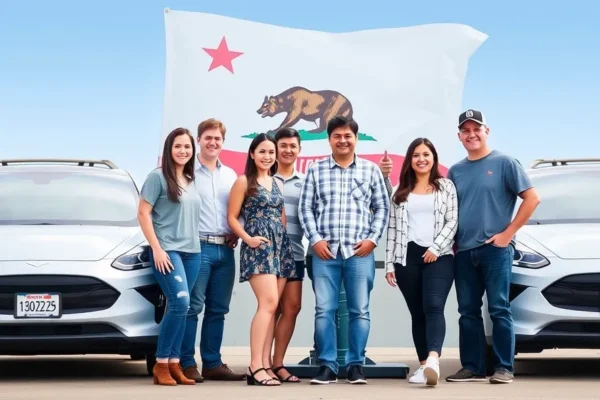
California’s EV Rebate Program Fuels Significant Electric Vehicle Adoption
California’s ambitious initiative to incentivize electric vehicle (EV) purchases has demonstrated notable success, with nearly 12,000 residents utilizing a state rebate program to acquire zero-emission vehicles. This development underscores the growing impact of government auto incentives on consumer behavior and the broader push toward sustainable transportation.
The Data Behind the Adoption Surge
According to data released by the California Air Resources Board (CARB), approximately 11,950 new clean energy vehicles were purchased by California residents under the Clean Vehicle Rebate Project (CVRP) in the most recent reporting period. This figure represents a significant portion of the total EV purchases within the state and highlights the program’s direct influence on car buying decisions. The program, designed to offset the upfront cost of electric vehicles, has been a key component of California’s strategy to reduce greenhouse gas emissions and improve air quality. The total value of rebates disbursed under this program during the same period reached an estimated $52.7 million, reflecting the substantial investment made to encourage adoption of these advanced vehicles.
Understanding the Catalysts for This Trend
The success of California’s EV rebate program is multifaceted. Firstly, the program directly addresses a primary barrier to EV adoption: the higher initial purchase price compared to traditional gasoline-powered cars. By offering financial incentives, the state makes electric vehicles more accessible to a wider range of California residents. Secondly, this initiative aligns with a broader market trend of increasing consumer interest in electric vehicles, driven by growing environmental awareness, improving EV technology (such as increased range and faster charging), and expanding model availability. The consistent availability of these state rebate programs acts as a reliable signal to consumers that purchasing an electric vehicle is a financially viable and supported choice. Furthermore, federal tax credits for EVs, when available and applicable, can further reduce the net cost, amplifying the impact of state-level auto incentives.
Financial Context and EV Market Dynamics
The increasing number of EV purchases in California, spurred by programs like CVRP, provides valuable insight into the financial health and growth trajectory of the electric vehicle sector. Major EV manufacturers, such as Tesla (TSLA) and established automakers like General Motors (GM) and Ford (F) that are investing heavily in EV production, often cite strong demand in key markets like California as a driver for their revenue growth. For instance, Tesla’s Q4 2023 earnings report indicated strong delivery numbers, with a significant percentage attributed to sales in North America, where California plays a dominant role. The average rebate amount under the CVRP program has historically hovered around $2,000 to $2,500 per vehicle, directly impacting the effective purchase price and enhancing the value proposition for consumers. This program not only boosts sales for EV manufacturers but also supports the burgeoning charging infrastructure and related clean energy industries, creating a positive feedback loop for sustainable transportation development.
Analysis: What This Means for Investors and the Market
The sustained success of California’s EV rebate program signals robust demand for electric vehicles, which is a critical fundamental for companies operating in the automotive and clean energy sectors. For investors, this trend indicates continued growth potential for EV manufacturers and their suppliers. Key metrics to watch include production volumes, market share gains in states with similar incentives, and profitability margins, which can be influenced by the net cost of vehicles after rebates and tax credits. Market sentiment around EVs remains generally positive, though subject to fluctuations based on economic conditions and regulatory shifts. The consistent uptake of EVs in California suggests that consumer adoption is moving beyond early adopters and into the mainstream, supported by these financial incentives. This can translate into higher revenue streams and potentially improved earnings for companies that successfully navigate the competitive landscape and meet consumer demand for zero-emission vehicles.
Related Opportunities and Competitive Landscape
The success of California’s EV rebate program has ripple effects across the broader automotive and clean energy industries. It highlights the effectiveness of government intervention in shaping consumer preferences and accelerating market transitions. Competitors in the EV space, including both pure-play EV manufacturers and traditional automakers electrifying their fleets, benefit from this increased demand. Companies involved in battery manufacturing (e.g., LG Chem, Panasonic), charging infrastructure (e.g., ChargePoint, EVgo), and electric component suppliers are also positively impacted. The trend suggests that states and countries with similar incentive structures or strong clean energy mandates may see comparable increases in EV purchases. Conversely, traditional internal combustion engine (ICE) vehicle manufacturers may face increased pressure to accelerate their EV transition plans to remain competitive. The development also supports investments in renewable energy sources needed to power the growing EV fleet sustainably.
Future Outlook: What to Watch Next
Looking ahead, investors and industry observers will be closely monitoring several factors that could influence the future trajectory of EV adoption, both in California and nationally. The potential for changes or extensions to the Clean Vehicle Rebate Project, as well as the evolution of federal EV tax credits, will be significant. The upcoming earnings reports from major automakers and EV manufacturers will provide updated insights into sales figures, production capacities, and profitability in the EV segment. Regulatory developments concerning emissions standards and mandates for zero-emission vehicles will also play a crucial role. Furthermore, consumer perception of EV costs, range anxiety, and charging availability will continue to shape purchasing decisions. The pace of innovation in battery technology and charging solutions will also be a key determinant of future market growth. Analysts expect continued year-over-year growth in EV sales, but the rate of this growth may be influenced by economic conditions and the availability of compelling new models at competitive price points.
Risk Disclaimer
Past performance does not guarantee future results. Markets are volatile and investment decisions should be made with careful consideration of individual financial circumstances and risk tolerance. The information provided is for informational purposes only and does not constitute financial advice. Readers are encouraged to consult with a qualified financial advisor before making any investment decisions.
Frequently Asked Questions
What is the primary goal of the California EV rebate program?
The primary goal of the California EV rebate program, such as the Clean Vehicle Rebate Project (CVRP), is to encourage California residents to purchase electric vehicles and other zero-emission vehicles. By offering financial incentives, the program aims to reduce the higher upfront cost of EVs, making them more accessible and thus accelerating the adoption of clean energy transportation solutions across the state.
How many California residents have benefited from the state rebate program for electric vehicles?
According to recent data from the California Air Resources Board (CARB), approximately 11,950 California residents have utilized the Clean Vehicle Rebate Project (CVRP) to purchase electric vehicles in a recent reporting period. This figure demonstrates the program’s significant reach in incentivizing EV purchases among the state’s population.
What is the impact of the California EV rebate on overall EV purchases?
The California EV rebate has a direct and measurable impact on overall EV purchases within the state. By reducing the effective purchase price of electric vehicles, these auto incentives make EVs more competitive with traditional gasoline cars, driving higher sales volumes. This has contributed significantly to California’s status as a leading market for electric vehicle adoption in the United States.
Are there other states offering similar auto incentives for electric vehicles?
Yes, several other states in the U.S. offer their own auto incentives and rebates for electric vehicles, although the structure and value of these programs vary. States like Colorado, Oregon, and Washington have implemented various programs to encourage the adoption of zero-emission vehicles, often complementing federal tax credits for EVs and contributing to regional clean energy goals.
What are the key risks associated with investing in electric vehicle companies benefiting from state rebate programs?
Key risks for investors in EV companies that benefit from state rebate programs include changes or expirations of these incentives, increased competition leading to price wars, challenges in scaling production to meet demand, fluctuations in raw material costs for batteries, and potential regulatory shifts. While state rebate programs boost demand, they are not a permanent guarantee of sales volume. Furthermore, the overall market sentiment towards growth stocks and the automotive sector can also impact valuations.
How does the success of California’s EV rebate program compare to national trends in electric vehicle adoption?
California consistently leads national trends in electric vehicle adoption, and its rebate program is a significant contributing factor. While EV sales are growing across the U.S., California’s market penetration is substantially higher due to a combination of factors, including strong state incentives like CVRP, strict emissions regulations, and a consumer base that is often more receptive to new technologies and sustainable transportation. The state’s initiatives often set a benchmark for other regions looking to boost their own clean energy adoption rates.