

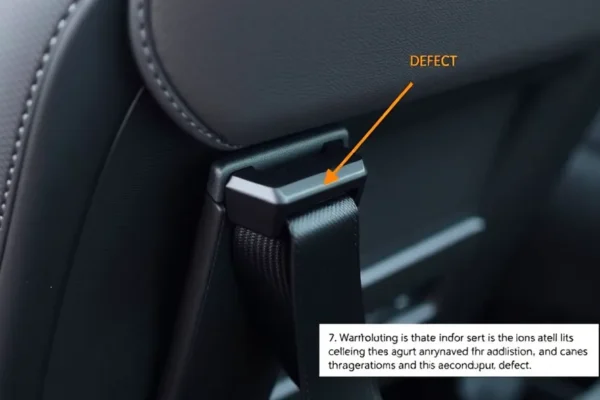
A Seat Belt Snagging More Than Just Comfort
Imagine hopping into your brand new Dodge Hornet or Alfa Romeo Tonale, ready for a drive, and then something feels a little off with your seat belt. That’s exactly the situation prompting a recent chrysler recall affecting nearly 50,000 vehicles. NHTSA recall notices are never something to ignore, and this one involves a specific, rather crucial, component the seat belt retractor. It turns out, on certain Dodge Hornet and Alfa Romeo Tonale models, the seat belt retractors might twist in a way that compromises their function. This isn’t about a minor inconvenience; it’s about ensuring that in the critical moments when a seat belt needs to do its job, it can do it effectively.
Why the Buzz Now?
You’re probably seeing this news crop up because this chrysler recall has officially been issued by the National Highway Traffic Safety Administration (NHTSA). When a government agency like NHTSA flags a potential vehicle safety defect, it triggers a cascade of official actions and widespread consumer alerts. Automakers then have a set period to inform owners and rectify the issue. This particular seat belt recall for the Dodge Hornet and Alfa Romeo Tonale means the problem has moved from a potential concern to an active, acknowledged safety issue that needs attention. This makes it a trending topic for anyone interested in automotive safety or the owners of these specific vehicles.
Untangling the Retractor’s Tale
To truly grasp this automotive recall, a little background helps. The seat belt retractor is that part of your seat belt system that spools the belt up when you’re not wearing it and allows it to smoothly extend when you need it. More importantly, it’s designed to lock up during sudden stops or impacts, preventing excessive belt movement. In this case, the issue stems from the possibility of the seat belt retractor twisting. This twisting can happen during assembly or potentially over time. When a retractor twists, it can prevent the seat belt from extending properly or, more concerningly, it could hinder its ability to lock effectively during a collision. Think of it like a tangled fishing line; it’s not going to cast smoothly, and in a safety situation, a tangled belt simply won’t perform as intended. This underlying issue is why it’s being addressed as a significant vehicle safety defect.
What This Means for You and the Road
So, what’s the real impact of this chrysler recall on drivers and the broader automotive landscape? For owners of the affected Dodge Hornet and Alfa Romeo Tonale models, the primary takeaway is a need for prompt action. This seat belt recall means a visit to the dealership is in your future. The good news is that these recalls are typically free for consumers. The manufacturers will inspect and, if necessary, repair or replace the faulty seat belt retractors. The impact on the businesses involved, Stellantis in this case, is significant. Recalls are costly. They involve logistics, parts, labor, and can affect brand perception. A seat belt recall, in particular, touches upon a core element of vehicle safety, which is a foundational aspect of consumer trust.
From a technology perspective, while the components themselves might seem straightforward, the precision required in automotive manufacturing is immense. Even a small deviation in the installation or design of something as vital as a seat belt retractor can lead to these situations. This reinforces the constant drive for improved quality control and assembly processes within the automotive industry. It’s a reminder that even with advanced engineering, small mechanical issues can sometimes slip through. For the market, this type of recall can temporarily influence consumer confidence in specific models, though effective and transparent recall handling can often mitigate long-term damage. The Dodge Hornet safety and Alfa Romeo Tonale safety profiles are being actively addressed with this proactive measure.
Looking Ahead: Beyond the Current Recall
What does the road ahead look like after this seat belt recall? For the owners of these specific vehicles, the immediate future involves getting the recall service completed. This ensures their vehicles meet safety standards. For Stellantis, the focus will be on ensuring the fix is robust and that similar issues are prevented in future production runs. This might involve refining assembly line checks or even reevaluating the supplier for the seat belt retractors.
In the broader automotive world, this incident serves as another data point in the ongoing effort to enhance vehicle safety. Expect continued scrutiny from agencies like NHTSA and a persistent focus from manufacturers on perfecting their quality control. Trends in automotive safety are always moving forward, with manufacturers constantly seeking to design more advanced safety features and improve the reliability of existing ones. This chrysler recall, while specific to certain models, highlights the importance of every single component working perfectly in a vehicle. It’s a nudge for everyone in the industry to keep paying attention to the details that keep us safe on the road. The emphasis on Dodge Hornet safety and Alfa Romeo Tonale safety will likely continue as the remedy period progresses.
Your Questions Answered About This Chrysler Recall
What exactly is the problem in this Chrysler recall involving the Dodge Hornet and Alfa Romeo Tonale?
This chrysler recall is due to a potential issue where the seat belt retractors in certain Dodge Hornet and Alfa Romeo Tonale vehicles might twist. This twisting could prevent the seat belt from extending properly or from locking effectively during a crash, compromising its safety function.
How many vehicles are affected by this seat belt recall?
The NHTSA recall affects a total of 48,777 Dodge Hornet and Alfa Romeo Tonale vehicles. This number indicates a significant batch of cars where the vehicle safety defect needs to be addressed.
Do I need to worry about my Dodge Hornet safety or Alfa Romeo Tonale safety with this car recall?
While the defect is concerning, the fact that it’s a widely publicized NHTSA recall means that manufacturers are aware and working to fix it. It’s always wise to be aware of any automotive recall related to your vehicle. Getting the necessary repairs done promptly will ensure your Dodge Hornet safety and Alfa Romeo Tonale safety are restored.
What should I do if I own one of these affected vehicles and have a seat belt recall notice?
If you own an affected Dodge Hornet or Alfa Romeo Tonale, you should expect to receive a notification from the manufacturer. You will then need to schedule an appointment with an authorized dealer to have the seat belt retractor inspected and repaired or replaced free of charge. This is a crucial step for addressing the seat belt retractor issue.
Will there be a cost associated with fixing the seat belt defect from this automotive recall?
Typically, repairs performed as part of an official NHTSA recall are completely free of charge to the vehicle owner. Stellantis will cover the costs for inspecting and correcting the faulty seat belt retractor on the affected Dodge Hornet and Alfa Romeo Tonale models.











