Understanding the France Debt Crisis and Potential IMF Bailout
When we hear about a country facing a “debt crisis,” it sounds serious, and it is. Imagine a household that has borrowed so much money it can’t make its regular payments. That’s a personal debt crisis. A France debt crisis is similar, but on a much larger scale, affecting an entire nation and potentially impacting global economies. This situation raises concerns about a possible IMF bailout, a plea to the European Central Bank (ECB), and can lead to significant social unrest and political instability.
Understanding sovereign debt, budget deficits, and how countries borrow is crucial because these issues can ripple outwards, affecting the value of money, job security, and even the cost of everyday goods for people around the world. It’s not just abstract economics; it has real-world consequences.
How a Nation’s Debt Crisis Unfolds
Let’s break down how a country like France might find itself in a debt crisis. A nation, just like a person or a business, spends money. This spending comes from taxes collected from citizens and businesses. When a government spends more money than it collects in taxes, it has a budget deficit. To cover this shortfall, the government borrows money by issuing something called bonds.
Think of a bond as an IOU. The government promises to pay back the money it borrowed (the principal) on a certain date and usually pays interest along the way. Individuals, banks, pension funds, and even other countries buy these bonds. France, being a large and stable economy, has historically been able to borrow money at relatively low interest rates because investors felt confident they would get their money back.
However, when a country’s debt grows too large, and its ability to repay looks uncertain, investors start to worry. They begin demanding higher interest rates to compensate for the increased risk of not being paid back. These higher interest rates are reflected in rising bond yields (the interest rate paid on a bond). If France’s sovereign debt becomes too burdensome, and its economy isn’t growing fast enough to manage it, it can reach a point where investors are unwilling to lend more money, or only at extremely high, unsustainable interest rates.
This is where the concept of an IMF bailout comes in. The International Monetary Fund (IMF) is an organization that helps countries facing severe economic problems. If a country is on the brink of defaulting on its debts (meaning it can’t pay what it owes), it can ask the IMF for financial assistance. This usually comes with strict conditions, requiring the country to implement economic reforms, cut spending, or raise taxes to get its finances in order.
A plea to the European Central Bank (ECB) might also occur. The ECB is the central bank for the Eurozone, the group of European Union countries that use the euro. The ECB can potentially buy a country’s bonds to help lower its borrowing costs, but it has its own mandates and limitations.
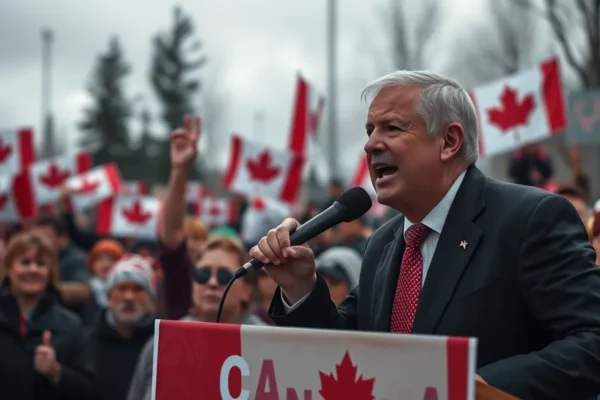
The current situation in France, with France protests escalating into France riots, highlights how economic hardship and perceived government mismanagement can lead to widespread discontent and social unrest, further exacerbating political instability and making the debt crisis even harder to resolve.
Why This Matters to You and the Global Economy
When a major economy like France faces a debt crisis, it doesn’t stay contained within its borders. The ripple effects can be significant:
- For individuals: Higher borrowing costs for governments can translate to higher interest rates on loans for consumers, like mortgages and car loans. Inflation could also rise if a government resorts to printing more money to cover its debts, eroding the purchasing power of your savings. Job markets can be affected if businesses face uncertainty and cut back on hiring or even lay off workers.
- For the global economy: France is a major player in the global economy. A severe crisis could destabilize European financial markets, impact international trade, and reduce investor confidence worldwide. This uncertainty can lead to a slowdown in economic growth globally.
- Who benefits and who is affected: If France successfully navigates the crisis with reforms, its economy could emerge stronger, benefiting its citizens and global partners. However, during the crisis, investors who hold French bonds might face losses if yields soar or if the country defaults. Citizens often bear the brunt of austerity measures, which can involve cuts to public services or tax increases.
Historical Context and Current Triggers
The concept of sovereign debt and the potential for crises is as old as organized states. Historically, nations have defaulted on their debts, leading to economic turmoil and sometimes political upheaval. The establishment of international bodies like the IMF in the aftermath of World War II was partly to prevent and manage such crises on a global scale.
In recent years, many developed nations, including those in Europe, have accumulated significant levels of debt, often driven by factors like aging populations, extensive social welfare programs, and responses to economic shocks like the 2008 financial crisis and the COVID-19 pandemic. The ongoing debate about the sustainability of France’s public finances has been a long-standing concern. Specific triggers for the current heightened concern include persistent budget deficits, rising interest payments on the growing debt, and public opposition to government reforms aimed at fiscal consolidation.
For instance, reports from institutions like the European Commission often detail member states’ budget balances and debt levels. According to Eurostat, France’s debt-to-GDP ratio has been on an upward trend, a key indicator watched by economists and investors. For example, data released by Eurostat indicated France’s government debt stood at approximately 110% of its GDP in the fourth quarter of 2023, highlighting the scale of its financial obligations.
Thinking About This in Your Financial Life
While you can’t directly control national debt levels, understanding these dynamics can inform your personal financial perspective:
- Diversification is key: Just as investors diversify their portfolios to spread risk, thinking about your own finances with diversification in mind can be wise. This means not putting all your savings into one type of investment or relying on a single income source.
- Economic foresight: Stay informed about major economic trends. News about a France debt crisis or potential IMF bailout can be a signal to be more cautious with your spending and to ensure your emergency fund is robust.
- Inflation awareness: Be aware of how government actions and economic stability can influence inflation, which directly impacts the cost of your groceries, fuel, and housing.
A common misconception is that national debt is always a sign of impending doom. While high debt poses risks, a country’s ability to manage its debt depends on its economic strength, its ability to grow, and the stability of its political system. It’s the combination of high debt and a weakening economy or political turmoil that creates a crisis.
Connecting France’s Debt to Broader Economic Concepts
Understanding the France debt crisis is easier when viewed alongside related financial concepts:
- Sovereign Debt: This is the debt incurred by a national government. It’s fundamental to understanding how countries fund their operations and can lead to crises if unmanageable.
- Budget Deficit vs. National Debt: A budget deficit is the shortfall in a single year; national debt is the accumulation of all past deficits.
- Bond Yields: These are crucial indicators of market confidence. Rising yields suggest increased risk or demand for borrowing.
- Austerity Measures: Often a condition of bailouts, these involve government spending cuts and/or tax increases to reduce deficits.
- Economic Crisis: A broad term encompassing severe disruptions to a country’s economic activity, often involving high unemployment, falling output, and financial instability.
- Political Instability: The lack of stable governance can deter investment and hinder economic recovery, exacerbating debt issues.
Frequently Asked Questions about the France Debt Crisis
What exactly is a France debt crisis?
A France debt crisis occurs when the French government struggles to manage its accumulated borrowing (sovereign debt), potentially leading to difficulties in paying its debts or requiring emergency financial assistance, like an IMF bailout.
Could France really need an IMF bailout?
While France is a major economy, severe fiscal mismanagement or an inability to borrow at reasonable rates could theoretically lead to a situation where an IMF bailout becomes necessary, though this is currently considered a distant possibility.
How do France protests and riots relate to the debt crisis?
France protests and France riots often stem from public dissatisfaction with economic conditions, government policies (like austerity or pension reforms) aimed at tackling the debt, and a general sense of political instability, creating a cycle of unrest that can worsen the economic situation.
What are bond yields and why are they important in a debt crisis?
Bond yields represent the interest rate a government pays on its debt. Rising bond yields in France would indicate investors are demanding more money to lend to France, making it more expensive to service its debt and potentially signaling a loss of confidence.
Can this economic crisis affect my savings or investments?
Yes, a significant economic crisis in a major country like France can impact global markets. This can lead to lower returns on investments, currency fluctuations, and increased economic uncertainty that affects personal financial planning.
What are the risks of a large budget deficit?
A large budget deficit means the government is spending more than it earns, leading to an increase in national debt. Over time, this can lead to higher interest payments, reduced government services, and a potential for future economic instability or a need for a bailout.
This is educational content and does not constitute financial advice. Financial situations vary greatly, and individuals should consult with a qualified financial professional for personalized guidance based on their specific circumstances. Market conditions and economic outcomes are subject to change and are not guaranteed.