

From Ruins to Residences A Clever New Way to Build
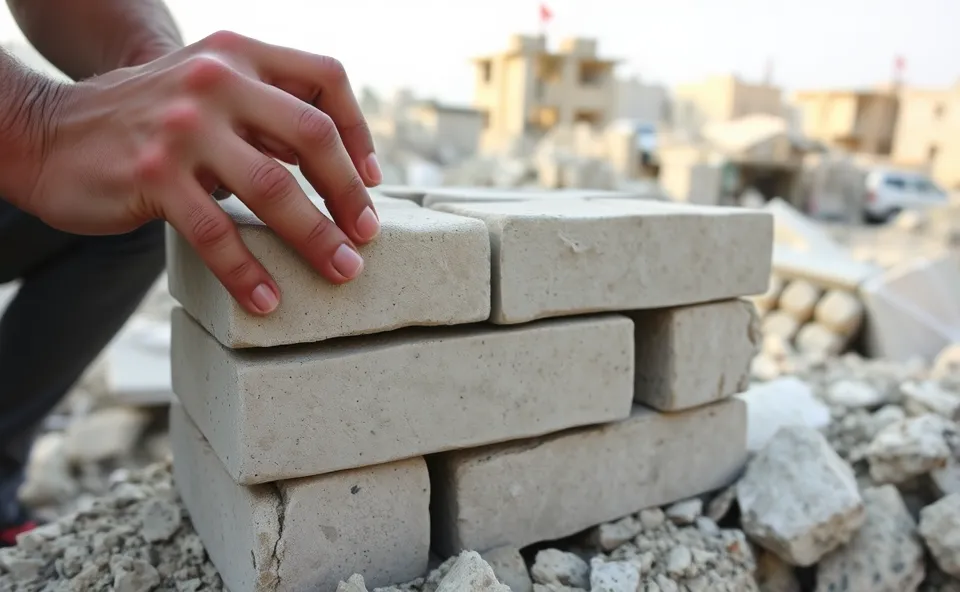
Imagine looking at piles of broken concrete and twisted metal, the leftovers from destruction, and seeing not just debris, but building blocks. That’s exactly what’s happening in Gaza. In a truly inspiring show of innovation, people are figuring out how to transform the rubble from damaged buildings into something useful: shelter. They’re making what’s being called Lego-like construction materials, specially designed interlocking blocks that can be used to build homes. It’s a smart and resourceful response to a really difficult situation.
Why Are We Talking About This Now?
This incredible ingenuity has caught the attention of many, and that’s why you’re seeing more and more about Gaza rebuilding and these unique rubble bricks. The world is recognizing the powerful impact of finding practical solutions when traditional materials are scarce. It highlights a growing interest in sustainable building practices and the amazing things that can be achieved through construction innovation, especially in areas facing significant challenges. It’s a story of human resilience and clever problem-solving that resonates with a lot of people looking for positive developments in the world.
The Story Behind the Struggle
To really appreciate this breakthrough in Gaza rebuilding, it helps to understand the challenges faced. For a long time, Gaza has been under a material blockade, meaning it’s extremely difficult to bring in essential supplies like cement, steel, and other common building materials. This blockade, coupled with the repeated destruction of infrastructure, has left many people without safe places to live. For years, the focus has been on getting basic aid and trying to repair damaged homes with whatever limited resources were available. But the sheer scale of the need and the persistent restrictions meant that finding truly sustainable and scalable solutions for constructing new Palestinian shelters was a huge hurdle. This ongoing situation created a desperate need for a new approach, a way to build that didn’t rely on external supplies that could be easily blocked.
The Big Picture: What This Means for Us
This isn’t just about building houses; it’s about so much more. The use of rubble bricks in Gaza is a powerful example of debris recycling on a grand scale, turning waste into a valuable resource. For people in Gaza, it means the possibility of more secure and stable housing, a fundamental need for human dignity and well-being.
Think about the implications for technology and business:
- Sustainable Building Takes Center Stage: This development shines a spotlight on sustainable building. It shows that we can often look to our own environment for solutions. Businesses involved in waste management, recycling, and innovative construction materials could find new markets and inspiration.
- A New Definition of Construction Innovation: The interlocking blocks are a testament to clever design and engineering. This isn’t about high-tech robots; it’s about smart, practical innovation that addresses specific needs. It pushes us to think beyond conventional methods in post-conflict reconstruction and humanitarian engineering.
- Empowering Local Communities: By using locally sourced materials, communities can become more self-sufficient. This reduces reliance on external aid and empowers people to rebuild their own futures. It’s a bottom-up approach to reconstruction that builds resilience.
- Potential for Wider Adoption: While born out of necessity in Gaza, the concept of rubble bricks could be applied elsewhere. Areas recovering from natural disasters or facing similar material shortages could benefit from this approach. It’s a model for adaptable and affordable housing solutions.
The impact is profound. It offers hope for those displaced, a tangible way forward. It also challenges the global construction industry to think more creatively about material sourcing and sustainability. This kind of debris recycling isn’t just environmentally friendly, it’s a lifeline.
Looking Ahead: What’s Next?
The future for this kind of Gaza rebuilding and the use of rubble bricks looks promising, but it’s important to be realistic. We’re likely to see continued refinement of the brick-making technology. Researchers and engineers will probably work on improving the strength, durability, and insulating properties of these blocks. Imagine variations that are even more resistant to the elements or easier to assemble.
We might also see wider adoption of similar techniques in other disaster-prone or resource-scarce regions. The success in Gaza could serve as a powerful case study, encouraging similar initiatives worldwide. This could lead to a greater emphasis on localized material sourcing and circular economy principles in construction globally.
There’s also the potential for collaboration. International humanitarian organizations and engineering firms might partner with local innovators to scale up production and improve training. This could help ensure that more people have access to these new building materials and the skills to use them effectively. It’s a logical next step from a brilliant local solution to a more widespread application of construction innovation.
Frequently Asked Questions
What exactly are these rubble bricks used for in Gaza rebuilding efforts?
These rubble bricks, made from crushed construction debris, are primarily used to construct new Palestinian shelters and repair existing damaged structures. They offer a practical and locally sourced alternative to traditional building materials that are often hard to obtain due to blockades.
How does the rubble brick technology work for interlocking blocks?
The process involves crushing construction debris like concrete and bricks into smaller aggregate. This aggregate is then mixed with a binding agent, such as cement or lime, and compressed into molds to create standardized, interlocking blocks. The interlocking design allows them to fit together securely, similar to Lego bricks, simplifying construction.
Why is debris recycling so important for Gaza rebuilding right now?
Debris recycling is crucial because Gaza faces a significant material blockade, making it difficult to import conventional building supplies like cement and steel. Using rubble bricks allows for reconstruction using locally available materials, making the process more sustainable, cost-effective, and less dependent on external factors.
What is the impact of this construction innovation on post-conflict reconstruction?
This construction innovation demonstrates how communities can overcome severe material shortages by creatively repurposing waste. It offers a resilient and adaptable model for post-conflict reconstruction, proving that effective Palestinian shelters can be built even under challenging circumstances, promoting self-sufficiency and reducing reliance on aid.
Could rubble bricks become a common feature in sustainable building beyond Gaza?
Yes, the principles behind rubble brick construction are highly applicable to sustainable building worldwide. As awareness grows about waste reduction and the need for affordable housing, debris recycling and the use of interlocking blocks offer a promising avenue for eco-friendly and community-driven construction in various regions facing similar challenges.











