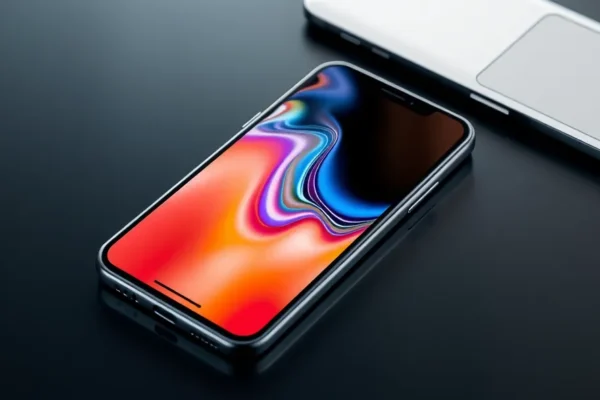
The new iPhone form factor is here, and with it comes a fresh take on Apple’s design language, often referred to as “Liquid Glass.” While the idea of a phone that feels like liquid glass sounds futuristic, it’s natural to be a little skeptical. Does this new design actually make your phone easier and more enjoyable to use, or is it just for looks? Let’s dive in and see what this iPhone redesign means for you.
A Smoother, More Seamless iPhone Experience
At its core, the “Liquid Glass” design language on the latest iPhones is all about creating a more unified and fluid feel. Think of it like a perfectly poured glass of water – smooth, uninterrupted, and almost flowing. For you, this translates to a device that feels more comfortable in your hand and looks more polished. It aims to blend the glass display seamlessly into the phone’s edges, making the whole device feel like a single, continuous piece of polished material. This isn’t just about aesthetics; it’s about how the phone feels when you’re holding it, swiping across the screen, or just admiring it on your desk.
What It Looks Like and How You’ll Use It
Imagine holding your current phone. Now, picture that the glass screen doesn’t just stop abruptly at the sides, but gently curves or blends into the frame with no discernible lip or edge. That’s the essence of this Liquid Glass approach. It makes the phone feel more ergonomic, like it’s molded to fit your palm. The user interface also benefits, as screen interactions feel more direct. Swiping from the edge of the display feels more natural, almost like you’re touching the actual content without any barriers.
- Everyday Scrolling: When you’re browsing social media or reading articles, the smooth transition from screen to frame means your thumb glides effortlessly across the display and around the edges, making long scrolling sessions feel less fatiguing.
- Taking Photos: Holding the phone horizontally to take pictures or videos feels more secure and natural. The edges are less likely to dig into your fingers, and the overall grip feels more substantial, giving you more confidence when capturing those important moments.
- Gaming or Watching Videos: For entertainment, that seamless feel makes a big difference. When you’re immersed in a game or watching a movie, the uninterrupted glass surface draws you in, and the comfortable grip ensures you can hold it for longer without discomfort. It feels less like holding a separate screen and frame and more like holding a single, beautiful object.
Who Will Love This New iPhone Design
This evolution in Apple design is primarily for those who appreciate a premium feel and a seamless user experience. If you’re someone who values the aesthetics of your tech as much as its functionality, you’ll likely be drawn to the Liquid Glass approach. It appeals to:
- Design Enthusiasts: People who appreciate minimalist, elegant design and smooth, flowing lines will find this iPhone redesign very appealing.
- Comfort Seekers: If you often find phone edges uncomfortable or slippery, the more integrated feel of Liquid Glass offers a tangible improvement in handling.
- Everyday Users: Even if you’re not a tech aficionado, the subtle enhancements in how the phone feels in your hand will make daily interactions more pleasant.
However, if you prioritize ruggedness above all else or are prone to dropping your phone frequently, you might want to consider robust cases, as any glass surface, no matter how well integrated, can still be susceptible to damage.
Where This iPhone Stacks Up Against the Competition
Apple’s Liquid Glass design is part of its ongoing pursuit of refined smartphone aesthetics, often seen as a direct response to trends set by other manufacturers. Competitors like Samsung have long experimented with curved displays that blend into the frame, aiming for a similar edge-to-edge feel. Where Apple’s approach often stands out is in its execution – a generally more subtle curve or integration that avoids some of the accidental touches that can plague more aggressively curved screens.
In terms of price, Apple typically positions its iPhones at the premium end of the market. While this new form factor contributes to that premium feel, it doesn’t necessarily mean it’s significantly more expensive than other flagship smartphones with similar high-end materials and build quality. The value proposition here lies in the integrated experience – the hardware design working in harmony with the user interface and Apple’s ecosystem. If you’re already invested in Apple’s world, the seamlessness is often worth the slightly higher cost compared to some Android alternatives which might offer more customization or a different set of features at a comparable price point.
Getting Started: Setup and Learning Curve
One of the biggest strengths of any iPhone, including those with the Liquid Glass design, is its straightforward setup. You can typically get a new iPhone up and running in minutes. If you’re upgrading from an older iPhone, Apple’s Quick Start feature makes transferring your data incredibly simple – often just by holding your old phone near the new one. The user interface itself is highly intuitive; most functions are easily discoverable, and the learning curve is virtually non-existent for basic use. The new form factor doesn’t introduce new gestures or complex controls; it simply enhances the existing ones by making them feel more natural. For most users, it’s a plug-and-play experience right out of the box.
Real-World Pros of the Liquid Glass iPhone
The new iPhone form factor, with its Liquid Glass design language, offers several tangible benefits that enhance your daily experience:
- Superior Hand Feel: This is the most immediate benefit. The phone feels smoother and more comfortable to hold for extended periods, reducing hand fatigue. It’s a noticeable upgrade from phones with sharper edges.
- Enhanced Durability (Surface Level): While not shatterproof, the seamless integration of glass and frame can sometimes lead to slightly better resilience against minor bumps and drops on the edges, as there’s less of a distinct edge to catch or chip.
- Premium Aesthetic: The phone simply looks and feels more sophisticated and modern. The clean lines and uninterrupted surface create a visually appealing device that feels high-end.
- More Immersive Display Interaction: Swiping in from the edges of the screen feels more fluid, making gestures like going back in apps or accessing widgets a more natural extension of your touch.
- Reduced Accidental Touches: Compared to some very aggressively curved displays on competitor phones, Apple’s more subtle integration tends to result in fewer unwanted screen activations when holding the phone.
Real-World Cons and Limitations
Despite the advancements, there are a few drawbacks to consider with the Liquid Glass design:
- Still Glass: It’s crucial to remember that “Liquid Glass” is still glass. While the design may offer marginal edge protection, it’s not immune to cracks or scratches from significant drops. A protective case is still highly recommended for peace of mind.
- Slipperiness: The smooth, polished nature of the design can make the phone a bit slippery, especially in certain conditions like sweaty hands or when placed on smooth surfaces.
- Fingerprint Magnet: Like most glass surfaces, the Liquid Glass design can be prone to picking up fingerprints and smudges, requiring frequent wiping to keep it looking pristine.
- Repair Costs: If the glass does break, screen repair costs for iPhones, especially with their advanced displays, can be quite high. The seamless design might not drastically change this compared to previous generations.
Price, Value, and Is It Worth the Upgrade?
The latest iPhones featuring this Liquid Glass design language typically start at premium price points, often ranging from $799 to $1,099 or more, depending on storage capacity and model. This positions them as a significant investment.
Is it worth it? For many, the enhanced feel, improved ergonomics, and premium aesthetics justify the cost, especially if you’re looking for the latest and greatest from Apple. The value is in the holistic experience: a device that looks and feels exceptional, performs reliably, and integrates seamlessly with Apple’s services. If you’re already in the Apple ecosystem, the upgrade offers a refined continuation of that experience.
However, if your budget is tighter, or if you don’t place a high premium on the latest design trends, older iPhone models or high-end Android smartphones can offer excellent performance and features at a lower price. The core functionality of a smartphone – calling, texting, browsing, and using apps – is well within reach of more affordable devices. Keep an eye out for deals on previous generations, which often offer substantial savings while still providing a fantastic user experience.
The Verdict: Who Should Buy This iPhone?
The new iPhone form factor and its Liquid Glass design language are a clear step forward for those who appreciate a polished, comfortable, and aesthetically pleasing device. It elevates the everyday interaction with your smartphone.
- Buy This If: You’re an existing iPhone user looking for a tangible upgrade in comfort and premium feel, you value elegant design, and you’re willing to invest in a top-tier smartphone experience. It’s also a strong contender if you’re new to the iPhone and want the absolute latest in Apple’s hardware and software integration.
- Consider Waiting or Skipping If: Your budget is a primary concern, you’re not overly picky about the feel of your phone, or you prioritize extreme durability and are hard on your devices without a case. If you’re perfectly happy with your current smartphone and its features, there’s no urgent need to upgrade solely for this design change.
Ultimately, this iPhone redesign is about refining an already excellent product. It’s an evolution rather than a revolution, focusing on making the daily use of your iPhone even more enjoyable and sophisticated.
Common Questions About the New iPhone Form Factor
Is the Liquid Glass design more durable?
While the seamless integration feels more robust and can offer slightly better edge protection, it is still made of glass. Significant drops can still lead to damage, so a protective case is still recommended for most users.
Does the Liquid Glass design change how the screen feels?
Yes, it makes the screen feel more integrated with the phone’s body. Swiping from the edges feels smoother, and the overall phone feels more comfortable and less harsh in the hand.
How does this iPhone form factor compare to curved screens on other phones?
Apple’s approach is generally more subtle than some other brands’ aggressively curved displays. This often leads to fewer accidental touches and a more consistent user interface experience.
What are the main advantages for everyday use?
The primary advantages are improved comfort in hand, a more premium feel, and a more fluid interaction with the touchscreen, especially when using edge gestures.
Will I need a special case for this new iPhone design?
While you might not need a “special” case, the design might influence case choice. Cases designed to complement the seamless edges will offer the best aesthetic and functional match. However, most standard cases designed for the specific iPhone model will fit.
Is the Liquid Glass design difficult to keep clean?
Like most glossy glass surfaces on smartphones, it can attract fingerprints and smudges. Regular wiping with a microfiber cloth is usually sufficient to keep it looking clean.
Product prices and availability vary by region. Verify current pricing before purchase.