

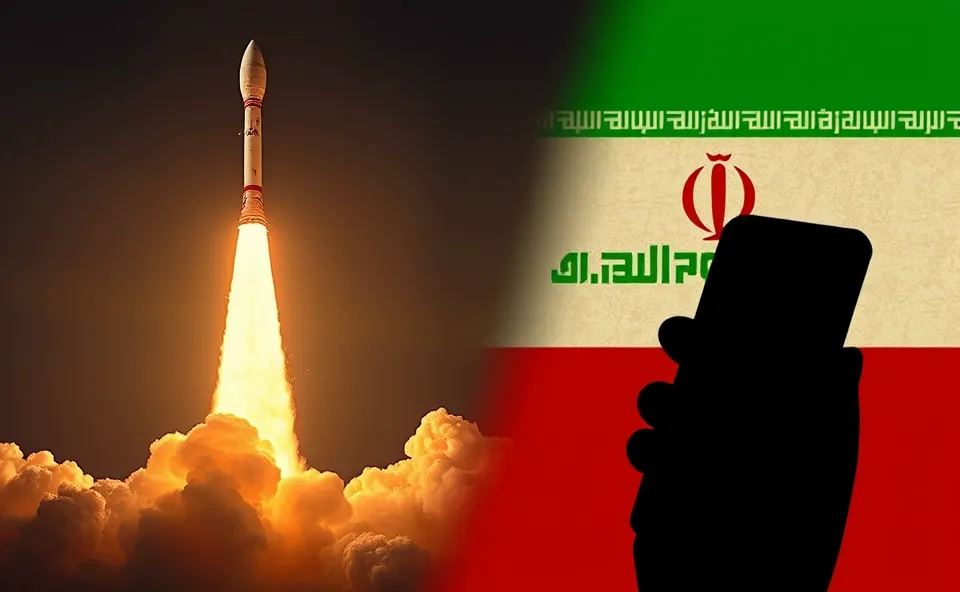
It’s a curious puzzle: the United States, a global leader in technology, seems to hit a wall when it comes to reliably enabling internet access in Iran. We’ve all seen the headlines and heard the talk about connectivity and its power. But why is this particular challenge so persistent? Journalist Jason Rezaian has shed light on this complex issue, offering insights that go beyond simple technical fixes. Let’s dive into what’s really going on with Iran internet access and US technology.
Why Getting Online in Iran is a Tough Nut to Crack
Imagine wanting to share your thoughts, connect with family, or learn something new online, but facing constant roadblocks. That’s the reality for many in Iran. Rezaian points out that despite America’s incredible technological know-how, facilitating widespread and consistent internet access in Iran isn’t just about sending over servers or bandwidth. It’s a deeply tangled web of political, economic, and social factors. Simply put, the Iranian regime has significant control over the digital infrastructure, and its priorities don’t always align with open internet freedom for its citizens. This creates a situation where even the best intentions from outside powers can be undermined.
What’s Sparking This Conversation Now?
The current buzz around Iran internet access and US technology isn’t random. It’s often amplified during times of heightened political tension or when significant social movements are brewing within Iran. Whenever there’s a call for greater transparency, a push for human rights, or a desire for unfiltered information, the role of the internet becomes a central topic. Discussions about US policy and how it impacts the digital divide in Iran naturally surface. People are searching for answers because they see the immense potential of connectivity for social change and are frustrated by the obstacles that prevent it, especially when advanced US technology is theoretically available.
A Look Back: The Long Road to Connectivity
To truly grasp the current situation, we need a little history. For decades, the relationship between the US and Iran has been complicated. This history of political and economic strain has had a direct impact on technology flows. When sanctions are in place, they don’t just affect oil or trade; they can also restrict the export of certain technologies, even those that could theoretically empower citizens. Furthermore, the Iranian regime has actively invested in its own domestic internet infrastructure, often with the goal of monitoring and controlling online activity. This creates a dual challenge for external efforts: navigating both government controls and the existing, often filtered, national network. The concept of internet freedom has been a point of contention, with different visions for its role and purpose.
The Ripple Effect: More Than Just Browsing
The impact of limited Iran internet access is profound and far-reaching. For ordinary Iranians, it means a constant struggle to access information, connect with the outside world, and participate fully in global conversations. It creates a significant digital divide, isolating them from opportunities that many of us take for granted. Businesses, especially small ones, find it harder to innovate and reach new markets. For the technology sector, it highlights the gap between developing advanced tools and successfully deploying them in complex geopolitical environments. Most importantly, connectivity is a powerful catalyst for social change. When people can share information freely, organize, and express themselves, it can lead to incredible shifts in societal dynamics. The push for human rights often finds a voice online, making internet access a critical component of a more open society.
Looking Ahead: What’s Next for Iran’s Digital Landscape?
Predicting the future is tricky, but we can see a few potential paths. One possibility is continued tension, where the Iranian regime tightens controls and US efforts remain largely symbolic or focused on back-channel support. Another, more hopeful, outlook involves a gradual shift. This could be driven by internal demand from Iranians for greater connectivity and internet freedom, or perhaps a change in geopolitical winds that eases some of the restrictions. We might also see more innovative approaches to tech diplomacy, where the focus is less on direct infrastructure provision and more on supporting localized solutions and digital literacy. The role of international organizations and the persistent efforts of individuals advocating for human rights will undoubtedly play a part. Ultimately, the future of Iran internet access will likely be shaped by a complex interplay of these forces, with US technology playing a role, but not as the sole determinant.
Frequently Asked Questions
What are the main challenges for Iran internet access?
The primary hurdles for Iran internet access include government control over infrastructure, international sanctions that limit technology exports, and the desire of the Iranian regime to monitor and filter online content, which contrasts with the goals of promoting internet freedom.
How does US technology relate to Iran internet access issues?
US technology is incredibly advanced, but its effective deployment in Iran is hampered by political relations and sanctions. The challenge lies in finding ways for US technology to empower Iranians without falling under the control of the regime or violating international regulations, impacting the digital divide.
Can the US simply provide better internet to Iran?
Unfortunately, it’s not that simple. While US technology is capable, enabling consistent and open Iran internet access requires navigating complex political landscapes, overcoming the Iranian regime’s censorship apparatus, and finding solutions that respect human rights and promote social change.
What is the role of the Iranian regime in internet access?
The Iranian regime plays a significant role by controlling the national internet infrastructure, implementing filters, and monitoring online activity. Their policies directly influence the extent of internet freedom and the overall quality of Iran internet access.
How does better connectivity impact society in Iran?
Improved connectivity can lead to significant social change in Iran by facilitating the free flow of information, enabling greater citizen participation, supporting economic opportunities, and empowering individuals to advocate for human rights. It helps bridge the digital divide and fosters a more open society.











