Understanding Political Stability and Economic Markets
In the world of finance, we often talk about numbers, investments, and economic indicators. But there’s a crucial, sometimes overlooked, factor that profoundly influences these elements: political stability. Think of political stability as the reliable foundation of a house. If the foundation is shaky, the entire structure is at risk. Similarly, when a country’s political landscape is uncertain, it can create ripples that affect everything from business confidence to the value of your savings.
This concept is vital because it directly impacts the economic climate. Investors, both large institutions and individuals, prefer environments where rules are clear, policies are predictable, and leadership is stable. Uncertainty can lead to hesitation, which slows down economic activity. For example, if a country is facing significant political turmoil, businesses might postpone investments, job creation could slow, and consumer spending might decrease as people become more cautious about the future. Understanding this link helps us appreciate why events like elections, especially historically significant ones, are closely watched not just by citizens but by the global financial community.
How Political Events Shape Economic Behavior
Let’s break down how political events, particularly those involving elections and significant national events, influence economic markets. Imagine a company deciding where to build a new factory. They’ll look at many factors, including labor costs, access to resources, and government regulations. But they’ll also heavily consider the political climate. A stable government with predictable policies makes the decision easier and less risky. Conversely, a country embroiled in political disputes or facing an uncertain election outcome might seem too risky for such a significant investment.
Consider this scenario: A country is approaching a historic election. There’s a lot of public debate and protest regarding past government decisions, particularly concerning national security. For instance, if there’s public demand for a political inquiry into specific security failures that led to a major conflict like the Gaza war, this indicates a deep level of public scrutiny on leadership. Such scrutiny can create uncertainty. Investors might wonder if a new government will change foreign policy, economic strategies, or trade agreements. This uncertainty can cause stock markets to become more volatile. Prices might fluctuate more wildly as traders react to news and speculation.
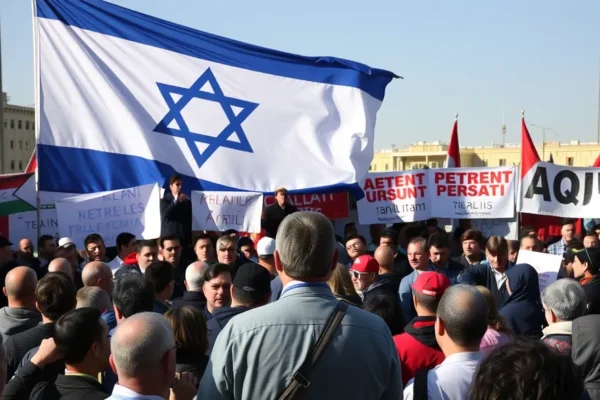
A real-world parallel might be seeing a group of citizens holding an opposition rally to voice their concerns. This action, while democratic, signals potential shifts in public sentiment and future political direction. If prominent opposition figures, like former military leaders such as Gadi Eisenkot, are calling for accountability regarding the events surrounding a Hamas attack and subsequent security failures, it highlights deep-seated issues that could lead to policy changes. These potential changes are what economic actors monitor closely. For instance, market analysts might revise their forecasts for currency exchange rates or interest rates based on the perceived likelihood of different election outcomes and their economic implications.
Why Political Dynamics Matter for Your Finances
Even if you’re not directly involved in politics, understanding the link between political events and economic stability is crucial for your personal financial well-being. When political uncertainty rises, it can affect inflation. Inflation is the rate at which the general level of prices for goods and services is rising, and subsequently, purchasing power is falling. If businesses are hesitant to invest due to political risks, supply chains can be disrupted, leading to higher prices for consumers.
Furthermore, your investments, whether in stocks, bonds, or even your retirement fund, are sensitive to the economic climate. A stable political environment generally supports a more predictable and potentially growing market. Conversely, significant political unrest can lead to market downturns, impacting the value of your savings and investments. For example, if an Israeli election cycle is marked by intense debate over national security and past failures, leading to public protests and opposition rallies, this can create an environment of unease. This unease can translate into currency fluctuations or impact investor confidence in regional markets, which could indirectly affect international markets and, by extension, global investment portfolios.
In terms of who benefits and who is affected, stable political systems tend to foster environments where businesses can thrive, creating jobs and opportunities, which benefits a broad range of people. Conversely, prolonged political instability can lead to capital flight (money leaving the country) and economic stagnation, negatively impacting job markets and the average citizen’s purchasing power.
The Evolution of Political Stability in Economic Thought
The recognition that political factors influence economic outcomes is not new. Ancient philosophers debated the role of governance in societal prosperity. However, modern economics has increasingly formalized this relationship. The concept of “country risk,” which includes political risk, became a significant consideration for international businesses and investors in the 20th century, especially after periods of geopolitical upheaval.
In recent years, the rise of social media and instant global communication has amplified the impact of political events. News of protests, election results, or significant policy debates can spread rapidly, influencing market sentiment almost instantaneously. For instance, the ongoing discussions and public demands for accountability following events like the Hamas attack and the subsequent Gaza war, especially in the context of an upcoming Israeli election, are a prime example of how deeply intertwined security concerns and political leadership are, and how this can create a focal point for public and economic attention. Data from organizations like the World Bank often highlights governance and institutional strength as key drivers of economic development and stability.
Navigating Financial Decisions Amidst Political Shifts
When you see news about political rallies, upcoming elections, or investigations into government actions, it’s a signal to pay attention to how these events might influence the broader economic landscape. It’s not about predicting specific market movements, but about understanding the potential for increased volatility or shifts in economic policy.
A common misconception is that political events only affect long-term strategies. However, short-term fluctuations in currency values, stock prices, or commodity prices can occur rapidly in response to political news. For example, if an Israeli election is perceived as potentially leading to significant policy changes, or if there’s a strong public demand for a political inquiry into security failures, markets might react before any official changes are implemented.
One actionable insight is to maintain a diversified investment portfolio. Diversification means spreading your investments across different asset classes (like stocks, bonds, real estate) and geographic regions. This helps mitigate the risk that a downturn in one specific market, perhaps triggered by political events in a particular country, will severely impact your entire financial picture. Another insight is to stay informed from reputable sources about the general political and economic climate, not just to understand immediate news but to grasp underlying trends.
Connections to Broader Economic Concepts
Understanding political stability is closely linked to several other core financial and economic concepts. For example, it directly impacts investor confidence, which is the optimism or pessimism of investors about the future performance of a market or an economy. Higher investor confidence generally leads to more investment and economic growth. Conversely, low confidence can lead to reduced investment and economic slowdown.
This topic also relates to fiscal policy (government spending and taxation) and monetary policy (central bank actions related to interest rates and money supply). Governments facing political pressure or seeking to address the consequences of events like the Gaza war might adjust fiscal policies, which in turn can affect inflation and employment. Similarly, a central bank’s decisions on interest rates can be influenced by the perceived economic stability, which is, in part, a reflection of political conditions. Understanding political inquiry processes and their potential outcomes can help illuminate how governments respond to crises, thus shaping future economic policies.
Frequently Asked Questions About Political Stability and Your Money
How does the outcome of an Israeli election affect global markets?
The outcome of a significant Israeli election can influence global markets through various channels, including regional stability, trade relations, and investor sentiment. Markets might react to perceived changes in economic policy or foreign relations that could affect international business.
What is the economic impact of a political inquiry into security failures?
A political inquiry into security failures can have economic implications by potentially leading to policy reforms, changes in government spending (e.g., on defense or intelligence), or shifts in public trust, all of which can influence market confidence and economic activity.
Can opposition rallies influence economic decisions?
Yes, widespread opposition rallies can signal public discontent and potentially lead to political shifts or policy reconsiderations. This uncertainty about future government actions can influence business investment decisions and market volatility.
How does the Gaza war connect to economic stability?
Conflicts like the Gaza war can impact economic stability through disruptions to trade, increased geopolitical risk premiums (making borrowing more expensive), humanitarian aid costs, and potential shifts in energy prices, affecting regional and global economies.
What is the role of figures like Gadi Eisenkot in influencing public and economic perception?
Prominent figures such as Gadi Eisenkot, especially those with backgrounds in security, can significantly shape public opinion and policy debates concerning national security and governance. Their statements and calls for accountability can influence investor confidence and the perceived stability of the political landscape.
Is it risky to invest during a period leading up to a historic election?
Investing during a historic election can involve higher risk due to increased uncertainty about future policies and leadership. However, it can also present opportunities. A diversified approach and careful research are generally recommended.
This information is for educational purposes only and does not constitute financial advice. Financial situations are unique and complex; consult with a qualified financial professional before making any investment or financial decisions. Outcomes in financial markets and economies can vary significantly based on individual circumstances, economic conditions, and unforeseen events.