

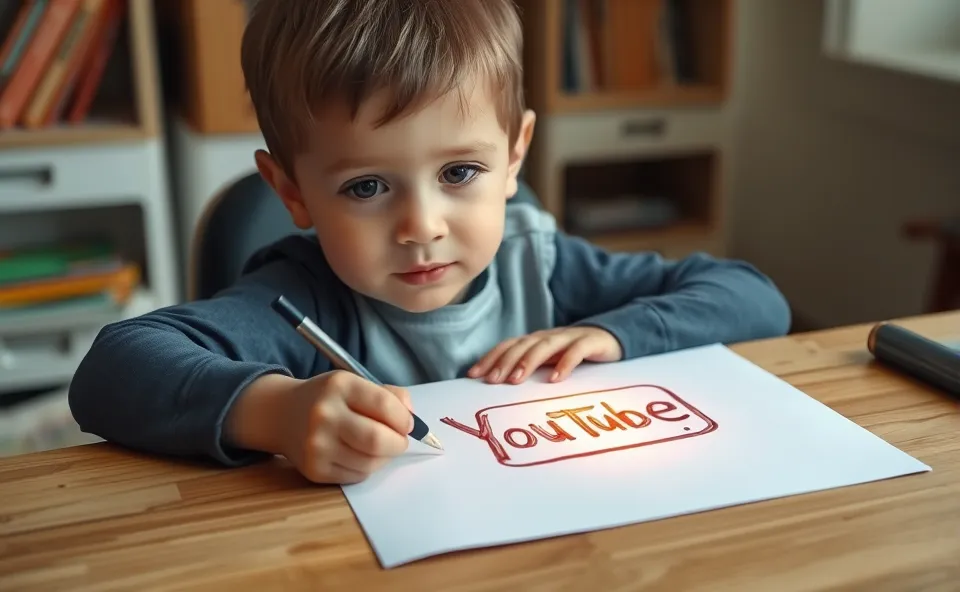
The New Dream Job for the Next Generation
For decades, the answer to the question what do you want to be when you grow up was predictable. You would hear things like doctor, astronaut, teacher, or firefighter. These roles represented stability, respect, and a clear path to success. However, if you listen to children today, those answers have changed completely. Now, a huge number of kids want to be a social media influencer.
This shift is not just a passing phase or a silly whim. It is a fundamental change in how the younger generation views work and success. Instead of seeking a degree or a specialized certification, many children now aim for a high follower count and viral videos. They see the world through a lens of views, likes, and shares. This change in career aspirations shows that the definition of a successful life is being rewritten in real time.
What does this actually look like in a typical household? It looks like kids spending their free time studying the algorithms of TikTok or YouTube. It looks like them practicing their on camera presence and learning how to edit short clips. They are not just consuming content. They are studying the mechanics of fame. They see people who look like them earning millions of dollars by sharing their hobbies or their daily lives, and they want a piece of that action.
Why the Digital Spotlight is So Attractive
You might wonder why a child would prefer a screen over a stethoscope. The reason is simple. The barrier to entry is incredibly low. To become a doctor, you need a decade of schooling and an immense amount of money. To start a career in content creation, you only need a smartphone and an internet connection. This accessibility makes the dream feel achievable for everyone, regardless of their background.
Beyond the ease of starting, there is the allure of viral success. In the old world, becoming famous required a gatekeeper. You needed a talent agent, a movie studio, or a record label to give you a chance. Now, the audience is the gatekeeper. A single video can catapult a person from total obscurity to global fame overnight. This lottery like quality is addictive and exciting for young minds.
Then there is the financial aspect. Kids are observant. They see the luxury cars, the giant houses, and the expensive clothes that top creators flaunt online. They recognize that influencer marketing has created a new class of millionaires who do not seem to follow the traditional rules of labor. The idea of getting paid to play games, review toys, or travel the world is far more appealing than the idea of sitting in a cubicle for forty years.
How We Got to This Point
To understand this trend, we have to look at the evolution of youth culture. We have moved from the era of the distant celebrity to the era of the relatable creator. In the past, stars were mysterious figures living in Hollywood hills. Today, the stars are people who film videos in their bedrooms. This creates a psychological bridge. Children feel that these creators are their peers, which makes the goal of becoming one feel realistic.
The rise of the digital economy also played a massive role. We have transitioned from a production based economy to an attention based economy. In this new system, attention is the most valuable currency. Once you have a million people watching you, the money follows through sponsorships, ad revenue, and merchandise. The market has shifted to reward personality and engagement over traditional credentials.
We also cannot ignore the role of the platforms themselves. Apps are designed to keep users engaged through a constant stream of dopamine hits. When a child sees a creator getting thousands of likes, they associate that validation with happiness and success. Over time, this shapes their professional ambition. They start to view social media not just as a place to hang out, but as a marketplace where they can build a brand.
The Ripple Effect on Work and Education
This shift in focus is having a real impact on how we think about the future of work. When children prioritize fame over traditional skills, it changes their relationship with education. Some may see school as a hindrance or a waste of time if they believe they can make a fortune online. This puts a challenge on educators to make traditional learning feel relevant in a world of instant gratification.
However, it is not all negative. The drive to become a creator actually teaches several high value skills that are useful in any business. For example, a child trying to build a YouTube career is essentially learning:
- Digital marketing and audience growth
- Video editing and basic production
- Public speaking and storytelling
- Data analysis by studying channel analytics
- Brand management and networking
From a business perspective, this trend is fueling the growth of influencer marketing. Companies are moving their budgets away from traditional TV commercials and toward these creators. They know that Gen Z and Gen Alpha trust a creator they follow more than they trust a corporate advertisement. This means that even if a child does not become a superstar, the skills they pick up in the process are highly marketable in the modern economy.
Where Do We Go From Here
Looking ahead, we are likely to see a professionalization of these roles. Just as the early days of cinema were chaotic before the industry established standards, content creation is currently in its wild west phase. Eventually, we will see more formal structures. We might see specialized courses in creator management or degrees in digital influence that teach the ethics and business side of the industry.
There will also be a natural correction. As more people enter the field, the market will become saturated. The dream of easy fame will clash with the reality of intense competition. Many young people will realize that maintaining a public persona is an exhausting full time job that often leads to burnout. This realization might push some back toward traditional paths, but with a new set of digital skills in their pocket.
The most likely outcome is a hybrid model of work. Instead of choosing between being a professional or an influencer, the next generation will likely be both. We will see doctors who have a side channel educating the public or engineers who build their personal brands on LinkedIn. The digital economy will not replace traditional jobs, but it will change how every single professional presents themselves to the world.
Common Questions About New Career Trends
Is wanting to be a social media influencer a realistic goal?
For a very small percentage of people, yes. However, like acting or professional sports, the competition is extreme. While the tools are free, the path to significant income requires a mix of talent, hard work, and luck. It is a high risk, high reward path.
How are these career aspirations affecting school performance?
It varies. Some students become distracted by the desire for fame. Others become more motivated to learn technical skills like editing and graphic design. The key is finding a balance between digital ambition and foundational education.
What is the role of the digital economy in these trends?
The digital economy has created new ways to monetize attention. It allows individuals to act as their own media company. This removes the need for traditional employers and allows creators to earn money directly from brands and audiences.
Can content creation be considered a professional skill?
Absolutely. The ability to capture attention and communicate a message effectively is one of the most valuable skills in the modern business world. Even if someone does not become a full time creator, these skills are useful in marketing, PR, and sales.
Will traditional professions disappear because of this shift?
No. We will always need surgeons, pilots, and engineers. However, the way these professionals operate will change. They will likely use social media to build their reputation and reach a wider audience, blending traditional expertise with modern influence.











