

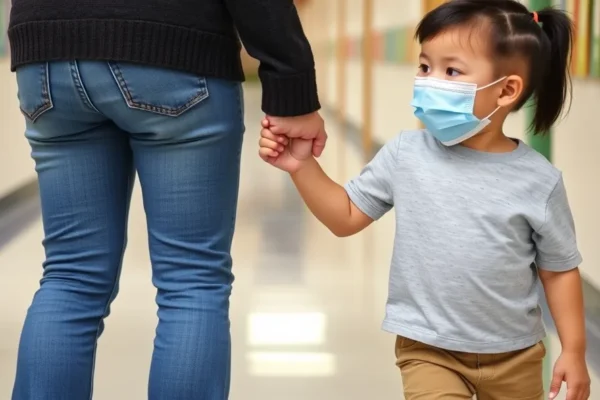
Understanding Measles Outbreaks and Protecting Immunocompromised Children at School
The recent resurgence of measles, a highly contagious and vaccine-preventable disease, presents a significant concern for parents, particularly those with immunocompromised children. Navigating public health risks and ensuring school safety requires informed decision-making, grounded in evidence and a clear understanding of how outbreaks spread and how to mitigate them. This article aims to provide a compassionate and practical guide for parents facing these challenges, focusing on assessing risks and understanding safety protocols.
The Public Health Challenge of Measles Resurgence
Measles is a serious illness that can lead to severe complications, including pneumonia, encephalitis (swelling of the brain), and even death. It spreads through the air when an infected person coughs or sneezes. One of the most critical aspects of measles is its contagiousness; an infected person can spread the virus to others for up to four days before and four days after the rash appears. This means individuals can unknowingly transmit the disease before they even know they are sick.
For children with weakened immune systems, such as those undergoing chemotherapy, with primary immunodeficiency disorders, or on certain medications, measles can be especially dangerous. Their bodies may not be able to fight off the infection effectively, leading to more severe illness and a higher risk of life-threatening complications. The rising number of measles outbreaks globally, driven in part by declining vaccination rates in some communities, amplifies the risk for these medically vulnerable children. Public health organizations like the World Health Organization (WHO) and the Centers for Disease Control and Prevention (CDC) have been increasingly vocal about the need to bolster vaccination efforts to prevent further outbreaks.
How Measles Spreads and the Role of Herd Immunity
Understanding how measles spreads is key to assessing public health risk. Measles is airborne, meaning it can linger in the air for up to two hours after an infected person leaves an area. This makes crowded indoor spaces, like schools, particularly high-risk environments during an outbreak.
The concept of “herd immunity” is crucial here. Herd immunity, also known as community immunity, occurs when a large enough percentage of a population is immune to a disease, making its spread unlikely. This protects not only those who are immune but also those who cannot be vaccinated for medical reasons or whose immune systems are too weak to respond effectively to vaccines. The measles vaccine is highly effective, and achieving and maintaining high vaccination coverage rates (typically 95% or higher) is essential for robust herd immunity. When vaccination rates drop below this threshold, outbreaks become more likely, and the protection afforded by herd immunity weakens, leaving vulnerable individuals at greater risk.
Assessing Risk for Your Child and School Safety Protocols
For parents of immunocompromised children, assessing the public health risk in their community and at their child’s school is paramount. This involves several steps:
- Stay Informed About Local Outbreaks: Monitor reports from your local health department and national health organizations (like the CDC in the United States or the European Centre for Disease Prevention and Control in Europe). These agencies provide data on reported cases and areas experiencing outbreaks.
- Understand Community Vaccination Rates: While specific data for every school might not be readily available, general vaccination coverage rates for your region can indicate the level of herd immunity. Lower rates suggest a higher risk.
- Communicate with Your Pediatrician: Your child’s doctor is your most valuable resource. They can provide personalized advice based on your child’s specific medical condition and immune status. Discuss the risks and benefits of attending school in person versus alternative learning arrangements.
- Review School Safety Protocols: Reach out to your child’s school administration and nurse’s office. Inquire about their specific infection prevention strategies, which should include:
- Vaccination Policies: What are the school’s requirements for student and staff vaccinations?
- Illness Exclusion Policies: How are sick students and staff handled? Are there clear guidelines for when they must stay home and when they can return?
- Cleaning and Ventilation: What measures are in place for routine cleaning of high-touch surfaces and ensuring adequate ventilation in classrooms?
- Communication During Outbreaks: How does the school communicate with parents and staff if a case of measles or another vaccine-preventable disease is identified within the school community?
- Isolation Procedures: Are there protocols for isolating students who become ill at school?
Navigating Back-to-School Decisions
The decision of whether it is safe for an immunocompromised child to attend school in person during a measles outbreak is complex. It requires a careful weighing of risks and benefits, often in close consultation with medical professionals.
- Consider the Severity of the Outbreak: Is it a single case, or are there widespread community transmissions?
- Assess Your Child’s Immune Status: Discuss with your doctor how well your child’s immune system can currently fight off infections.
- Evaluate School Mitigation Efforts: Are the school’s safety protocols robust and consistently enforced?
- Explore Alternative Learning Options: If in-person attendance poses too high a risk, consider remote learning options, homeschooling, or other educational arrangements that minimize exposure.
The goal is to create the safest possible environment for your child, balancing their educational and social needs with their health vulnerabilities.
The Importance of Vaccination for All
The most effective tool against measles outbreaks remains vaccination. The measles, mumps, and rubella (MMR) vaccine is safe and highly effective, providing long-lasting protection. Public health campaigns are continually working to increase vaccination rates, but challenges persist, including misinformation and access barriers. Supporting vaccination efforts in your community contributes to the collective protection of everyone, especially those most at risk.
Limitations and Ongoing Concerns
Despite the effectiveness of the measles vaccine, challenges remain. Some individuals cannot be vaccinated for medical reasons, and others may not develop full immunity even after vaccination. Furthermore, vaccine-preventable diseases can spread rapidly in settings with lower vaccination coverage. Public health officials constantly monitor these rates and work to address areas of concern. The ongoing nature of measles outbreaks underscores the need for sustained public health vigilance and community engagement in vaccination efforts.
Looking Ahead: Maintaining Protection
The sustained threat of measles outbreaks requires ongoing attention to public health infrastructure, robust surveillance systems, and continued efforts to ensure high vaccination coverage. For parents of immunocompromised children, staying informed, communicating with healthcare providers, and advocating for strong safety protocols in schools will remain critical. The collective effort to maintain high vaccination rates is the strongest defense against these resurgent diseases, safeguarding the health of our most vulnerable populations.
Frequently Asked Questions
Is my immunocompromised child at increased risk during measles outbreaks?
Yes, children with weakened immune systems are at a significantly higher risk of severe illness and complications from measles. Their bodies may struggle to fight off the infection effectively, making them more vulnerable.
What are the key school safety protocols to look for during measles outbreaks?
Essential protocols include clear vaccination policies for students and staff, strict exclusion policies for sick individuals, thorough cleaning and ventilation practices, and transparent communication plans for reporting and managing infectious disease cases.
How does herd immunity protect my immunocompromised child?
Herd immunity works by reducing the overall circulation of a disease. When a high percentage of the population is vaccinated and immune, it makes it difficult for measles to spread, thereby protecting those who cannot be vaccinated or don’t develop strong immunity from vaccines.
What should I do if my child’s school is experiencing a measles outbreak?
You should immediately consult with your child’s pediatrician for personalized medical advice. Simultaneously, communicate with the school administration to understand their specific outbreak response plan and consider implementing additional protective measures for your child, including potentially temporary removal from school.
How can I help improve public health risk assessment for measles outbreaks?
Staying informed about local outbreaks and vaccination rates from reputable public health sources, and supporting community vaccination initiatives are crucial steps. Openly discussing concerns and the importance of vaccination with your social circles can also contribute to a more informed public.
When can we expect measles outbreaks to be less of a concern?
Measles outbreaks will be less of a concern when global and local vaccination rates consistently reach and maintain the high levels required for effective herd immunity, as recommended by public health organizations like the WHO. This requires sustained effort and a commitment to vaccination across all communities.
This article provides general information and is not a substitute for professional medical advice. Parents of immunocompromised children should consult with their pediatrician or a qualified healthcare provider for guidance tailored to their child’s specific needs and health situation.











