

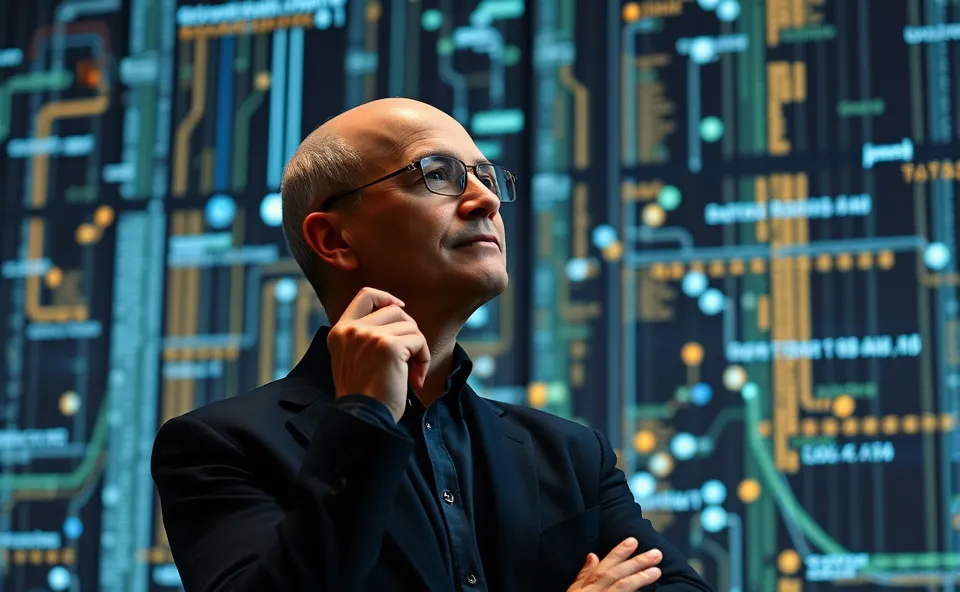
The race for AI is about more than just speed
Imagine you are in a high stakes race. Everyone is sprinting as fast as they can to reach a finish line. In the tech world, this is exactly what is happening with artificial intelligence. Companies are rushing to release the smartest, fastest, and most capable tools. But Satya Nadella, the CEO of Microsoft, is stepping back to tell everyone that speed might be the wrong goal.
His AI race warning is not about who has the most powerful computer or the best code. Instead, he is talking about something much more human: trust. Nadella suggests that if companies only focus on winning the technical race, they might lose the people. He believes that for AI to actually succeed, it needs social permission.
Social permission is a simple idea with a big impact. It means that society has to be okay with the technology being part of their daily lives. If people feel that AI is stealing their jobs or invading their privacy, they will push back. When that happens, it does not matter how advanced the software is. If the public does not trust the tool, they will not use it. This shift in thinking shows that Microsoft AI is now focusing on the emotional and ethical side of technology, not just the engineering side.
Why everyone is talking about this now
You might wonder why this warning is making headlines today. AI is no longer a futuristic concept we see in movies. It is already here. It is writing emails, creating art, and helping programmers write code. Because it has moved so quickly from the lab to our laptops, the real world is starting to feel the friction.
People are searching for answers because they are anxious. There is a growing fear about AI job impact. Many employees wonder if a bot will replace them by next year. At the same time, we are seeing AI make mistakes or share false information. This creates a gap between what the tech can do and what we are comfortable with.
When a leader like Satya Nadella speaks up about these fears, it signals a change in the industry. It is no longer enough to say that a tool is powerful. Now, the conversation is about whether the tool is safe and fair. People are paying attention because they want to know if the companies building these systems have a plan to protect human workers and personal privacy.
The road that led to this moment
To understand where we are, we have to look at how Microsoft shifted its entire strategy. For years, Microsoft was known for its office software and operating systems. While they were successful, they were not always seen as the boldest innovators in the new age of the web. That changed when they made a massive bet on OpenAI.
By integrating powerful AI into everything from Bing to Word, Microsoft jumped to the front of the line. They proved that AI could be a commercial product, not just a research project. However, this rapid growth brought them face totoe with the darker side of the technology. They saw how AI could be used to create deepfakes or spread misinformation.
This history is why the current focus on responsible AI is so important. Microsoft realized that being the first to market is a great advantage, but it also makes them a target for criticism. They are now in a position where they must lead not only in technology but also in AI ethics. They know that the legacy of the Microsoft future depends on whether they can balance profit with a sense of duty to the public.
What this means for our daily lives and business
The warning from Nadella has a direct impact on how businesses and users will interact with technology. It means we are moving away from the move fast and break things era. When you are dealing with something as powerful as AI, breaking things can mean ruining a career or compromising a person’s identity.
For business owners, this means they cannot just dump AI into their workflow to save money. If they replace their entire staff with bots without a plan, they risk destroying their company culture and losing the trust of their customers. The focus is shifting toward augmentation. This means using AI to make humans better at their jobs, rather than using AI to get rid of humans.
For the average user, this means we should see a greater emphasis on transparency. We need to know when we are talking to a bot and how our data is being used to train these systems. The concept of public trust AI is becoming a competitive advantage. In the future, the company that wins will not be the one with the smartest AI, but the one that makes users feel the safest.
Here are a few key areas where we will see this impact:
- Job Roles: A shift toward training people to manage AI rather than competing against it.
- Product Design: More clear labels and settings that give users control over their data.
- Corporate Governance: Companies creating internal boards to oversee the ethical use of AI.
- Customer Loyalty: Users choosing brands that prove they prioritize human safety over raw speed.
Looking ahead at the next chapter
So, where do we go from here? We are likely entering a period of calibration. The initial excitement of the AI boom is meeting the reality of human fear. This will lead to a more structured approach to how technology is released.
We can expect more technology regulation. Governments around the world are already discussing how to handle AI. Instead of fighting these rules, companies like Microsoft will likely help write them. This is because clear rules actually help businesses. It gives them a roadmap to follow so they do not accidentally cross a line that destroys their reputation.
The next few years will be a test of the social permission theory. We will see if AI can evolve into a helpful partner that people genuinely like. If the industry listens to the Satya Nadella warning, we will see AI tools that are designed with empathy and caution. The goal will be to create a world where technology supports human creativity instead of erasing it.
Common questions about the AI race
What is the main point of the AI race warning?
The main point is that technical success is not enough. For AI to be truly successful, companies must gain social permission by building public trust AI and addressing fears about jobs and ethics.
How is Microsoft AI approaching the issue of job loss?
Microsoft is focusing on responsible AI. This involves promoting the idea of AI as a co pilot that helps humans be more productive, rather than a replacement that takes over entire roles.
What does social permission mean in the context of AI ethics?
Social permission is the unspoken agreement from the public that a technology is acceptable to use. If people find AI creepy or dangerous, they withdraw this permission, which stops the technology from being adopted.
Why is Satya Nadella warning about the speed of AI development?
He warns that rushing to release features without considering the human impact can lead to a loss of trust. Once trust is lost, it is very hard to win back, which could hurt the long term growth of the industry.
Will technology regulation slow down the progress of AI?
While some think rules slow things down, others believe that smart technology regulation actually speeds up adoption. When people feel safe and protected by laws, they are more likely to use and invest in new tools.











