

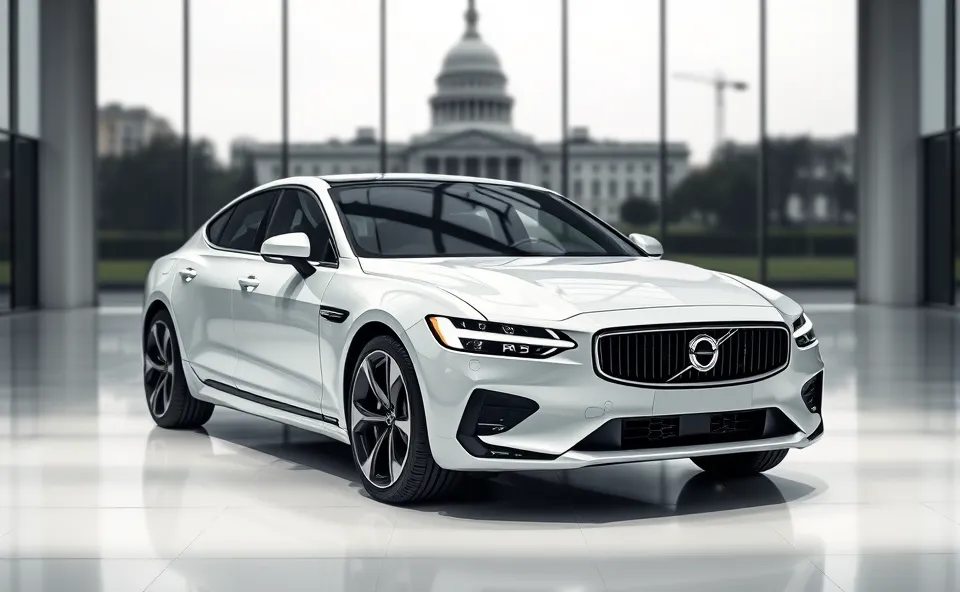
A tough road ahead for the Polestar electric car dealership model
If you have been keeping an eye on the electric vehicle market, you might have noticed some unsettling headlines regarding Polestar lately. It feels like just yesterday that the brand was positioned as the sleek, high-tech alternative to the status quo. Now, many Polestar dealerships across the United States are facing a sudden and complicated crisis. The issue is not about the cars themselves or a lack of consumer interest. Instead, it is a classic clash between modern global supply chains and strict new rules coming out of Washington.
To put it simply, the federal government is moving to restrict the use of certain Chinese-manufactured software and hardware in connected vehicles. Because Polestar is deeply linked to parent company Geely, which is based in China, their vehicles are getting caught in the crosshairs of these new regulations. This puts their US dealer partners in a really tight spot. These business owners invested millions into showrooms, service centers, and branding, only to find their inventory and future operations threatened by policies that aim to protect national security by curbing specific types of foreign technology.
Why this story is blowing up right now
People are searching for news about the Polestar US situation because it hits on a very sensitive nerve in today’s economy. We are currently living in an era where technology is inseparable from transportation. Our cars are essentially giant smartphones on wheels, constantly sending and receiving data. When the government signals that it wants to ban or heavily restrict Chinese tech in the automotive industry, it creates a massive ripple effect.
Investors and car buyers are rightfully worried. If you are a potential customer, you are likely wondering if you will still be able to get service for your car in two years. If you are an investor, you are questioning whether the brand can even operate effectively in the American market under these conditions. The uncertainty is the main driver here. Nobody likes to commit to a major purchase or a business partnership when the rulebook is being rewritten in real time.
How we got to this point
To understand the current tension, we have to look at the unique history of the brand. Polestar started as a performance-oriented division before spinning off into its own dedicated electric vehicle brand. It benefited from a global manufacturing footprint that allowed it to scale quickly. However, that global approach is now a liability under current federal government regulation.
For years, the automotive industry relied on complex, international supply chains to keep costs down and innovation high. But as tensions between major global powers have increased, the focus has shifted toward domestic security and data privacy. The government has expressed concerns that connected vehicle systems could potentially be used for surveillance or to compromise local infrastructure. Even if a specific car brand has no bad intentions, they are still subject to these sweeping import restrictions. This has turned the Polestar electric car dealership model from a visionary business plan into a logistical nightmare almost overnight.
What this means for the market and the drivers
The impact of these restrictions is hitting different groups in very different ways. For the dealers, this is a financial disaster. Many of these showrooms were designed with a specific premium experience in mind. If they cannot sell the latest models or if the brand is forced to strip out certain tech features to comply with local laws, the appeal of the vehicles drops significantly. Dealers are essentially sitting on assets that might become difficult to sell or support.
For the average user, the impact is a mix of confusion and frustration. If you currently own a Polestar, the news of these potential bans makes you worry about software updates and long term reliability. Technology is supposed to make our cars better, but in this case, the tech integrated into these vehicles has become a barrier to business. It is a harsh reminder that in the modern world, buying a car is just as much about geopolitics as it is about horsepower and battery range.
Here are a few ways this shift is changing the landscape:
- Supply Chain Shifts: Manufacturers are now forced to rethink where their software is coded and where their hardware is sourced, which slows down new model releases.
- Dealer Confidence: Investors are moving cautiously, leading to a freeze in the expansion of new luxury electric showrooms.
- Regulatory Compliance: Brands are spending massive amounts of money to ensure their systems meet federal standards, which inevitably increases the cost of the end product.
The path forward for the brand
So, where does the brand go from here? While it is impossible to predict the future with total certainty, the most logical path involves a major pivot. To survive in the US, Polestar has to find a way to decouple its technology stack from the regions currently under scrutiny. This is not an easy task. You cannot just swap out the computer systems in a car like you would replace a tire. It requires massive engineering efforts to build new, compliant systems from the ground up.
We might see a temporary slowdown in sales as the company pivots to localized manufacturing or altered software suites. For the dealerships, the hope is that the parent company provides enough financial support to bridge the gap. If the brand can prove to federal regulators that their systems are secure and independent, they might be able to normalize operations. If they cannot, we might see the brand retreat from the North American market to focus on regions with fewer import restrictions. The next twelve to eighteen months will be the deciding factor for their long term viability in the US.
Common questions about the Polestar situation
Is it still safe to buy a Polestar electric car dealership vehicle right now?
While the vehicles remain road-legal and functional, the regulatory environment is fluid. Potential buyers should consider the long term serviceability and warranty support in their specific region before making a decision.
How do federal government regulation policies affect my existing car?
Most existing vehicles will remain operational, but future software updates or connected features could be impacted if the government enforces strict bans on specific foreign software modules.
Why are import restrictions targeting electric vehicle market brands?
Modern electric vehicles rely heavily on data collection and connectivity. The government is concerned about the potential for this data to be accessed or misused by foreign entities, which has led to these tighter technology rules.
What happens to the dealer investment if a showroom closes?
When a Polestar electric car dealership closes, the investors are left to navigate complex contracts with the parent brand to recover lost capital. It is a high risk situation for anyone who backed the brand during its initial US expansion phase.
Will these Chinese tech ban rules change the way we buy cars in the future?
Yes, the automotive industry news cycle is increasingly focused on supply chain transparency. Expect future cars to be vetted more rigorously for where their components and software originate, which will likely raise prices across the board.











