

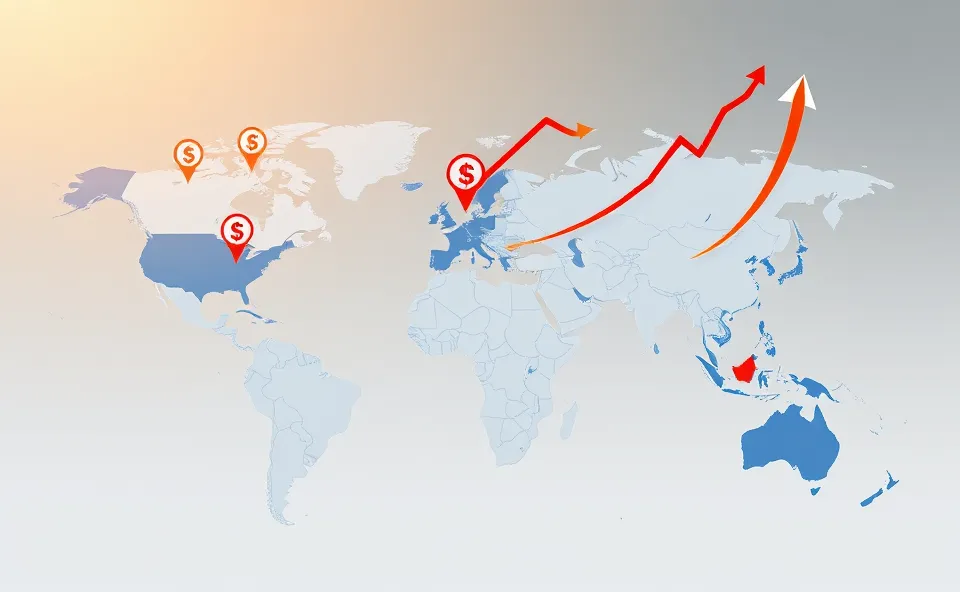
When Your Paycheck Doesn’t Stretch as Far
Ever feel like you’re working harder but your money just isn’t going as far as it used to? You’re not alone. Across many developed countries, a real worry is setting in: prices are climbing faster than our paychecks. This means that even if you get a pay increase, your actual ability to buy things, your purchasing power, is shrinking. It’s a frustrating situation that’s hitting folks hard.
Why Are We Talking About This Now?
The conversation around shrinking real wages is buzzing because so many people are feeling the pinch right now. Everyday expenses are going up, from groceries and gas to rent and utilities. When these costs rise significantly, and pay increases don’t keep pace, people start looking for answers. They’re searching for why their hard-earned money seems to be losing value and what’s behind this growing economic downturn. It’s a hot topic because it directly affects everyone’s financial well-being.
A Little History: The Path to Today’s Prices
To understand where we are, we need a quick look back. For a long time, in many developed countries, wage growth and inflation usually moved together somewhat predictably. If prices went up a bit, salaries tended to follow. This helped maintain people’s purchasing power. However, recent years have seen a shift. Global events, supply chain hiccups, and increased demand have all played a role in pushing prices upwards more aggressively. This has put wage growth in a tough spot, struggling to catch up.
The Ripple Effect: More Than Just Your Wallet
When real wages shrink, the impact is felt far and wide. For individuals, it means making tough choices about what they can and can’t afford. That vacation might be out, or maybe even those small treats that make life enjoyable. People start worrying about their savings and their future. This squeeze can lead to increased stress and a general sense of economic uncertainty, fueling recession fears. Businesses also feel it; if consumers have less money to spend, sales can drop, potentially leading to cutbacks or slower expansion. This economic crisis isn’t just about numbers on a spreadsheet it’s about people’s lives and livelihoods. Technology can play a role in offering more affordable options or efficiency tools, but the core issue is the disconnect between earning and spending power. For markets, it can signal a slowdown in consumer spending, which is a big driver of economic growth.
A Look Ahead: What’s Next for Our Paychecks?
Predicting the future is tricky, but we can look at trends. If inflation continues to outpace wage growth, the pressure on consumers will likely remain. Businesses might need to find creative ways to boost productivity to afford higher wages without passing too much cost onto consumers. Governments and central banks are watching these trends closely, as they can influence economic policies aimed at stabilizing prices and encouraging sustainable wage growth. The hope is that we’ll see a return to a balance where pay increases help people keep up with the cost of living. However, it’s also possible that we’ll see a period of continued belt tightening for many, potentially leading to an economic downturn if spending falls too sharply.
Frequently Asked Questions About Real Wages
What are real wages and why are they shrinking in developed countries?
Real wages are essentially your wages after accounting for inflation. They measure your actual purchasing power. In developed countries, they are shrinking because the prices of goods and services are rising faster than the pay increases people are receiving. This means your money buys less than it did before, even if your nominal pay has gone up.
How does the Strait of Hormuz crisis affect my cost of living and real wages?
The Strait of Hormuz is a critical chokepoint for global oil supplies. Any disruptions or tensions in this region can lead to a spike in oil prices. Since oil is used in so many things, from transportation to manufacturing, higher oil prices contribute to overall inflation. This increased inflation, in turn, can outpace wage growth, leading to shrinking real wages and a higher cost of living for everyone.
What are the signs of shrinking real wages impacting an economy?
Some signs include increased consumer debt as people borrow to cover expenses, a slowdown in retail sales, growing public concern about the economy, and a general feeling of financial strain among the population. You might also see businesses delaying expansion plans due to uncertain consumer demand. These are indicators of a potential economic downturn.
Can technology help combat the impact of shrinking real wages?
Technology can help in several ways. For example, online platforms can offer more competitive pricing for goods and services. New technologies can also increase efficiency in production, potentially lowering costs for businesses and consumers. Furthermore, digital tools can help individuals manage their budgets more effectively, although they don’t directly increase income or decrease the cost of living itself.
What can individuals do when facing shrinking real wages and rising inflation?
When real wages are shrinking, individuals often look for ways to adjust. This might include carefully reviewing their budget to identify areas where spending can be reduced, seeking opportunities for pay increases through skill development or new jobs, exploring side hustles to supplement income, or making more deliberate choices about discretionary spending. Understanding the broader economic trends, like the impact of events on inflation, can also help in making informed financial decisions.











