

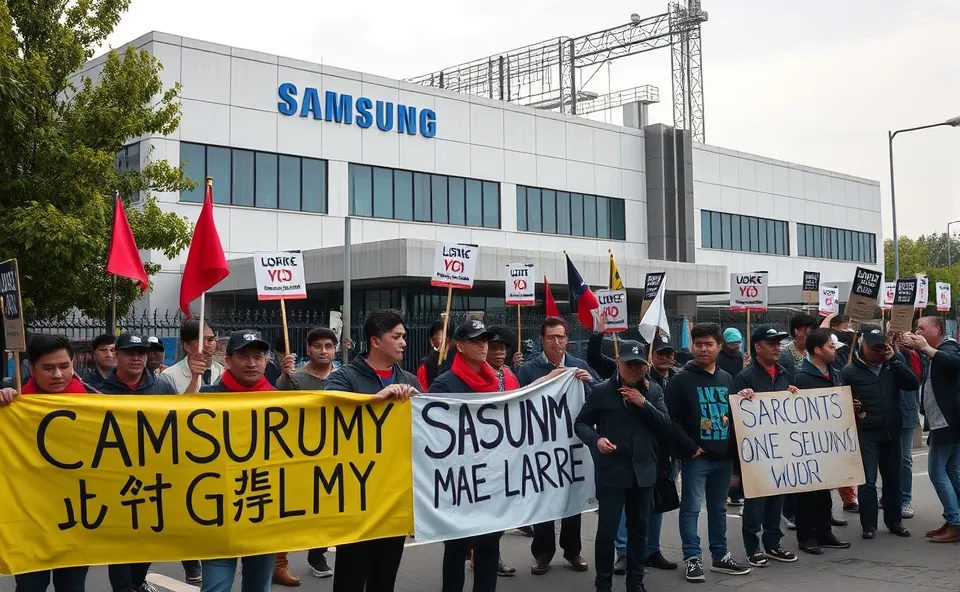
Samsung and Its Union Are Down to the Wire
Things are getting tense over at Samsung. You know, the giant tech company that makes everything from your phone to your TV? Well, they’re in a bit of a standoff with their own workers, represented by a labor union. They’re in these last ditch talks, trying hard to avoid a major strike. This isn’t just a small disagreement; it’s a big deal that could shake things up quite a bit.
Why the Buzz Around Samsung’s Labor Dispute Right Now
So, why are we all talking about this Samsung labor union situation right now? It’s because the clock is ticking. The negotiations have reached a critical point, and if they can’t find common ground, the union is ready to call for a strike action. This isn’t something that happens every day at a company like Samsung, so naturally, people are paying close attention to see how this labor dispute unfolds. It’s a real-time drama playing out in the business world, and everyone wants to know the outcome.
A Look Back at the Road to These Crucial Wage Talks
To really get why these wage talks are so important, we need to rewind a little. For a long time, Samsung, like many big tech firms, operated with a less unionized workforce. The idea was that they offered good benefits and pay, so a strong union presence wasn’t seen as essential by the company. However, over the years, workers’ voices have grown stronger, and the desire for collective bargaining became more apparent. The formation and strengthening of a unified labor union at Samsung Electronics marked a significant shift. This union represents a large chunk of the company’s workforce in South Korea, and they’ve been pushing for better working conditions and, crucially, better pay. Past negotiations haven’t always been smooth sailing, and this current situation is the culmination of ongoing discussions and differing perspectives on how workers should be compensated and treated within such a massive manufacturing powerhouse.
What This Samsung Negotiation Could Mean for Everyone
Imagine Samsung, a company whose products are everywhere, suddenly facing a major disruption. That’s the potential impact of a strike. For us as consumers, it could mean delays in getting our hands on the latest gadgets. Think new smartphones, cutting edge TVs, or even the components that go into other electronics. If production lines halt, supply chains get snarled, and that can lead to shortages and longer wait times.
For Samsung itself, a strike would be incredibly costly. Not just in terms of lost production and potential revenue, but also damage to its reputation. Investors would likely react negatively, and the company’s stock could take a hit. It also sends a signal to other large corporations about the growing power and determination of organized labor.
From a broader perspective, this situation highlights ongoing debates about workers’ rights in the tech industry. It’s a reminder that even in highly successful and innovative companies, the people who make the products are looking for fair compensation and recognition. A successful resolution, or even a prolonged dispute, can influence how other tech companies approach their own labor relations. It also has implications for the South Korean economy, where Samsung is a dominant player.
Looking Ahead: What Comes After the Final Talks
So, what happens next? The immediate future hinges entirely on these final negotiations. If Samsung and the labor union manage to hammer out a deal, we’ll likely see business as usual, with perhaps some concessions made by the company. This would mean relief for production schedules and market stability.
On the other hand, if talks break down completely, the union will likely proceed with a strike action. The scope and duration of such a strike are key questions. Would it be a short, sharp protest to force concessions, or a more prolonged industrial action? The impact would grow the longer it lasts. This could lead to significant production delays and financial strain on Samsung. The company would then have to decide how to manage operations, possibly bringing in temporary staff or reallocating resources, all while facing public scrutiny.
There’s also the possibility of mediated talks or further rounds of negotiation, especially if the initial strike action doesn’t bring about a swift resolution. The goal for both sides is to find a sustainable agreement that addresses the union’s demands without crippling the company’s competitiveness. It’s a delicate balancing act, and the path forward will be shaped by the choices made in these critical days.
Your Questions Answered About the Samsung Labor Dispute
What is the main issue in the Samsung labor union negotiations?
The core of the current conflict in the Samsung labor union discussions largely revolves around wage increases and other benefits for workers. The union is advocating for a higher pay scale and improved working conditions, while the company is balancing these demands against its business objectives and global market competitiveness. It’s a classic negotiation over compensation and the value placed on employee contributions.
Could a strike at Samsung affect the availability of smartphones?
Yes, a significant strike action at Samsung Electronics could definitely impact the availability of their popular products, including smartphones. Disruptions in manufacturing can lead to reduced output, which in turn can cause shortages and longer waiting times for consumers. This is a primary concern for both the company and its customers when a labor dispute escalates.
How has the relationship between Samsung and its labor union evolved?
The relationship has seen a notable evolution. Historically, Samsung was known for its resistance to strong unionization. However, over time, workers have organized more effectively, leading to the formation of a more cohesive labor union. This has shifted the dynamic, moving from a more paternalistic management style to one where collective bargaining and formal negotiations are becoming increasingly central to resolving workplace issues and advocating for workers’ rights.
What are the potential economic consequences of a Samsung strike in South Korea?
A strike at a company as large as Samsung, a major pillar of the South Korean economy, could have wide ranging economic consequences. Beyond the direct impact on Samsung’s profits and production, it could affect supply chains, lead to job uncertainties for related industries, and influence investor confidence in the country’s industrial sector. It also brings attention to the broader topic of industrial action and its role in a modern economy.
What options do Samsung and the labor union have if negotiations fail?
If the final negotiation efforts do not result in an agreement, the labor union is prepared to initiate a strike. Samsung, in turn, would need to consider various business continuity plans, which could include management stepping in, hiring temporary workers, or seeking legal recourse depending on the situation and local labor laws. The union also has the option to continue seeking dialogue or to escalate their industrial action to put further pressure on the company.











