

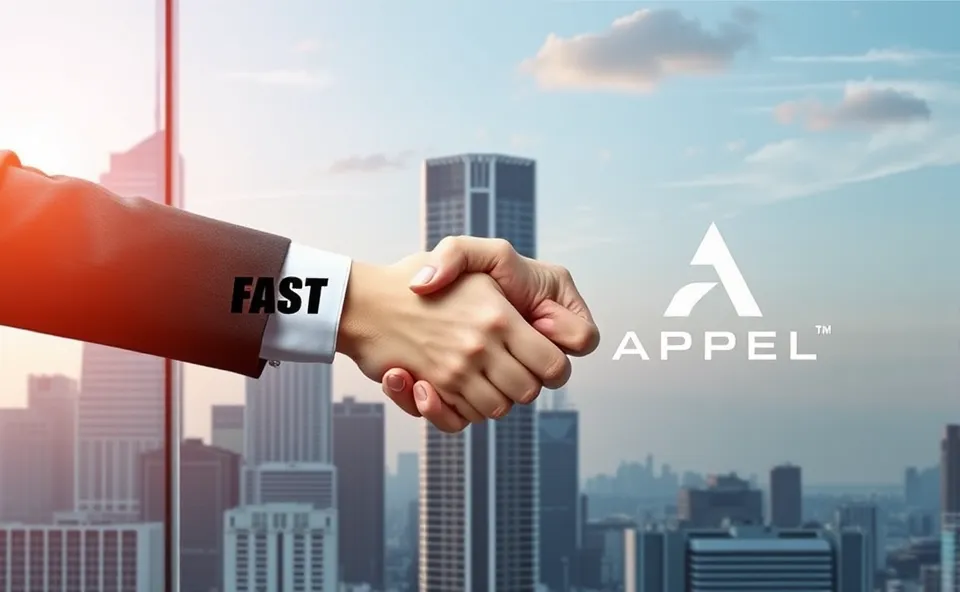
A New Chapter for Everlane: Shein Steps In
So, you’ve probably heard the buzz. In a move that’s shaking up the fashion industry, the massive online retailer Shein has officially acquired Everlane. We’re talking about a deal worth around $100 million. For those who follow retail and e-commerce, this is a pretty significant business deal. It’s not just about two companies joining forces; it’s about what this acquisition means for the landscape of fashion, especially in the world of online shopping.
Why the Sudden Interest in This Acquisition?
The timing of this Shein acquisition of Everlane has caught many by surprise, and that’s why it’s trending. For a while now, there have been whispers about Everlane’s financial situation. It seems the brand has been grappling with some serious debt. When a well-known company like Everlane hits rough financial patches, and a giant like Shein swoops in, it naturally sparks a lot of curiosity. People want to understand the ‘why’ behind such a big acquisition, especially given Everlane’s past reputation. This financial news has put both Shein and Everlane firmly in the spotlight.
Everlane’s Journey: From Ethical Darling to Debt Crisis
To really get why this acquisition is a big deal, we need to rewind a bit. Everlane started with a bang, positioning itself as the go-to brand for “radical transparency.” They promised high-quality, minimalist clothing at fair prices, openly sharing their factory information and cost breakdowns. This really resonated with consumers who were tired of the usual fashion markups and wanted to feel good about where their clothes came from. For a while, Everlane was the picture of ethical fashion success in the retail world.
However, the market is constantly changing. As more brands emerged, and the pressure to keep up with trends grew, Everlane found itself in a tough spot. The challenges of scaling an ethical brand, coupled with shifting consumer buying habits and increasing competition in the e-commerce space, started to weigh heavily. We began to see reports of financial struggles, and it became clear that the brand was facing a significant debt crisis. This is the backdrop against which Shein’s offer became a critical turning point for Everlane.
What This Means: A New Future for Fashion Brands
This acquisition has broad implications for the fashion industry and even for how consumers shop. For Everlane, it means a lifeline. The debt crisis was a serious threat to the brand’s survival, and Shein’s backing provides the financial stability and resources needed to continue. It’s possible we’ll see Everlane retain its brand identity, perhaps focusing more on its core strengths while benefiting from Shein’s vast operational capabilities and massive customer reach. Think of it as Everlane getting a fresh start under new ownership, but with a much bigger engine powering it.
From Shein’s perspective, this is a strategic move. Shein is already a dominant force in fast fashion, known for its incredibly efficient supply chain and massive product selection. Acquiring Everlane gives Shein access to a different customer segment – one that values a more minimalist aesthetic and has been drawn to Everlane’s past commitment to quality and ethics. It’s a way for Shein to diversify its offerings and potentially tap into a market that might have previously seen Shein as too “fast fashion.” This business deal shows Shein isn’t just about rapid trend cycles; it’s looking to broaden its appeal and consolidate its position in the global retail market.
For the broader fashion industry, this acquisition highlights the intense pressures and rapid shifts happening in retail. It underscores the challenges smaller, niche brands face in competing with the scale and financial muscle of giants like Shein. It also raises questions about the future of the “ethical fashion” movement. Can brands that started with strong ethical principles maintain them while integrating with companies that operate on a different model? It’s a complex question with no easy answers, but it’s definitely something to watch as this business deal unfolds.
Looking Ahead: What Comes Next for Shein and Everlane?
The immediate future will likely involve a period of integration. Shein will need to figure out how best to leverage Everlane’s brand and customer base without alienating its existing loyalists. We might see Everlane’s product lines evolve, perhaps with more curated collections or a renewed focus on core essentials. It’s also possible that Shein’s operational expertise will help Everlane streamline its production and logistics, potentially leading to more competitive pricing while still aiming for quality.
On the other hand, the acquisition could influence Shein’s own approach. Perhaps the success of Everlane’s minimalist aesthetic will encourage Shein to experiment with more diverse styles and brand positioning. This isn’t about Shein becoming Everlane, or vice versa. It’s about two different business models and brands finding a way to coexist and potentially thrive together. The market will be watching closely to see how this unfolds, especially in terms of product development and marketing strategies. The story of Shein and Everlane is far from over; in many ways, it’s just beginning a new chapter.
Frequently Asked Questions About the Shein Everlane Deal
- What is the main reason for Shein acquiring Everlane? The primary driver appears to be Everlane’s significant debt crisis, which made it vulnerable. Shein, a major player in e-commerce, saw an opportunity to acquire a brand with an established reputation and customer base, likely aiming to revitalize it and expand its market reach. This business deal offers a solution to Everlane’s financial woes.
- How will this acquisition affect Everlane’s brand identity and ethical stance? This is a key question. While Shein is known for fast fashion, Everlane built its reputation on transparency and quality. It remains to be seen how Everlane will navigate this. The hope is that Everlane can maintain its core values while benefiting from Shein’s resources, but the impact on its ethical positioning is a major point of interest in the fashion industry.
- What does the $100 million acquisition price tell us about Everlane’s value? The $100 million figure suggests that despite its debt crisis, Everlane still holds significant brand value and intellectual property that Shein found attractive. It’s a reflection of Everlane’s past success and its potential, rather than its current financial standing alone. This financial news highlights the complex valuation in the retail sector.
- How might this business deal impact the fast fashion market? Shein acquiring Everlane could signal a consolidation trend in the retail and fashion industry. It allows Shein to diversify its portfolio and potentially appeal to a broader audience. For other brands, it underscores the need for strong financial management and adaptability in the ever-evolving e-commerce landscape.
- What are the long-term implications of Shein’s acquisition strategy for the fashion industry? Shein’s aggressive acquisition strategy, including the deal with Everlane, suggests a move towards becoming a dominant retail conglomerate. It indicates a potential shift in how large e-commerce platforms grow, by acquiring established brands rather than solely relying on organic growth. This acquisition is a significant indicator of Shein’s ambition in the fashion industry.











